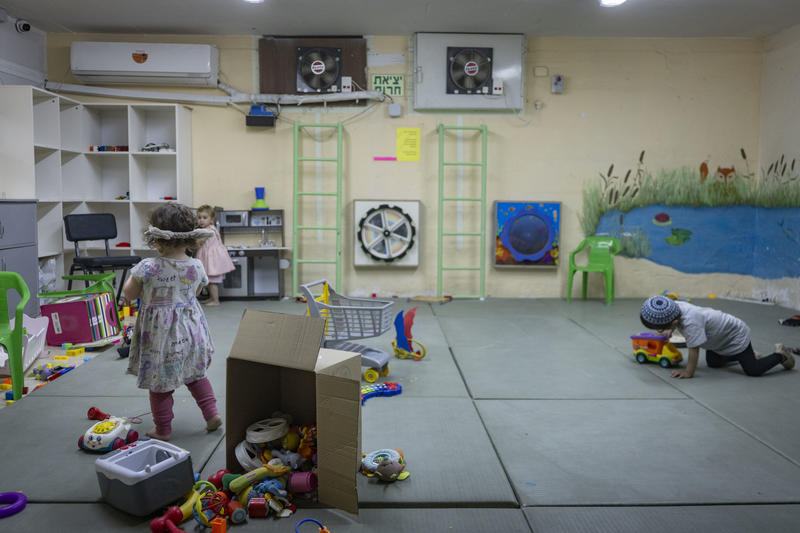
What’s happened: Home Front Command restrictions have been lifted nationwide, including schools that have reopened this morning.
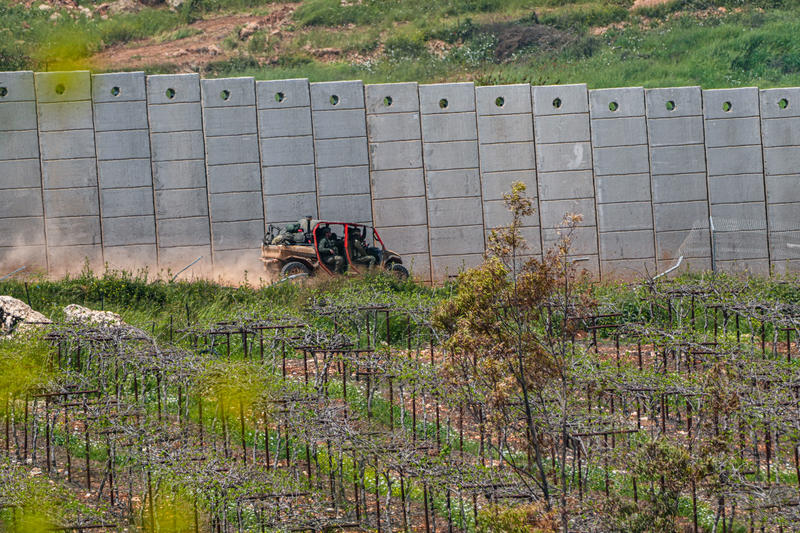
- The only exception is in communities along the Lebanese border where a “partial activity tier” was declared in towns on and near the confrontation line. People in these areas can work and hold classes only in structures or places from which they can access suitable protected areas.
- Confrontation Line Communities Forum Chairman Moshe Davidovich shared the frustration felt by the area’s residents following the policy update. Davidovich told Kan News, “Again, we’re back to colours: Red, orange, green. Our children aren’t traffic lights. While the whole country gets back to normal, ostensibly green, we’re going back to the ongoing nightmare of war in the confrontation line communities, and we’re alone. We’re in dark conditions, darker than dark.”*
- He was referring to the new features on the Home Front Command alert app which has new colours and sounds to distinguish warning stages: yellow for preparedness, red for entering protected spaces and green for the all-clear. The Home Front Command used the ceasefire period to introduce changes to its mobile app, making it easier to distinguish between different types of alerts.
- Overnight two drones infiltrated into Israeli territory, one from the north and one from the south. A drone that was fired from Yemen was intercepted near Eilat after midnight. At the same time, sirens were sounded twice in towns in the western Galilee, where a drone was also intercepted.
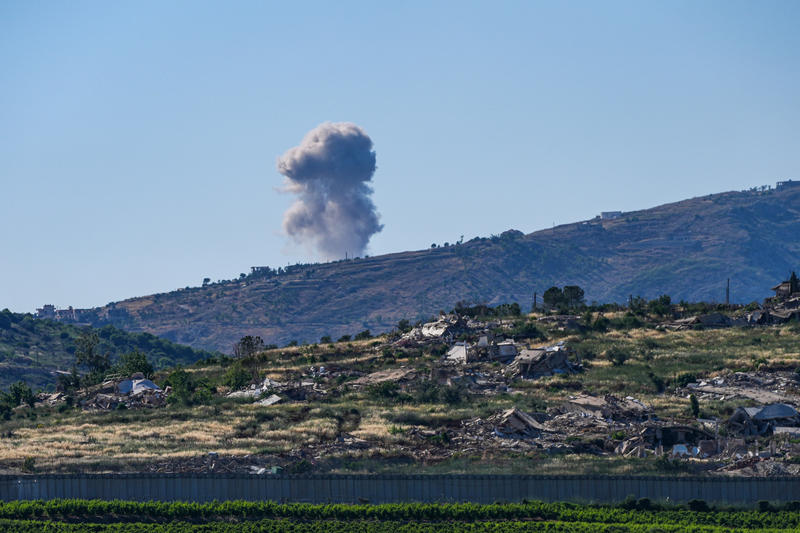
- At the conclusion of yesterday’s security cabinet meeting, it was decided to keep striking the Dahiya Quarter in Beirut in retaliation for every projectile launched at Israel. Prime Minister Netanyahu warned Iran against renewing its attacks on Israel. Netanyahu said: “Currently, they’re holding their fire on this front because after we hit the terrorist regime in Tehran, it ceased attacking us. If the terrorist regime makes the mistake of attacking us again, we will retaliate forcefully because Israel has the absolute right to self-defence, which we exercise as necessary.”
Context: It appears the fighting between Israel and Iran is over for now. The Iranian missile attacks and subsequent Israel response were the first direct hostilities between the two countries since April’s shaky ceasefire took effect.
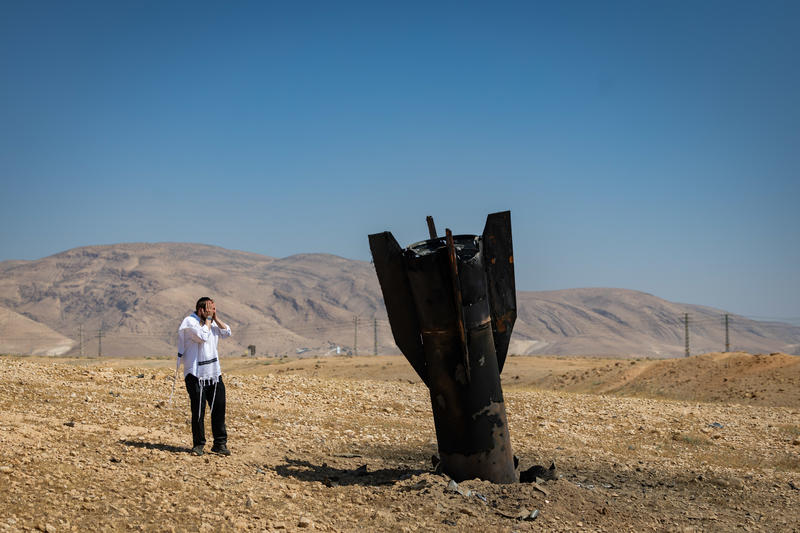
- This most recent escalation began on Sunday evening when Iran fired salvoes of missiles at northern Israel, ostensibly in response to Israeli air strikes on Hezbollah targets in Beirut. Israel retaliated with its own air strikes on aerial defence systems as well as a petrochemical facility in southwest Iran which it said was being used to manufacture raw materials used for ballistic missiles.
- In total, Iran is estimated to have fired approximately 21 projectiles at Israel, all of which were successfully intercepted without causing any damage.
- The Houthis in Yemen also attempted to launch two projectiles, one of which dropped short of Israel while the other was successfully intercepted. The Houthis have also renewed their threat to prevent Israeli maritime navigation in the Red Sea.
- Responding to the escalation, President Trump stated on the Truth social media site that “Israel and Iran must stop shooting”, and is reported to have threatened that Israel may find itself alone and unsupported in the event that it further escalated conflict with Iran.
- According to reports Trump also told Netanyahu that he would have to “use sense”, but that he was also “very close to signing a very powerful deal” details of which remain unspecified.
- Both Israel and Iran have indicated a willingness to resume hostilities, but their shared short-term intent is for the ceasefire to hold.
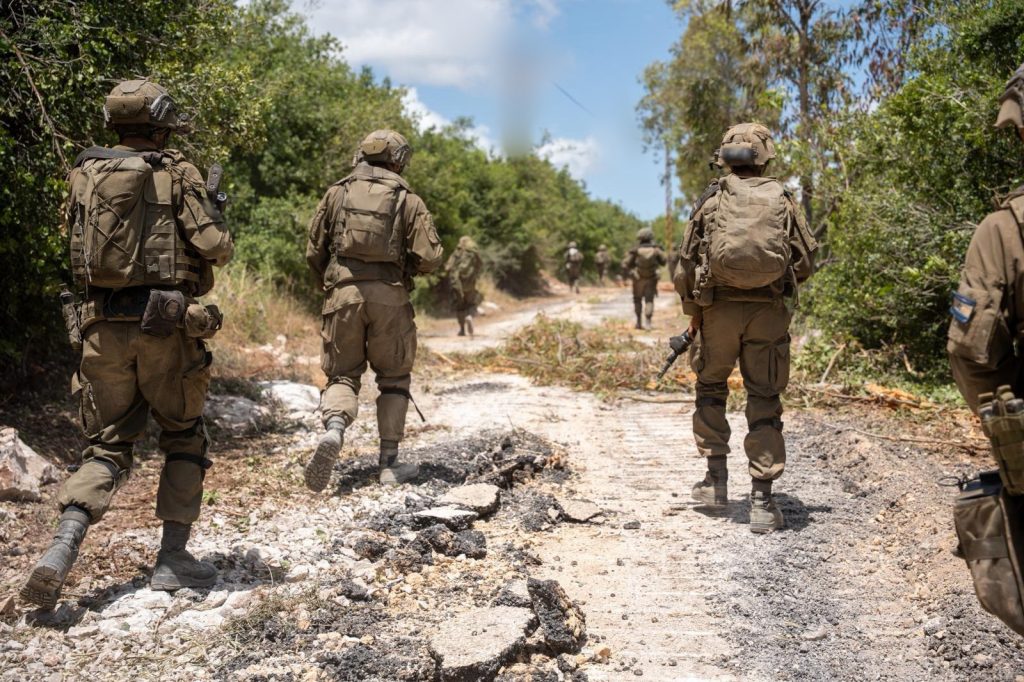
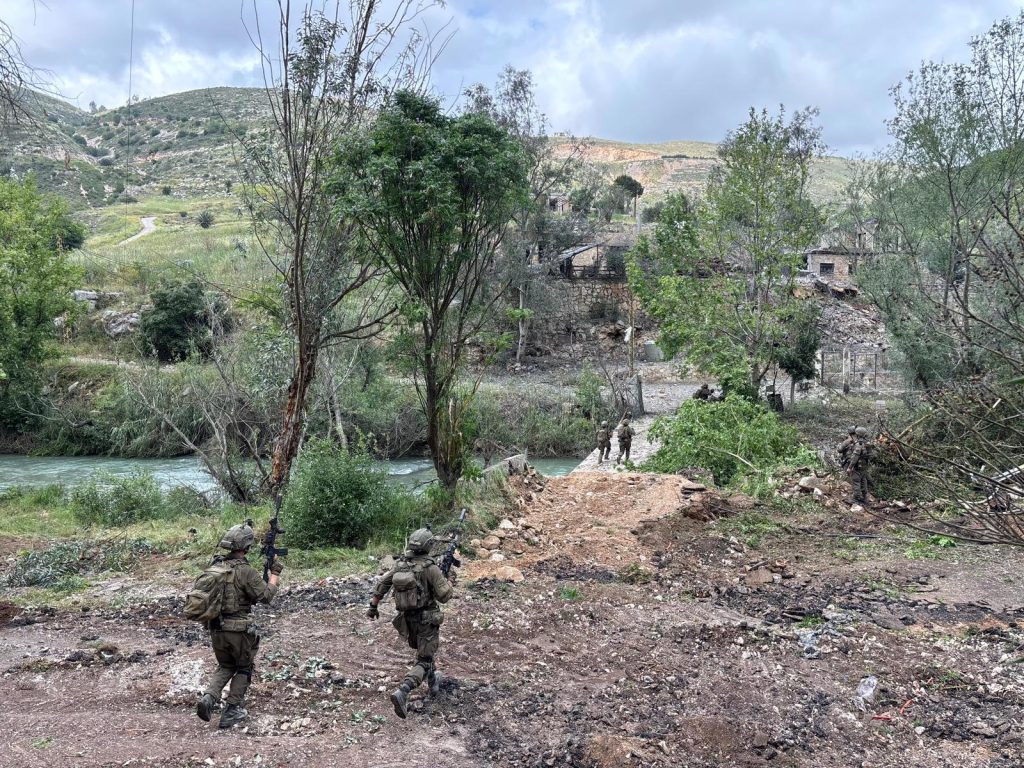
Looking ahead: The IDF is still manoeuvring in southern Lebanon and expected to continue to target Hezbollah fighters and military infrastructure.
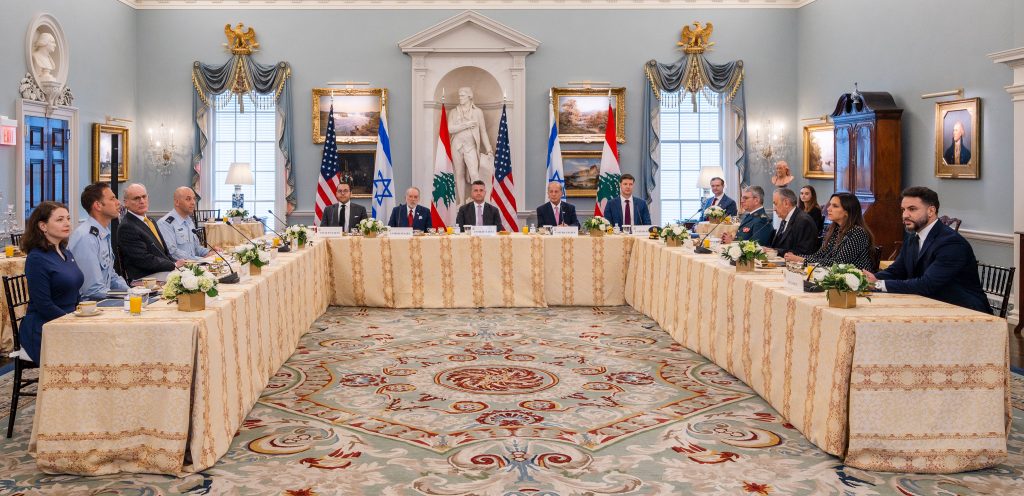
- In parallel, talks in Washington between the Israeli and Lebanese government representatives are also expected to continue.
- In an interview with CNN, Lebanon’s President Aoun went as far as to accuse Iran of using his country as a “bargaining chip” in negotiations with the US, making further comments that were highly critical of Hezbollah and the IRGC.
- President Aoun asserted that Israel should withdraw its troops from Lebanon, and that only then could Hezbollah be “dealt with” by Beirut. He also appealed for Israel to engage in peace talks, and confirmed that the current round of US-brokered negotiations were intended to reach a non-aggression pact rather than full peace deal.