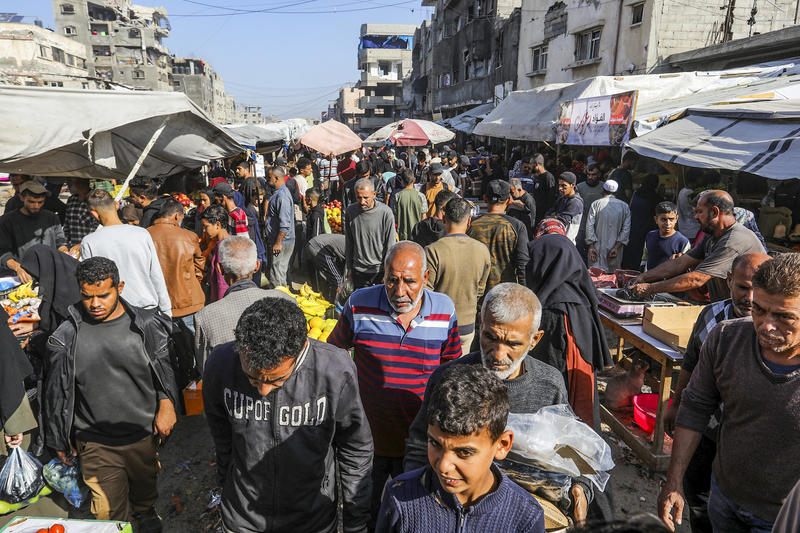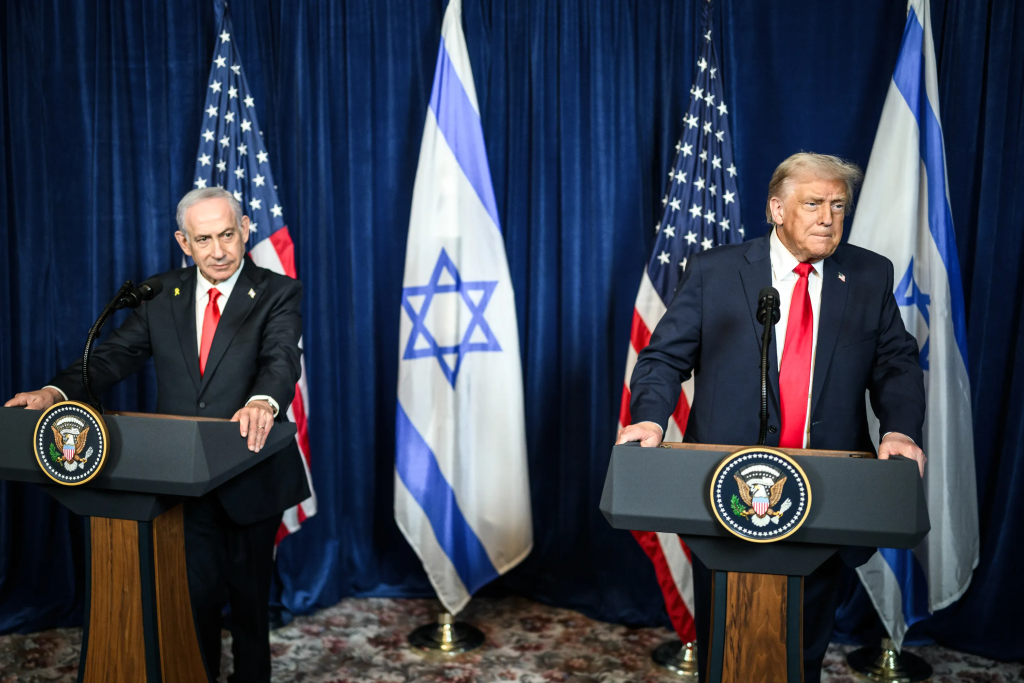
What’s happened: Amidst growing differences between the Israeli government and the Trump administration, the Israeli government decided yesterday to delay opening of the Rafah crossing between Gaza and Egypt.
- The opening is one of many measures that are supposed to happen in line with Phase two of the ceasefire agreement, which the US administration announced was underway earlier this week.
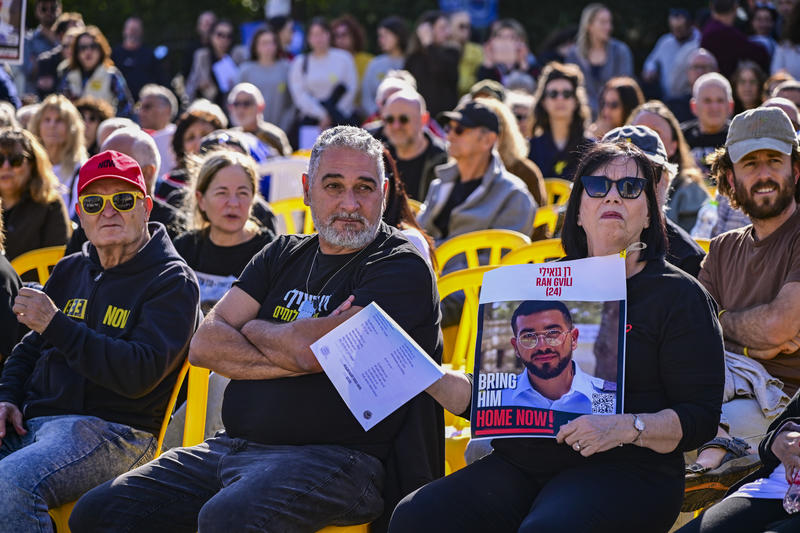
- Israel opposed moving on to phase 2 before the body of the last Israeli hostage, Ran Gvili, was recovered from Gaza, and Israeli officials were particularly unnerved by the inclusion of Qatar and Turkey not just in Trump’s Board of Peace, but also in the Gaza Executive Board which is designated for a direct role in supervising postwar Gaza reconstruction and governance.
- The Gaze Executive Board is the body which oversees the National Committee for the Administration of Gaza (NCAG), the so-called “technocratic” committee of Palestinians responsible for transitional governance of Gaza.
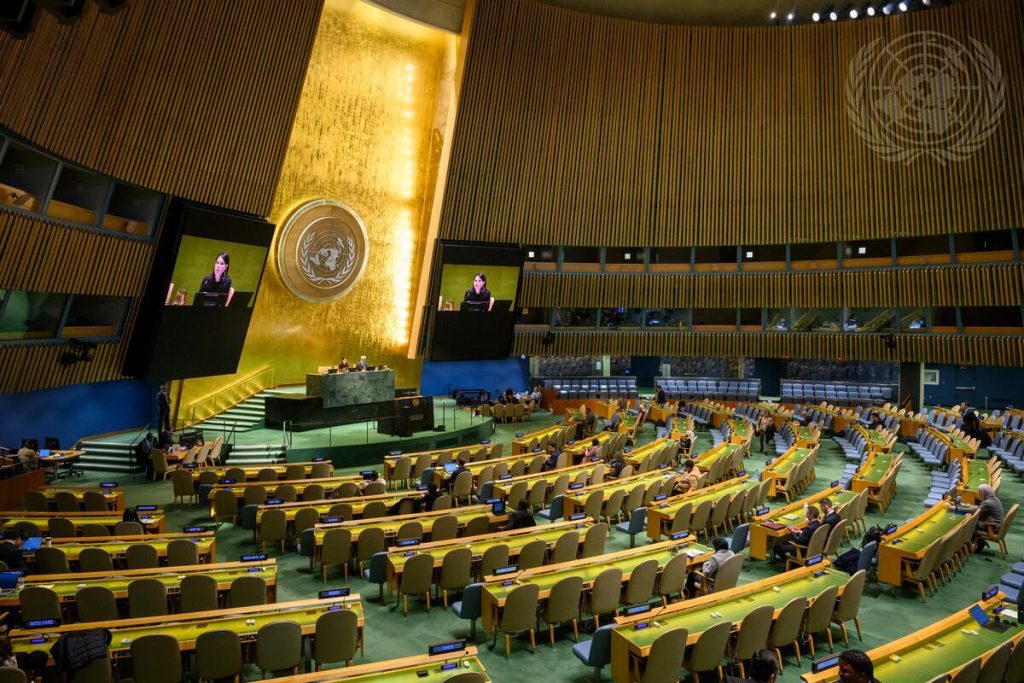
- Outside of Israel, growing attention has been focused on the charter of President Trump’s Board of Peace.
- The establishment of the Board was explicitly set out in the Comprehensive Plan which brought the Gaza war to a ceasefire in October 2025 and was endorsed by a UN Security Council resolution. Over the past week, the US administration has been sending formal invitations to countries to join the Board together with a detailed charter. The charter indicates a much broader role for the Board than just overseeing transitional governance and reconstruction in Gaza.
- The charter grants broad personal powers to President Trump, with the language unclear if these powers will last longer than his term in office. It offers countries a “permanent membership” if they contribute $1 billion dollars at the outset, though a three-year membership is free. Its mandate includes securing “enduring peace in areas affected or threatened by conflict,” not just Gaza.
- Among US allies, the only vocal scepticism about the Board registered so far has been from France, which has not definitively said whether it will join, and Israel, which is angered about the inclusion of Qatar and Turkey on the subcommittee explicitly tasked with overseeing governance in Gaza, the aforementioned Gaza Executive Board.
Context: The role of Qatar and Turkey in the future governance of Gaza continues to be a cause of concern for Israeli security officials, and a point of contention in domestic Israeli politics.
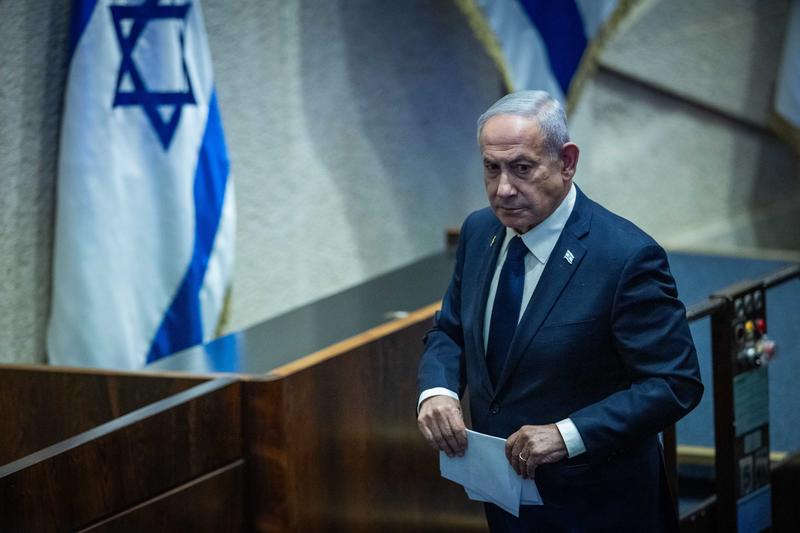
- In Knesset, opposition leader Yair Lapid blasted Netanyahu for either failing to block Qatar and Turkey from gaining a foothold in Gaza. “Hamas’s hosts in Istanbul and Doha, Hamas’s ideological partners, have been invited to run Gaza,” he said from the rostrum. Turning to the Prime Minister, he said that Netanyahu either “agreed behind our backs that Turkey, Qatar, and the Palestinian Authority would be in Gaza,” or that he didn’t know that the US had included them, which means “Trump doesn’t give a damn about you.”
- Netanyahu acknowledged that the US and Israel had “a certain argument” on the issue of Qatari and Turkish involvement, but emphasised that forces from the two countries would not set foot in the Strip.
- Former Prime Minister Naftali Bennett, not currently a member of Knesset, took to social media to criticise the Prime Minister on the matter. “Erdogan and the despicable Qatar, the greatest haters of Israel, the most enthusiastic aides of Hamas, are being ushered in through the front door to run Gaza,” he tweeted. “What a terrible diplomatic failure by the Netanyahu-Ben-Gvir-Smotrich government. Soon we will fix this, too.”
- Disagreement between the US and Israel is another case of most recent ruptures between the Trump administration and US allies. These rifts are becoming interlinked, as Donald Trump clashed with French President Emmanuel Macron over the potential inclusion of Vladimir Putin in the Board of Peace.
- The question of the Rafah Crossing has long been a bone of contention internationally and internally in Israel.
- When Israel withdrew all its soldiers and civilians from the Gaza Strip in 2005, it signed a multilateral agreement called the Movement and Access Accord which created a complicated mechanism for operating the crossing between Gaza and Egypt by Palestinian and European forces with a remote supervisory role by Israel.
- The arrangement was abandoned when Hamas took over the Strip following its coup in 2007. Egypt shut the crossing down completely in May 2024 when Israeli forces retook the Philadelphi Corridor, and the ceasefire which ended the war a year and a half later called for the crossing to be reopened, implicitly under an arrangement that would resemble the 2005 Accord.
- Initially, Israel announced it would reopen the crossing for one-way traffic — from Gaza to Egypt — but eventually under international pressure and despite strong opposition in the Cabinet, it agreed to open it for two-way traffic in Phase 2 of the ceasefire. The decision yesterday to delay the opening further was interpreted by all sides as an expression of Israeli frustration at both the incomplete return of deceased hostages and, most especially, at the last minute inclusion of both Qatar and Turkey in the Gaza Executive Board.
Looking ahead: Lurking behind all the disagreements about the Board of Peace, the Gaza Executive Board, the NCAG, and the ISF is the question of Hamas disarmament. No credible plan for the actually disarming the terrorist organisation has been put forward by any of the various committees and boards.
- Netanyahu himself, speaking at yesterday’s stormy Knesset debate, alluded to the possibility that the IDF would be forced to carry out the task itself should international efforts to disarm Hamas fail to yield results. “Phase 2 says something simple: Hamas will be disarmed, and Gaza will be demilitarised,” he said in his speech before Parliament, before adding that this “will be achieved either the easy way or the hard way.”
- Reports in the Israeli media based on leaks from the IDF suggest that such an operation would require four or five reserve divisions to be mobilised. The establishment of internationally backed governing and oversight bodies in the wake of the ceasefire would no doubt complicate such a ground offensive, especially in comparison to previous IDF incursions into Gaza over the past two years of war. But without concern over the fate of living hostages binding Israel’s hands, the IDF would be much freer to act than it was in previous rounds of fighting.