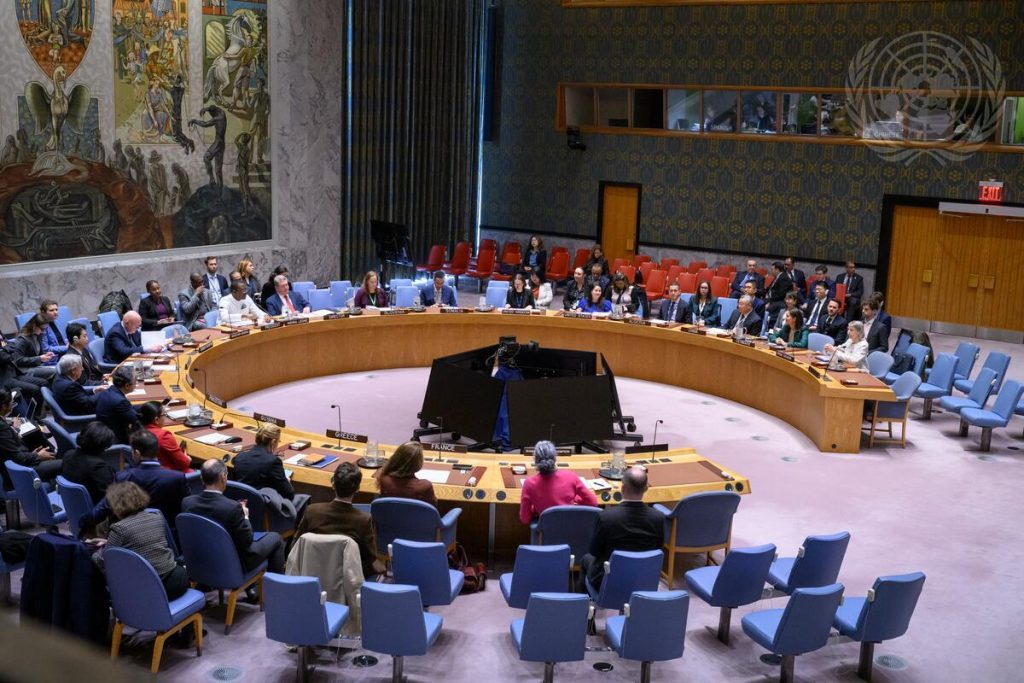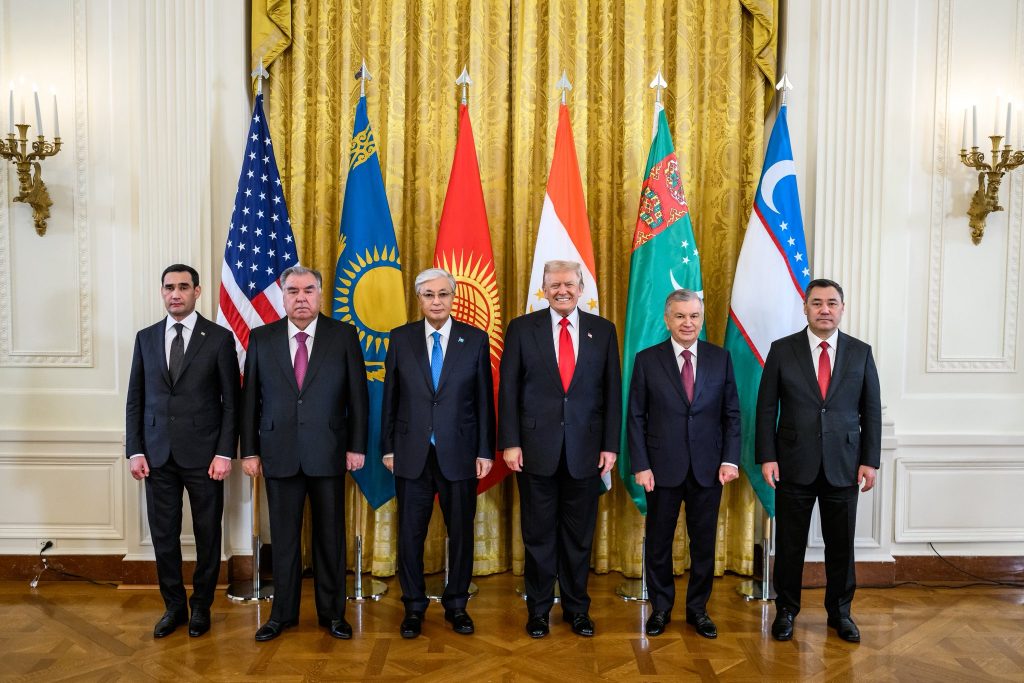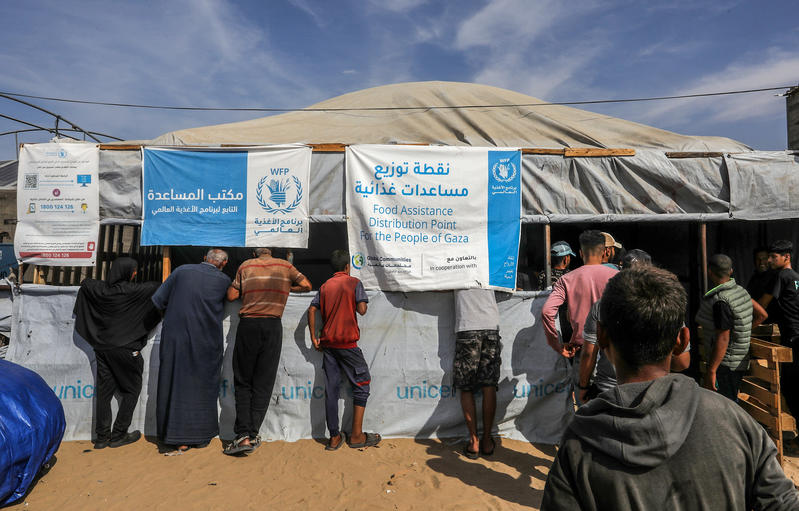
What’s happened: The United Nations Security Council approved Resolution 2803, endorsing President Trump’s Comprehensive Plan and granting an international mandate for the creation of an International Stabilisation Force to operate in Gaza for the next two years.
- The resolution explicitly references both the Board of Peace, a body to be managed by the Trump Administration and a “path to a Palestinian state.”
- The UNSC resolution authorises Trump’s Board of Peace to oversee governance of the strip until December 31, 2027. The Board of Peace will be empowered to appoint a “technocratic, apolitical committee of competent Palestinians from the Strip” to manage the day-to-day affairs of the Gaza Strip.
- The resolution also authorises the World Bank to allocate financial resources for the reconstruction of Gaza and calls for the establishment of an international trust fund for Gaza reconstruction.
- The Board of Peace will oversee the International Stabilisation Force, a multination armed force operating with a UN mandate that will “coordinate” with Israel and Egypt for security missions in the Gaza Strip, including training and support Palestinian police personnel, securing humanitarian corridors, and securing border areas.
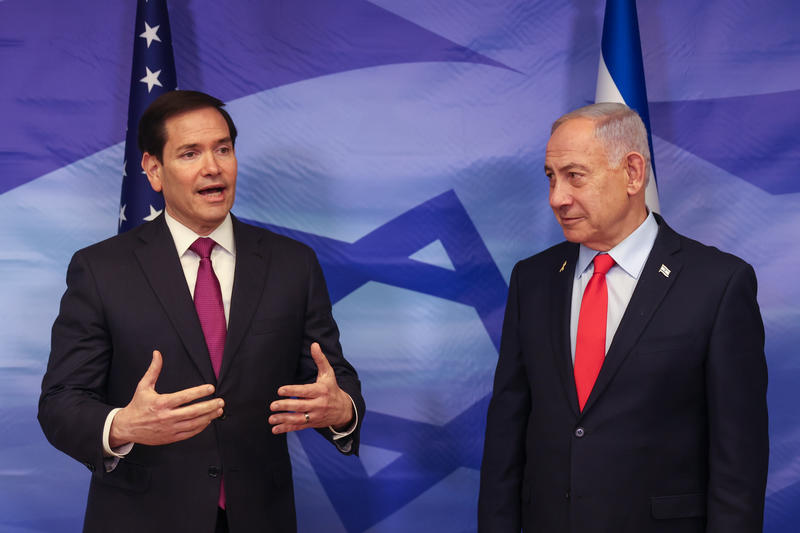
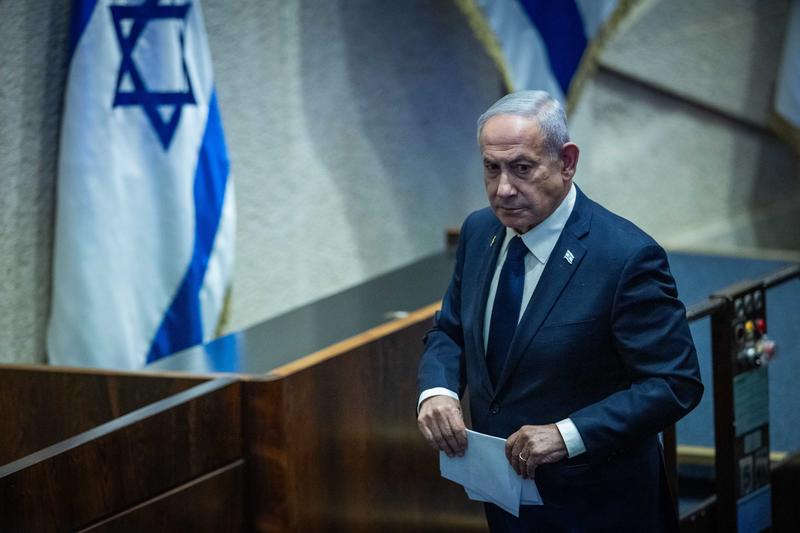
- PM Netanyahu reacted to the vote by praising the Trump plan. In a post on X, he wrote that “The State of Israel and PM Netanyahu applaud President @realDonaldTrump and his tireless and devoted team. The courage and sacrifice of our brave soldiers, along with President Trump’s diplomatic efforts, helped bring home all of the living hostages and most of the deceased ones. and saying it “will lead to peace.”
- Before the vote, at the start of the Government meeting on Sunday, Netanyahu reiterated that his “opposition to a Palestinian state in any territory has not changed one bit.”
- Israel’s UN Ambassador Danny Danon also praised the adoption of the resolution, emphasising that Israel would not compromise on the implementation of the resolution’s demands for full Hamas disarmament. “As we are determined to bring back all the hostages, we will display the same determination and ensure that Hamas is disarmed,” he said. “We will not stop and will not rest until Hamas is not a threat to the State of Israel.”
- The Palestinian Authority’s Foreign Minister Varsen Aghabekian Shahin also praised the resolution’s adoption, calling it a “first step in a long road towards peace.” Speaking to reporters in the Philippines, she said that “we could not embark on anything else before we had a ceasefire.”
- Hamas issued a statement rejecting the UN Security Council resolution, saying that it did not address the Palestinians’ rights and demands. It further indicated that it would not cooperate with any attempt to disarm the organisation.
- UN Secretary General Antonio Guterres hailed the resolution’s adoption and said that it was “essential now to translate the diplomatic momentum into concrete and urgently needed steps on the ground.”
Context: Despite reservations about some of the language – specifically relating to a pathway to a Palestinian state – Israel accepted the resolution as it sees it as a natural progression towards the next stage of the Trump 20 Point Plan.
- According to Israel Hayom, Israel was opposed to the changes in the text’s wording, but later dropped its opposition after receiving private commitments from the Trump administration that the state envisioned in the resolution, as far as the US administration is concerned, is in line with the 2020 “Deal of the Century” proposal of the first Trump administration, and not one that see the entirety of the West Bank and Gaza handed over to a fully sovereign Palestinian state.
- China and Russia abstained in the vote on the resolution’s adoption. Either country could have vetoed the resolution had they been so inclined. Both expressed serious reservations about the outsized role of the US, particularly the implied mandate of President Trump’s Board of Peace to govern Gaza.
- In an earlier Russian draft, the Board of Peace was unmentioned entirely. The Chinese and Russians were concerned that the ISF would essentially be reporting to the Board of Peace and through it to Washington. Ultimately, in the approved text, the Board of Peace retains the powers Trump had sought for it, but the ISF has to report back to the Security Council every six months.
- Algeria, the only member of the UN Arab Group currently on the Security Council voted in favour of the resolution, but only after securing language on Palestinian statehood that went beyond the wording in Trump’s 20-point plan or the original American draft of the resolution.
- Algeria’s ambassador told the Council that “genuine peace in the Middle East cannot be achieved without justice, justice for the Palestinian people, who have waited for decades for the creation of their independent state.”
- Algeria was not alone on insisting on these changes to the resolution’s text. The New York Times reports that other countries on the Security Council, including France, Guyana, Pakistan, Slovenia, and Somalia, pushed for more forceful language on Palestinian statehood.
- The resolution stipulates that after the Palestinian Authority reforms itself and reconstruction of Gaza progresses, “conditions may finally be in place for a credible pathway to Palestinian self-determination and statehood.”
Looking ahead: The mandate of the ISF goes far beyond mere peacekeeping and includes disarmament.
- The question of when the ISF could begin operating remains open.
- Though the Security Council resolution gives it a mandate to disarm Hamas, no country presently seems willing to take on the task.
- It can’t be effective in the parts of Gaza under Hamas control while Hamas forces still operate there as quasi-sovereign military and police force. It could conceivably operate in areas the IDF vacates, but Israel won’t vacate these areas until some kind of Hamas disarmament is achieved.
- President Trump is due to meet with Saudi Crown Prince Mohammed bin Salman today in the White House. Their discussions could have far-reaching implications for the entire regional alliance structure following both the Gaza War and the Twelve Day War with Iran.
- Trump announced yesterday his intention to sell the Saudis F-35 fighter jets, a move that could put Israel’s qualitative military edge at risk.
- Previous US administration’s (including Trump’s) had conditioned any such sale on Saudi commitments to scale back relations with China and to normalise relations with Israel. It is not yet clear what Trump will be expecting from the Saudis in return for the sale announced yesterday.