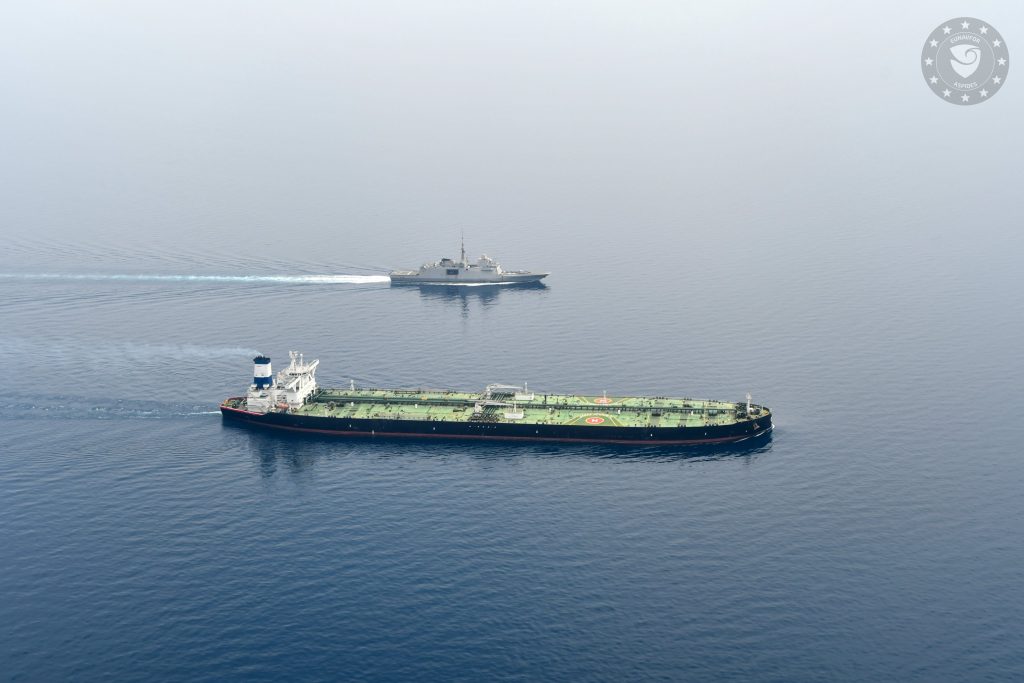
What’s happened: Following a “lightning offensive”, the Houthis have captured much of Yemen’s Red Sea coast giving them effective control of the strategic Bab el Mandeb Strait which separates the Arabian Peninsula and Horn of Africa.
- The cities of Abha, Khamis Mushait, Jizan, and Najran were all targeted, along with local infrastructure and Aramco-owned energy facilities wounding at least 73.
- The Houthis’ lightning offensive follows the breakdown of a ceasefire brokered between them and Saudi Arabia in 2022. Apart from seizing the Yemeni Red Sea coast, the Houthis have also launched dozens of drone and missile attacks against southern Saudi Arabia.
- Troops from the internationally recognised government of Yemen failed to defend the western Yemeni coastline from the Houthis with their positions collapsing shortly after the offensive began.
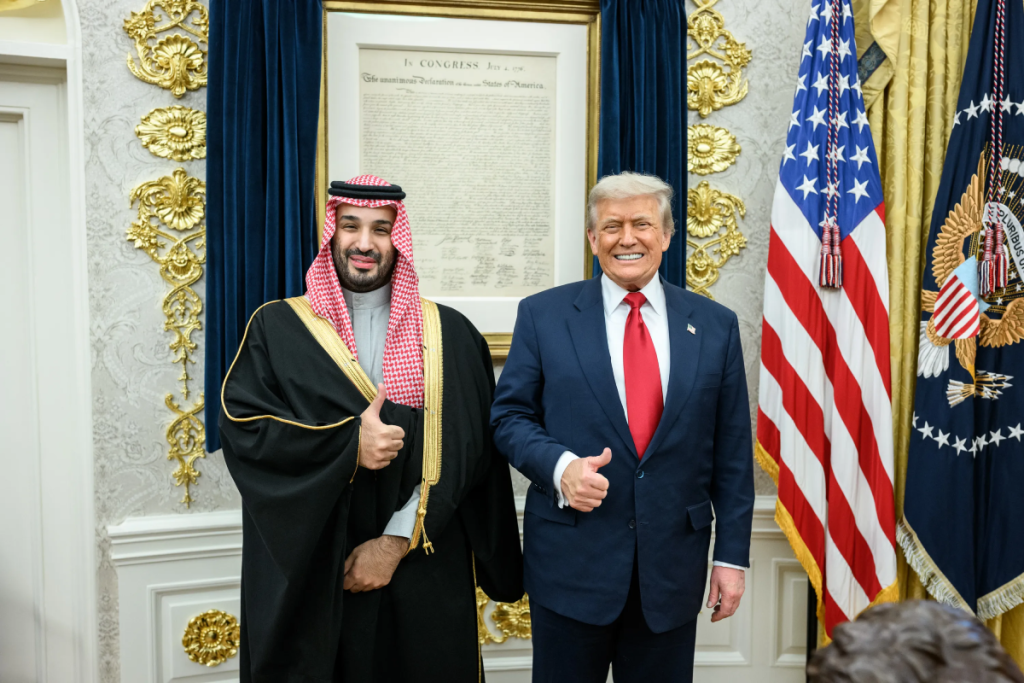
- Saudi Arabia has conducted hundreds of air strikes on Houthi positions, yet not succeeded in dislodging its fighters. The Saudi Crown Prince, Mohammed Bin Salman, reportedly requested military assistance from the US in the form of air support while the Houthis advanced on the city of Mocha. These requests are said to have been denied.
- Initial assessments suggest that the rapid collapse of Yemeni forces stemmed from a lack of preparedness and widespread corruption. Around 80 per cent of personnel were allegedly “ghost” soldiers, existing only on paper to allow their salaries to be claimed.
- Yemeni government forces are reportedly seeking to reverse their losses by launching a counter-offensive aimed at retaking the port city of Mocha.
- In a limited success for the Yemeni government, its forces claimed a victory further north in Al-Jawf province, where dozens of Houthi fighters reportedly surrendered.
- The Houthi offensive was supported by drones launched from Iraq by Iran-aligned militias against Saudi oil infrastructure, damaging the East-West oil pipeline and injuring several people. Saudi authorities subsequently shut down the pipeline, which normally carries millions of barrels of oil a day.
- Oil prices rose by 3 per cent on global markets in response to the Houthi advances, with Brent crude reaching $108 per barrel before stabilising at around $107.
- These developments represent the most significant escalation between the Houthis and Saudi Arabia since the 2022 ceasefire, as well as greatest strategic shift in Yemen since the fall of Sanaa in 2015.
- In a further escalation, the Houthis claimed this morning that they had struck King Khalid Air Base in Khamis Mushait, targeting hangars, radar systems, runways and ammunition depots.
Context: The Bab el Mandeb is estimated to handle approximately 12% global trade including 11% maritime oil, and 8% liquified natural gas.
- As the Bab el Mandeb is narrower than the Strait of Hormuz, it will likely be easier for the Houthis to control and disrupt global shipping from their new positions.
- This now means that Iran and its proxies control two of the most strategically important waterways for global trade and oil, along with the Strait of Hormuz separating the east of the Arabian Peninsula from the Iranian mainland.
- Around two weeks after the October 7, 2023 massacre, the Houthis launched their first attack toward Israel, that was intercepted by the US Navy over the Red Sea. On October 31, 2023, the Houthis first explicitly claimed responsibility for attacking Israel, including a missile launches toward Eilat.
- The missile was targeted by the Arrow 3 anti-missile defence system and thought to be the first operational exo-atmospheric interception in history.
- This also marked the first time that the Yemeni group had become directly involved in the Israeli-Arab Conflict, targeting ships it claimed were linked to Israel with drone and missile attacks, as well as attempted boardings and seizures. Some of the attacks were thought to have been coordinated with Hezbollah, to simultaneously attack Israel from the north and south.
- Overall, it is estimated that the Houthis launched over 500 missiles and drones towards Israel from the end of October 2023, though to February 2026.
- The Houthis were also responsible for attacking around 100 commercial vessels.
- While these attacks were of limited success and lethality, they functionally prevented insurers from approving policies for ships sailing west of the Yemeni coast, forcing them to take the much longer route of circumnavigating Africa. This significantly increased associated costs which were subsequently passed onto global consumers.
- While the vast majority of Houthis missiles and drones were intercepted, a small number of projectiles were able to reach their intended targets. Two Israelis were killed, one by a drone in Tel Aviv in July 2024 and a second drone attack in Eilat in 2025 that also injured around 20 people.
- The southern port city of Eilat was forced to close because of these attacks in the summer of 2025 after its revenues fell to zero.
- The Houthis refer to themselves as “Ansar Allah”, and are a Zaydi Shia separatist group which emerged in opposition to the former president, Ali Abdallah Saleh and growing Saudi influence in Yemen in the 1990s. They conquered significant parts of Yemen during the Arab Spring between 2011 and 2015 which they have retained control of.
- The Houthis are closely aligned with Iran and have greatly benefited from training and support from the IRGC-Quds Force, but retained a higher degree of independence than proxies and clients in Lebanon and Iraq, i.e. Hezbollah or Khomeinist Shia militias.
- Before 2023, the Houthis used the territory it controls in Yemen to launch missile and drone attacks against both Saudi Arabia and the UAE.
- The Houthis are sanctioned by the UK, and designated as a foreign terrorist organisation by the US.
Looking ahead: While the Houthis have assured freedom of navigation for all non-Saudi vessels in the Bab el Mandeb, whether they will honour this promise remains to be seen given their prior targeting of ships even tangentially linked to Israel.
- It is likely that if any countries support Saudi Arabia’s anti-Houthi campaign their shipping will also be targeted.