What’s happened: The US and Iran engaged in a fresh exchange of missile fire and air strikes yesterday and overnight.
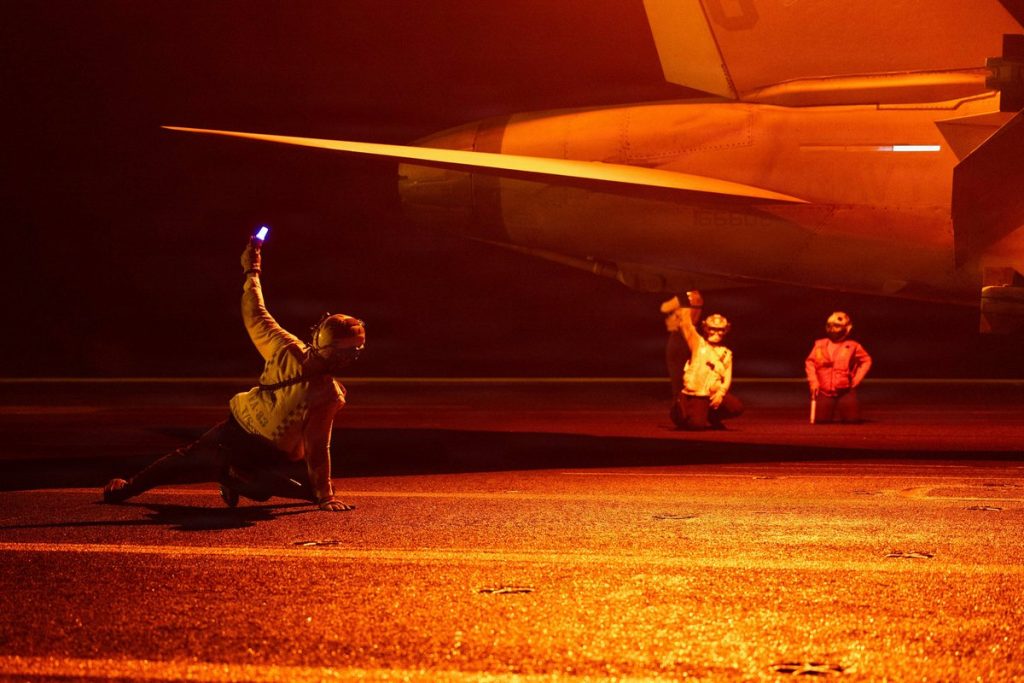
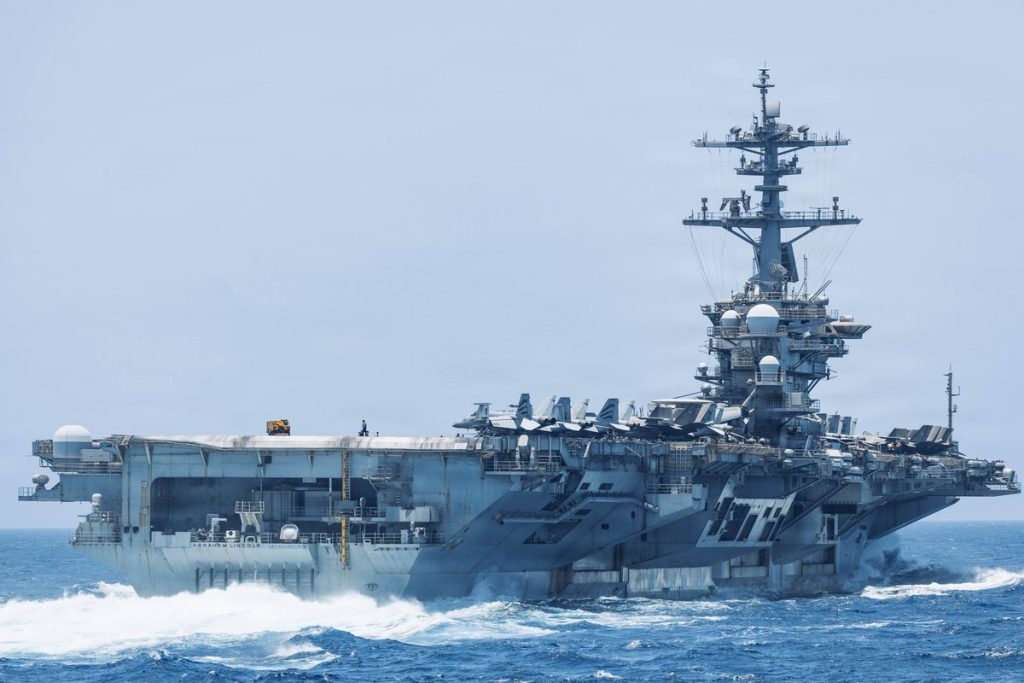
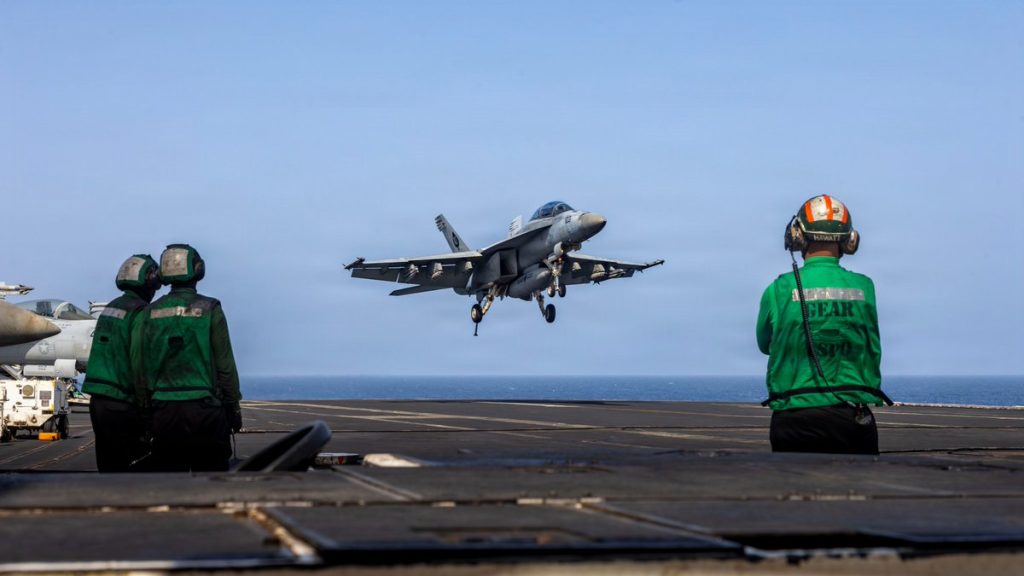
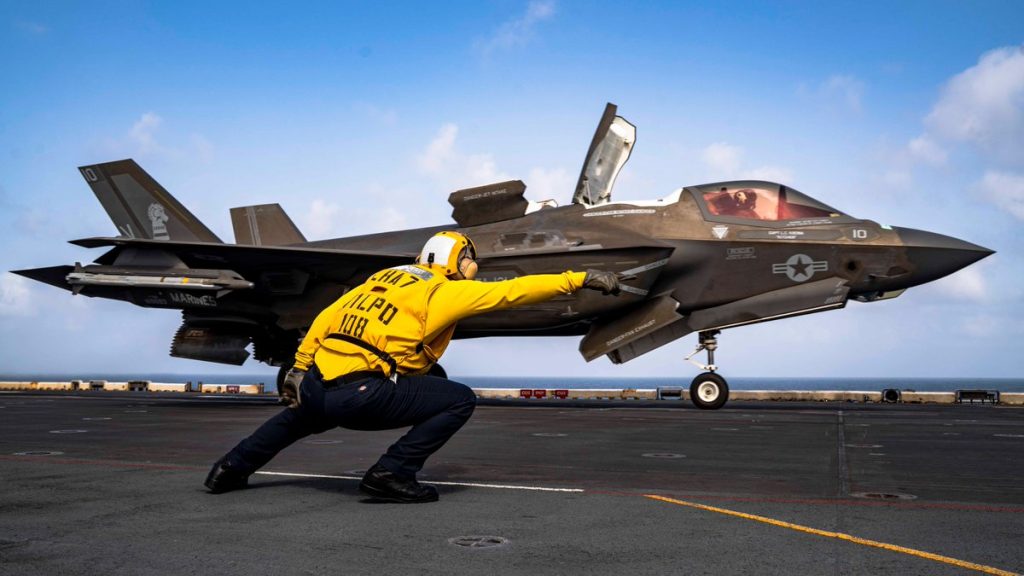
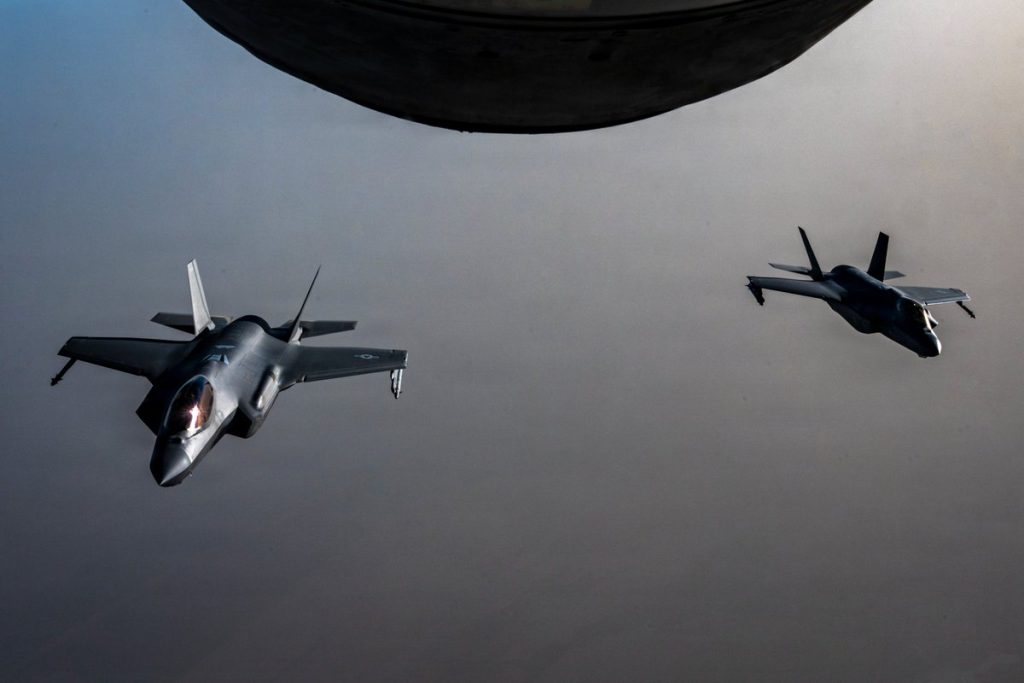
- The US launched what CENTCOM characterised as “self-defence strikes” against multiple targets in Iran, including in the southern port city of Bandar Abbas. The term “self-defence strikes” is the preferred term to describe American operations that are intended to be seen as pointed responses and not signal the end of the ceasefire in effect since April 8.
- US media reported that this wave of strikes included not just ordnance fired from aircraft but also 49 Tomahawk missiles. Among the targets reportedly hit was a large water facility on the Iranian coast of the Strait of Hormuz. The Iranians reported that water service in the region was cut off for 20,000 people. The water facility is adjacent to an underground Iranian air force base. Other targets by US forces included IRGC service units, coastal posts, and police command sites.
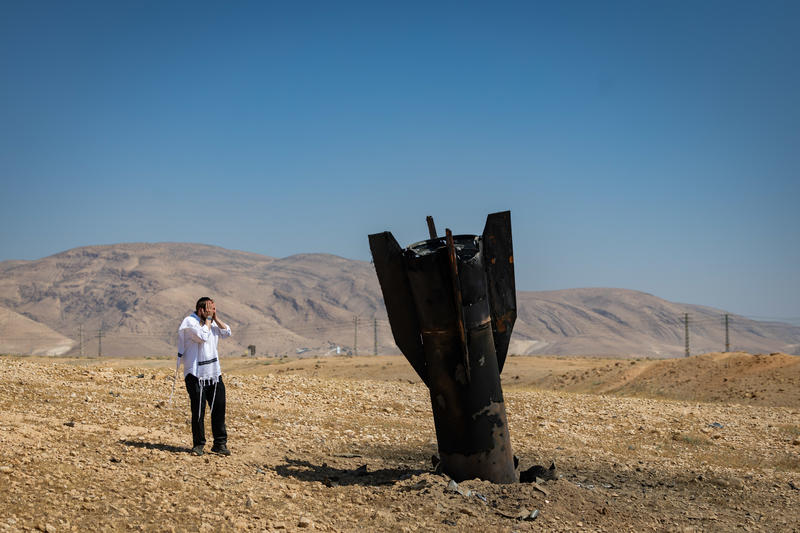
- Iran announced this morning that it had launched 18 attacks on US military facilities in Kuwait and Bahrain. This morning’s attacks, unlike yesterday, did not apparently include targets in Jordan.
- In the hours since this morning’s Iranian attacks, a US reprisal attack has apparently been underway, with a broader geographical range than the operations on Tuesday or Wednesday. CENTCOM reported targeting Iranian military surveillance capabilities, communication systems and air defence sites across southern Iran. An explosion was reported in Karaj, outside of Tehran, site of a major Iranian base and missile factory. There were conflicting reports of an attack on the South Pars gas facility.
Rhetoric: While previous rounds of mutual limited attacks between the US and Iran since the ceasefire went into effect have been accompanied by statements from both sides that sought to portray the operations as not signalling the imminent end of the ceasefire, today’s exchange of fire was accompanied by more bellicose statements.
- The commander of the IRGC Aerospace Force, General Majid Mousavi was quoted in Iranian state media as saying, ““You are making the holy Strait of Hormuz unsafe? We will turn the entire region into hell from across Iran. This is the response to America’s aggression in the region.”
- President Trump, too, signalled that he is running out of patience with the ceasefire and the negotiations that have not yet led to any agreement, telling US media that if an agreement was not reached soon, he would “bomb the shit out of Iran.”
Context: The possibility that the ceasefire with Iran could unravel has brought about a change in the IDF’s priorities too. The IDF has begun scaling back its operations in Lebanon to free up air forces for a potential renewal of hostilities in Iran.
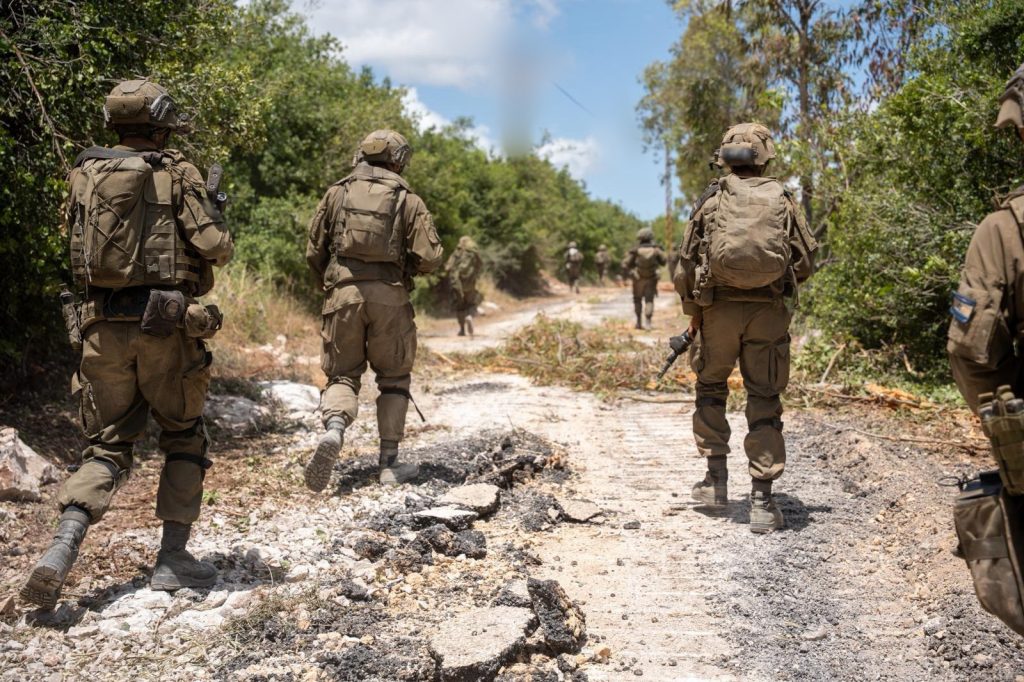
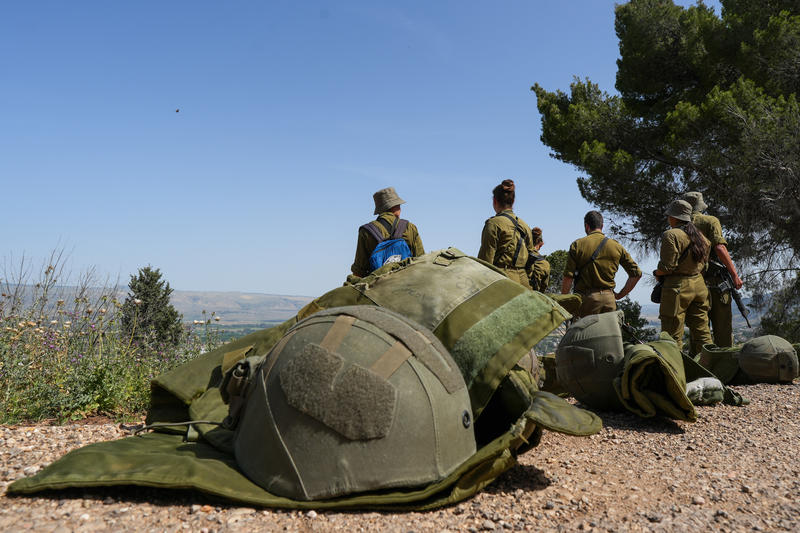
- The IDF also brought home forces that were operating for 30 days in Lebanese territory north of the Litani River.
- With the soldiers safely back at base, the IDF shared with media for the first time some of the details of its operations in this sector, including the capture of a massive weapons facility, hastily abandoned by Hezbollah fighters whose units have been collapsing in the face of the Israeli onslaught. At the facility were launchers with missiles ready to be launched at Israel’s northern communities, as well as drones, anti-tank missiles, rifles, and vests, presumably for use in an October 7-style invasion of northern Israel.
Gaza: Talks continue in Egypt to reach an agreement on Hamas disarmament, in line with the comprehensive plan which ended two years of war in Gaza last October. Israel is not a participant in the talks, which are also mediated by Qatar and Turkey, along with Egypt.
- According to Arab sources, Hamas has shown some willingness to give up its “heavy weapons,” but not its “light weapons. The former category includes the missiles and rockets it uses to attack Israel. The latter category includes the rifles and other munitions it needs to maintain its domestic control of Gaza.
- The Israeli assessment is that Hamas has almost no heavy weapons left anyway, so this is at most a symbolic concession. Though Israel is not a party to the talks, it is unlikely to permit the entry into the Gaza Strip from Egypt of the so-called “technocratic committee” which is supposed to handle governance of Gaza unless there is an agreed disarmament that meets Israel’s minimal conditions.
- Without disarmament, the progress of the comprehensive agreement is stalled, and the renewal of combat becomes more likely. This is especially the case as the major international actors involved have been laying the blame for the failure on Hamas and not on Israel, and as Israel will not, in any renewed hostilities, need to avoid operating in the Hamas redoubts of the refugee camps in the centre of the Strip for fear of harming Israeli hostages — because Hamas no longer holds any.