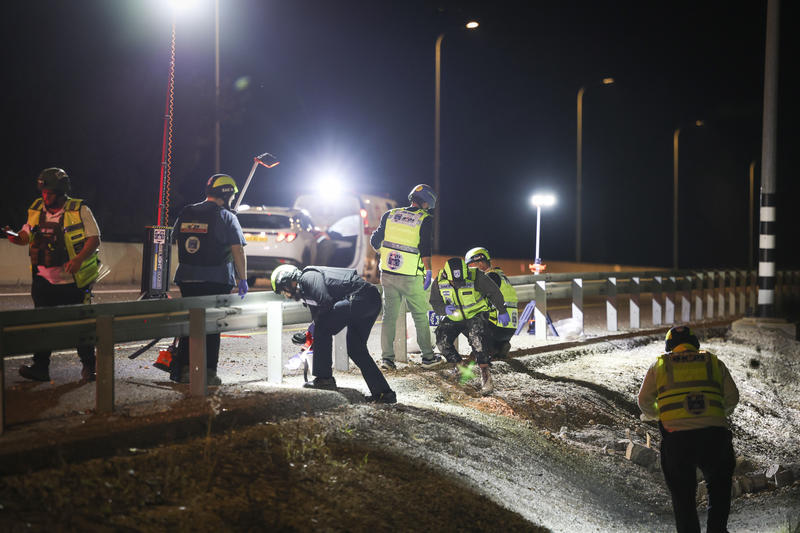
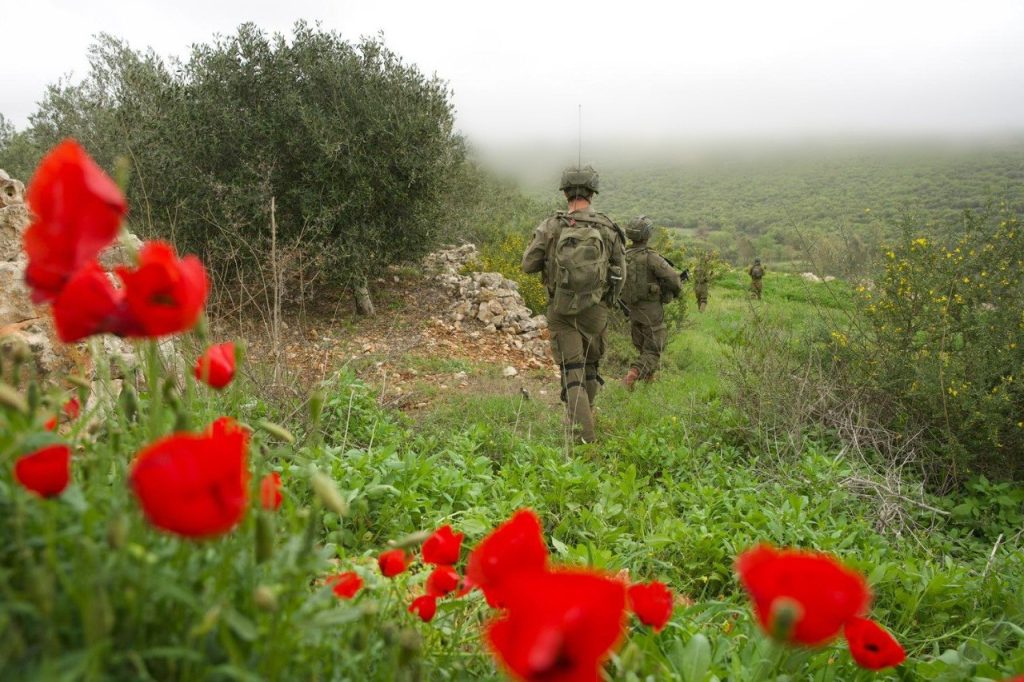
What’s happened: Israel suffered another casualty in southern Lebanon, when an Israeli civilian working as a contractor for the Defence Ministry was killed in a Hezbollah drone attack yesterday.
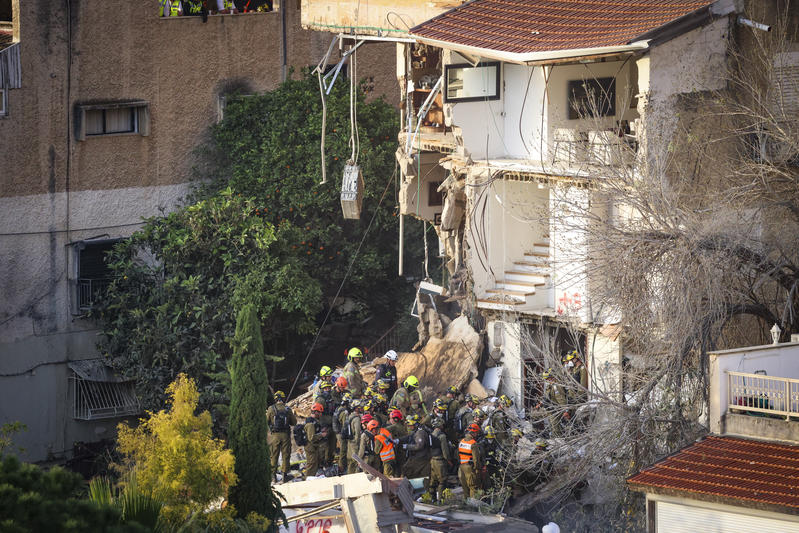
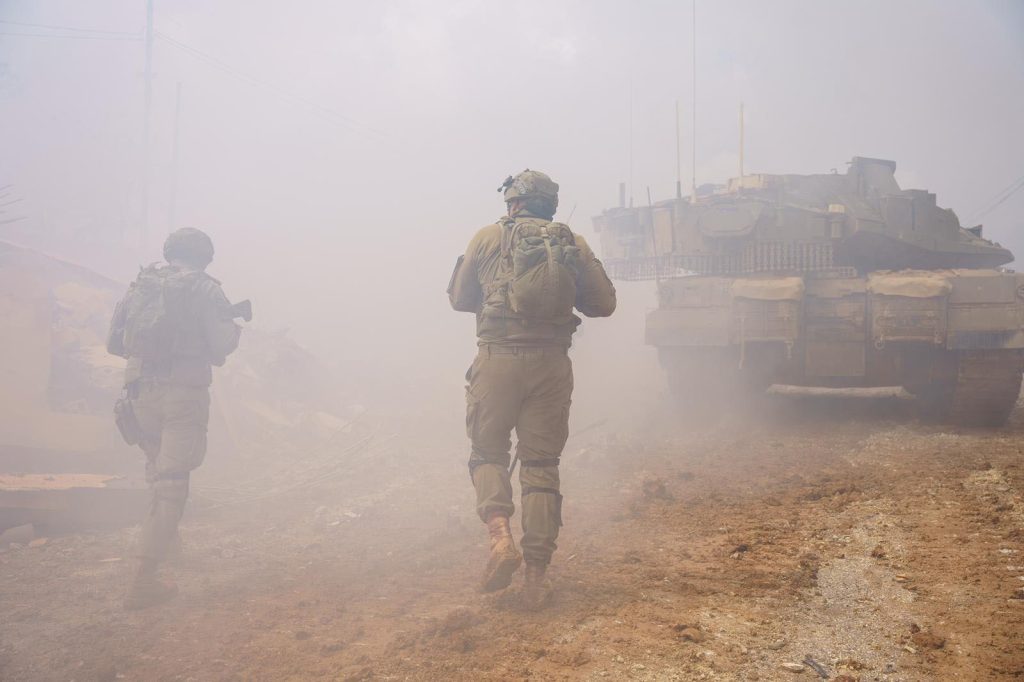
- Amer Hujirat, 44 years old from Shfaram was operating heavy engineering machinery supporting the IDF near Bint Jbeil in southern Lebanon. His 19-year-old son was working with him at the time and was lightly injured in the attack.
- Once more, Hezbollah used a fibre optic-guided drone in the attack, as it did in the attack earlier this week which killed Sgt. Idan Fooks. These drones, also known as FPV’s, cannot be electronically jammed. The only method to defeat to them is to shoot them down, which has proven to be difficult. Hezbollah has made extensive use of this weapon in the last two weeks, which it apparently started using as far back as 2024.
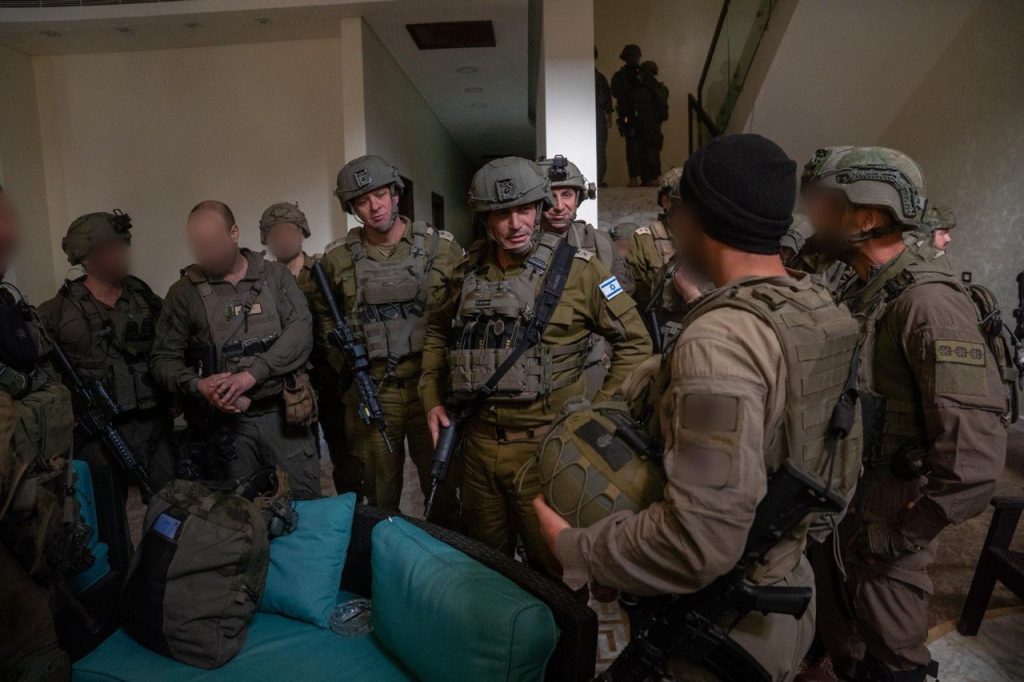
- The IDF destroyed two enormous tunnels in southern Lebanon that had been built by Hezbollah over the course of the last decade. The two tunnels were located about 11 km north of the border with Israel and reached about 26 metres underground. One was 700 metres long and the other 1200 metres long, and they were not connected to each other.
- The two tunnel compounds contained living quarters, staging areas, and access routes to launch sites, as well as large weapons stores. Each could have been used by hundreds of Hezbollah fighters to launch an October 7-style invasion of northern Israel. They were discovered by the IDF during the intense fighting which broke out in March following Hezbollah rocket attacks.
- Captured Hezbollah fighters provided crucial intelligence that allowed the IDF to clear out the tunnels and eventually destroy them yesterday in a massive controlled explosion that used 500 tons of explosives and was so large that it registered on seismographs in northern Israel as an earthquake.
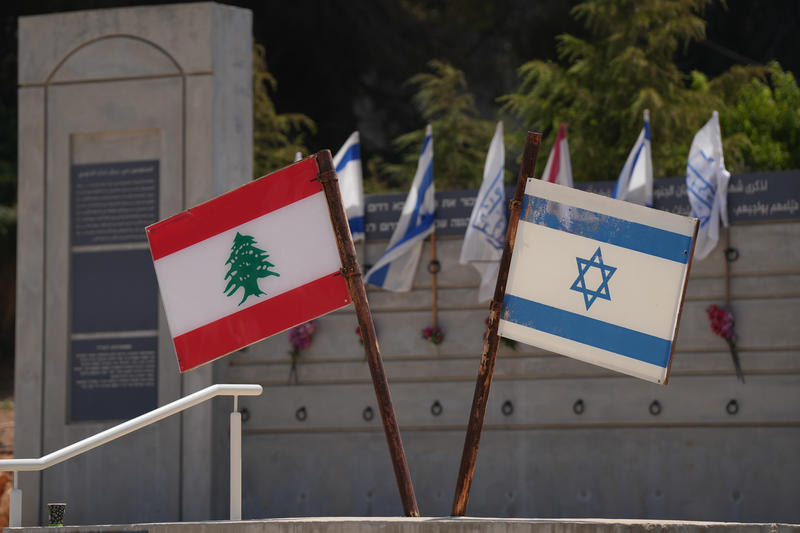
Context: The informal ceasefire, where low-level attacks continue, but where Israel refrains from retaliating in Beirut due to limitations imposed by the US so as not to interfere with the ongoing negotiations in Iran, continues.
- Israeli frustration with this informal ceasefire, which leaves IDF soldiers behind the forward defensive line, but vulnerable to attacks without Israel having the means to exact a price for attacks on its soldiers, has become a source of frustration for the army.
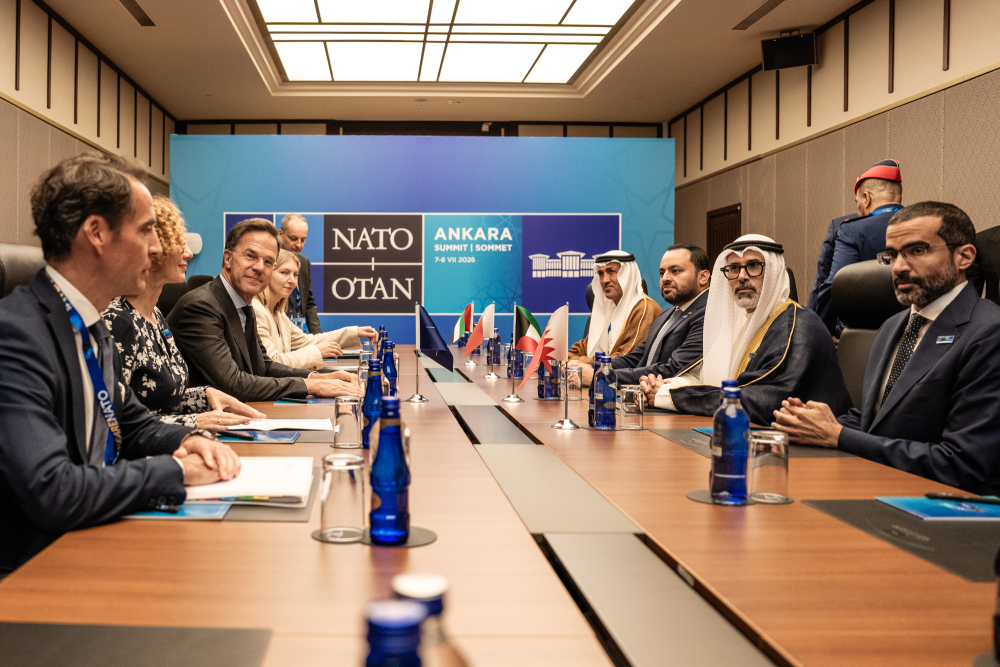
- At the same time, the US continues to push Israel and Lebanon to reach a diplomatic agreement that would exceed the measures of a ceasefire, even if it might fall short of a full peace treaty. Media reports have indicated that Egypt too has taken on a mediator role in the negotiations. European governments too have indicated that they would be willing to help Lebanon carry out a disarmament of Hezbollah, a sentiment echoed publicly by EU Commission President von der Leyen.
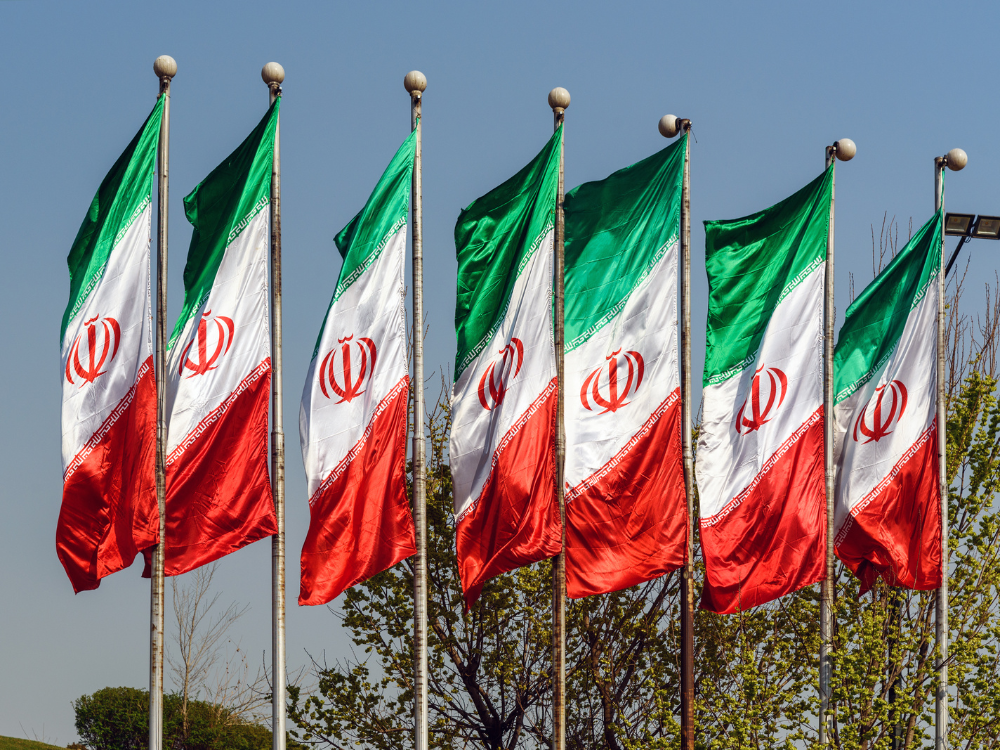
- The holding pattern of the Lebanon fighting exists at the insistence of the United States while it pursues a negotiated settlement in the larger conflict with Iran, of which the Lebanon conflict remains a secondary front. On Monday, the Iranians proposed a deal through Pakistani intermediaries that would have seen an immediate end to their blockade of the Straits of Hormuz as well as the American blockade on Iranian ports as a first step to further negotiations on the nuclear programme. It also would have committed the U.S. to a full end to the war with Iran. The Trump administration appears to have rejected this proposal.
- As the US continues to build up its forces in the region in anticipation of a possible collapse of the ceasefire which has been in effect for more than three weeks now, the administration has begun signalling publicly in the last day that might prefer a long-term economic squeeze on Iran over either of the two options that were until very recently seen as the most likely — a negotiated agreement or a renewal of the war with a massive attack on Iranian infrastructure.
- The negotiations that have taken place have dealt exclusively with the Iranian nuclear programme and not, as far as is publicly known, with either the Iranian ballistic missile programme or with Iran’s support of it proxy network in the region. This has led to a great deal of frustration on the part of Israeli officials, who, in leaks to local media, also indicate that Jerusalem is not always fully updated on the diplomatic developments or American positions regarding Iran.
- The talks included various proposals for moving highly enriched uranium out of Iran, but foundered on the American insistence on a 20-year commitment from Iran not to engage in enrichment activities. The Iranians, according to Pakistanis mediators, were unwilling to commit to more than five years.
- Assuming that gap could be bridged, an agreement along the lines discussed would an unwelcome development from the Israeli perspective. It would leave Iran free to develop more ballistic missiles, and the lifting of sanctions would rescue a regime precisely at its weakest moment, while allowing to further finance its terrorist proxies closer to Israel. At the same time, a new round of fighting without a decisive conclusion or an American “declaration of victory” and departure could be even worse. The possibility of a continued blockade on Iran while a temporary ceasefire remains in place could be the least bad option.
- The US too, appears to coming to that conclusion — or at the very least, wanting to create a public impression that is coming to that conclusion. Multiple reports today in US media quoted Trump administration officials as preparing for an extended blockade of Iran as the US’s best near-term strategy, with officials estimating that the economic costs to Iran of the status quo are much higher than they are to the US or its allies. Iran has apparently taken to “junk storage” of oil surpluses, as unsold oil, blocked in port by the US Navy, has filled its existing storage capacities and left it in a position where it might soon need to halt production altogether.
Looking ahead: Trump has extended the ceasefire indefinitely as long as negotiations are underway.
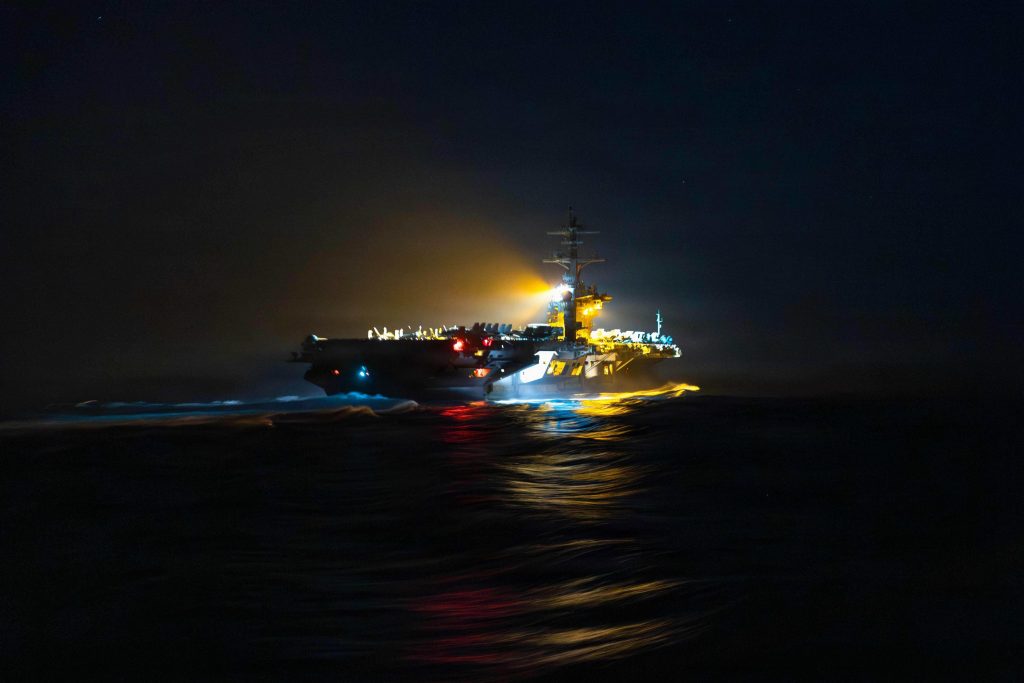
- At the same time, the US continues its force buildup in the region, with a third carrier strike group arriving this week. The USS George HW Bush joins the USS Abraham Lincoln and the USS Gerald R Ford, already in theatre.
- Some 50,000 ground troops are also stationed across the region in American bases, a significant change from the buildup that presaged the February 28 launch of hostilities.