What’s Happened: Netanyahu to meet Trump at the White House
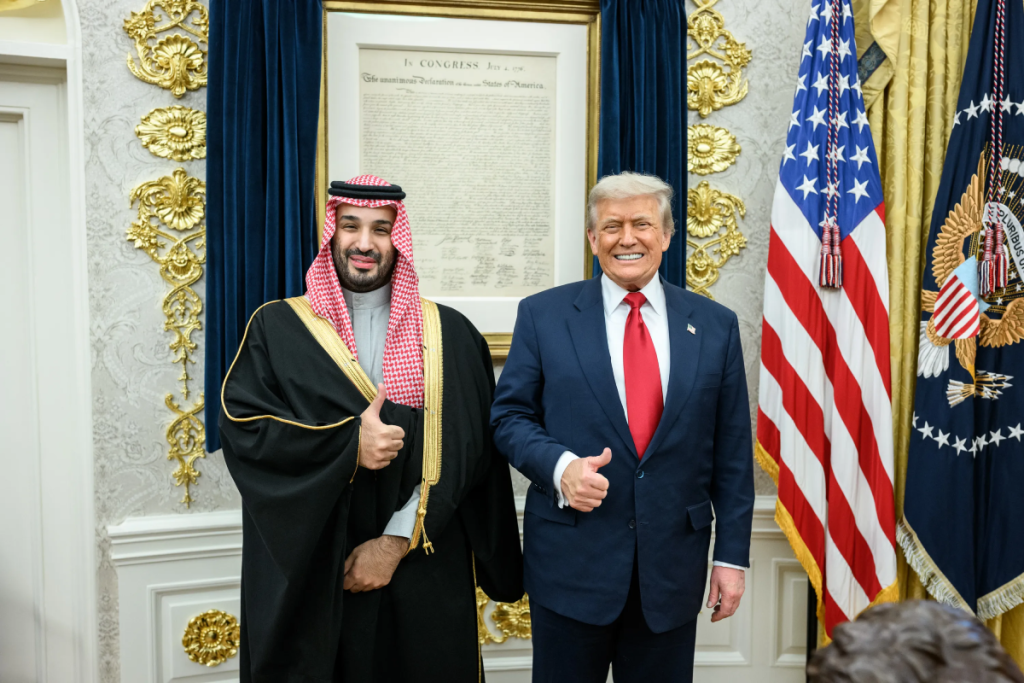
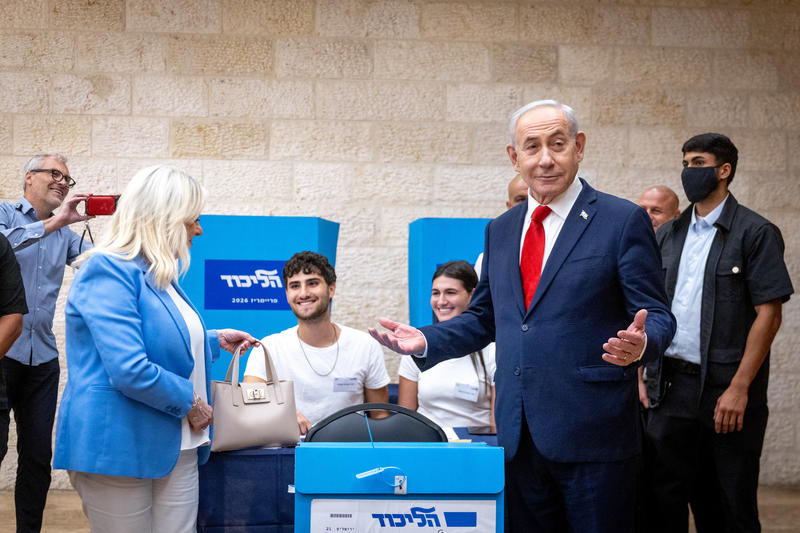
- Israeli Prime Minister Netanyahu is due to meet with US President Trump at approximately 11:00 (local time) in Washington DC.
- Netanyahu will also attend the funeral ceremony for the late US Senator Lindsey Graham, who died on 11 July, at the Capitol alongside other US and world leaders.
- After leaving Israel, Netanyahu’s office issued a video in which he said that he was embarking on the trip with “one clear objective: to ensure the security, strength and future of our beloved State of Israel.”
- “In these complex times,” Netanyahu said, “one has to act with great determination and great wisdom. We will discuss all the issues on the agenda, first and foremost Iran. Of course, our goal is to ensure our security while also expanding the circle of peace around us.”
- When asked by journalists on board his plane whether he and Netanyahu were in agreement on the Iranian issue, Trump said, “We have a little difference but pretty close, yeah. You know, Iran took a beating over the last 14 days and they asked us very nicely, ‘Please, stop. Let’s meet.’ And that’s where we are right now. We’ll see what happens. If we don’t make a deal we go back to the same thing.”
- Trump said he had decided to suspend strikes against Iran so as to give negotiations another opportunity but stressed that if diplomacy failed, he could order military operations to resume and expand. “We are in very deep talks with Iran. If they don’t work out, we will go back to very strong military action.”
- When asked about Netanyahu’s objections to the sale of F-35s to Turkey, Trump said, “Nobody tells me what we should be selling.”
Context: Trump’s meeting with Netanyahu follows a series of meetings in recent days with regional leaders, including Turkish President Erdoğan, Syrian President al-Sharaa, and Lebanese President Aoun.
- Trump has also spoken with the leaders of Saudi Arabia, Qatar and Bahrain and is meeting Ukrainian President Zelensky before Netanyahu.
- This trip comes amid pressure domestically for both Trump and Netanyahu due to the protracted nature of the conflicts in Iran, Lebanon, and Gaza. Their first meeting since the Iran war began in February will likely include the announcement of a potential US-Saudi nuclear deal, developments in Gaza, Lebanon and Syria, and obviously the situation with Iran itself.
- The goals of the ongoing war with Iran have remained broad and unclear, with many of the original goals – potential regime change, dismantling parts of Tehran’s proxy network, preventing Iran from rebuilding its nuclear programme, and maintaining safe passage in the Strait of Hormuz – still largely unachieved.
- Netanyahu will reportedly share intelligence indicating that Iran is building nuclear facilities at Pickaxe Mountain, which shows that the Islamic Republic is lying about its desire to continue to negotiate and that it is not negotiating in good faith. His goal is to present the severity of the threat but not to be perceived in Washington as a war monger trying to (once again) draw the US into a direct military conflagration.
- The US administration believes that it is gradually wearing down Iran and that this will allow a greater achievement than a single, powerful military strike. Israeli officials suspect that American talks with Iran are unlikely to yield results the Americans want regarding freedom of movement in the Strait of Hormuz (and certainly not on the nuclear issue). This might create a dilemma for Trump as to whether to escalate further against Iran – perhaps hitting regime infrastructure – which he has so far preferred not to do.
- Israeli officials believe that President Trump will bring up Syria and Lebanon and may push for an Israeli withdrawal from those two countries. On Sunday, al-Sharaa said that his country is working toward a security agreement with Israel, which he said could eventually pave the way for comprehensive peace between the two states. Last week meanwhile, during a meeting with President Aoun, Trump promised that the US would “help” Lebanon “a lot.”
- Israeli sources claimed that, following consultations with Ambassador Leiter and some of Trump’s closest aides, Netanyahu made progress on the Gaza issue in order not to come to Washington empty handed. Israel’s security cabinet meeting discussed and approved the International Stabilisation Force’s (ISF) entry into the Gaza Strip, despite the fact that Hamas has failed to meet its commitment to disarm.
- The Security Cabinet initially approved the entry of the ISF into Gaza, as a part of Trump’s 20-point plan. The goal at the beginning is to launch a pilot programme based in Rafah in southern Gaza within the coming months. This first phase hopes to involve infrastructure work for temporary housing.
- The Israeli Cabinet also approved granting immunity to the ISF and to launch the Board of Peace (BoP) pilot phase for the restoration of basic services and humanitarian assistance outside of Hamas control in Gaza. Despite this, Israel will maintain IDF presence along the Yellow Line, and will not withdraw as long as Hamas maintains arms and power.
Looking Ahead: The Prime Minister’s Office is awaiting the American administration’s decision on whether Vice President JD Vance and Secretary of State Marco Rubio will join the meeting and/or whether they will meet with Netanyahu separately.
- In Gaza, preparations are due to advance to welcome the ISF and the Board of Peace, and talks in Cairo will likely point towards more concrete next steps.
- US CENTCOM commander Admiral Brad Cooper is expected to travel to Beirut this week to closely monitor developments and to discuss expanding demilitarized zones following IDF withdrawals.
- The next round of US-brokered talks between Israel and Lebanon is due to take place in Rome, with technical teams meeting between August 4 to 6. The State Department said that discussions would include “expanding the pilot zone process, resolving all outstanding border issues, and working on a comprehensive peace and security agreement.”