What’s happened: Parties running in the upcoming general election are merging and consolidating ahead of Tuesday night’s deadline.
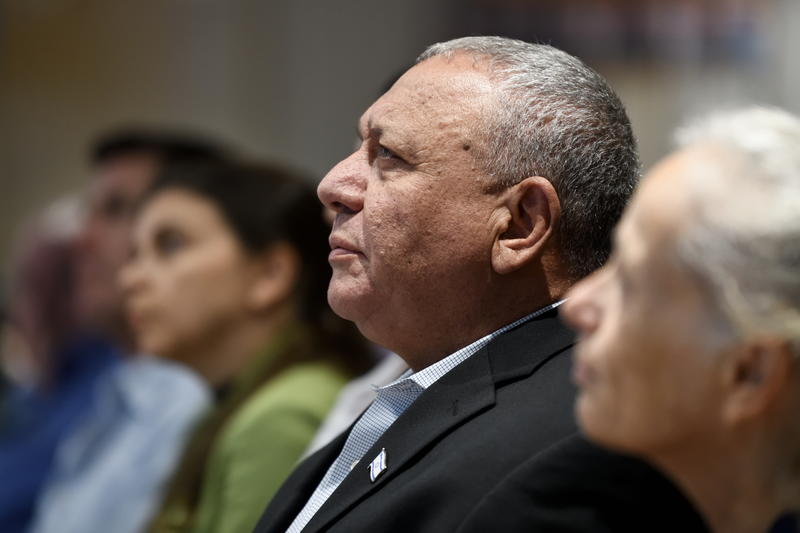
- Gadi Eisenkot’s Yashar Party, which according to most polls could emerge as the largest party has added Chili Tropper along with Shira Shapira (mother Aner Shapira, a national hero who fell saving lives at the Nova Festival on October 7 2023) from the Zionist Home-Reservists party. Tropper will be placed in the sixth slot on Yashar’s list, and Shapira tenth.
- Tropper’s partner until yesterday, Yoaz Hendel, will instead unite with Yaron Zelekha Economy Party. Combined they are teetering on the electoral threshold.
- Tropper had previously been part of Gantz’s Blue and White party. Eisenkot praised his new addition calling him, “an ethical and stately leader, a man of action and service and a partner in the belief in responsibility, public unity and a deep commitment to the State of Israel.”
- Tropper said, “These are decisive times, which oblige us to make decisions responsibly and to look at what is best for Israel… We will continue to act to form a Zionist government, internal cohesion within the Israeli public and worthy leadership.”
- Eisenkot also announced that Adi Altschuler, an Israel Prize laureate and president’s medal recipient who founded Krembo Wings and Zikaron Basalon, had joined the party and would be on its election slate. Eisenkot said that Altschuler would be his party’s candidate for education minister. Krembo Wings is a youth movement for children and teens with and without disabilities. They build social connections for young people from every part of Israeli society —Jewish, Arab, Christian, Bedouin, Druze, religious, secular, and everything in between. Zikaron BaSalon is a social initiative of informal gatherings in private homes on Holocaust Remembrance Day.
- The Together Party also announced their list, led by former prime ministers Naftali Bennett followed by Yair Lapid. Third will be Keren Turner, a former director general of the Finance Ministry and Transport Ministry. MK Merav Ben-Ari, in fourth place, served as the opposition factions’ coordinator in the outgoing Knesset, and was second on Yesh Atid’s list. Liran Avisar Ben-Horin, a former Communications Ministry director general, is fifth on the list, followed by Maj Gen (res) Noam Tibon, former head of northern command, and one of the senior retired army officers who drove south on October 7 to rescue people from the Hamas attack.
- There was a surprise announcement within the ultra-Orthodox UTJ party. Veteran party leader MK Moshe Gafni along with Uri Maklev were removed from Degel Hatorah’s slate on orders from Rabbi Dov Lando and other prominent Litvak rabbis. Rabbi Lando sent the two MKs a letter in which he thanked them for their years of service. He said replacing them was essential for refreshing Degel Hatorah’s slate ahead of the upcoming election. MK Yaakov Asher is expected to be Degel Hatorah’s next leader, and he will probably also be named chairman of United Torah Judaism.
- On Friday, Minister Ben Gvir announced the addition of MK Tally Gotliv from the Likud who will now run as his number two. It is also possible that MK May Golan might also leave the Likud. Ben Gvir said, “She’s a good friend. Wait and see.”
- Meanwhile other former Likud ministers Gilad Erdan, and Yuli Edelstein announced their decision to withdraw their Unity party from the race after talks with Benny Gantz’s Blue and White party collapsed.
- Last week Religious Zionist Party leader Smotrich joined forces with Zehut’s Moshe Feiglin to run on a single list. Following the agreement Smotrich said, “As far as I’m concerned, this is the first merger and not the last. We call on all of the right-wing parties to join.”
Context: The small parties face the harshest political jeopardy as if they do not pass the requisite 3.25 per cent they do not get any seats in the Knesset.
- The threshold was raised from 2 per cent to 3.25 in 2014 on the initiative of Avigdor Liberman. At the time his agenda was two-fold; to limit the ability of small parties to disproportionally influence proceedings and secondly as a direct challenge to the Arab parties. Instead there is now a proliferation of small to midsized parties. The Arab parties united into the Joint List and increased their representation.
- In the last election around 9 per cent of votes went to parties that did not cross the threshold and were not counted. Most significantly Meretz, which was just 4,000 votes short of the threshold, was kept out of the Knesset, as was Arab party Balad. Meretz’s failure impacted the entire bloc.
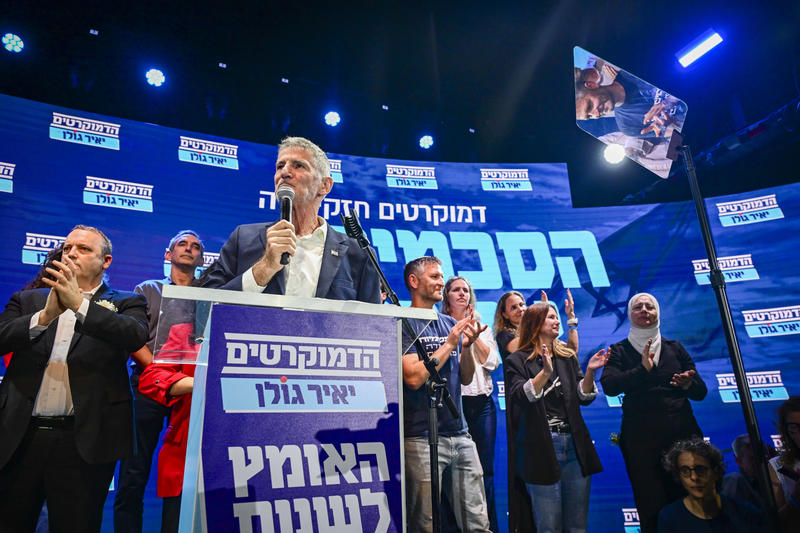
- This time Yair Golan leads the Democrats – a united amalgamation of Labour and Meretz and Balad will this time rejoin the Joint List.
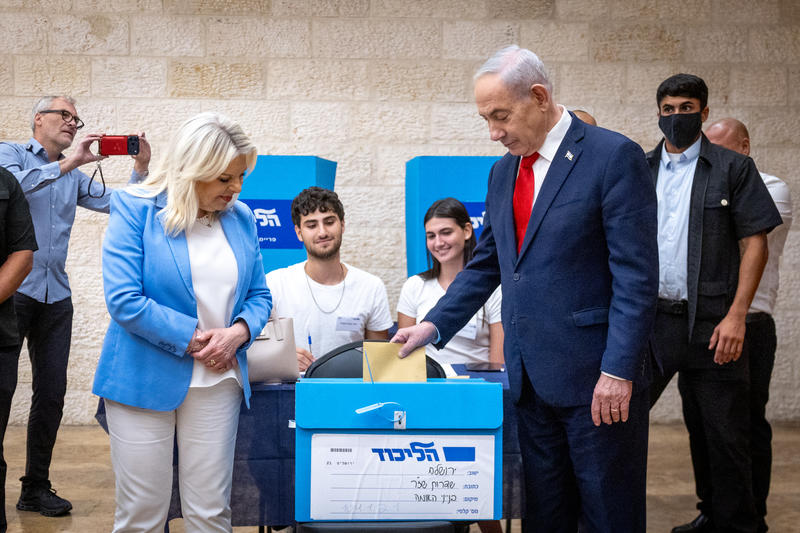
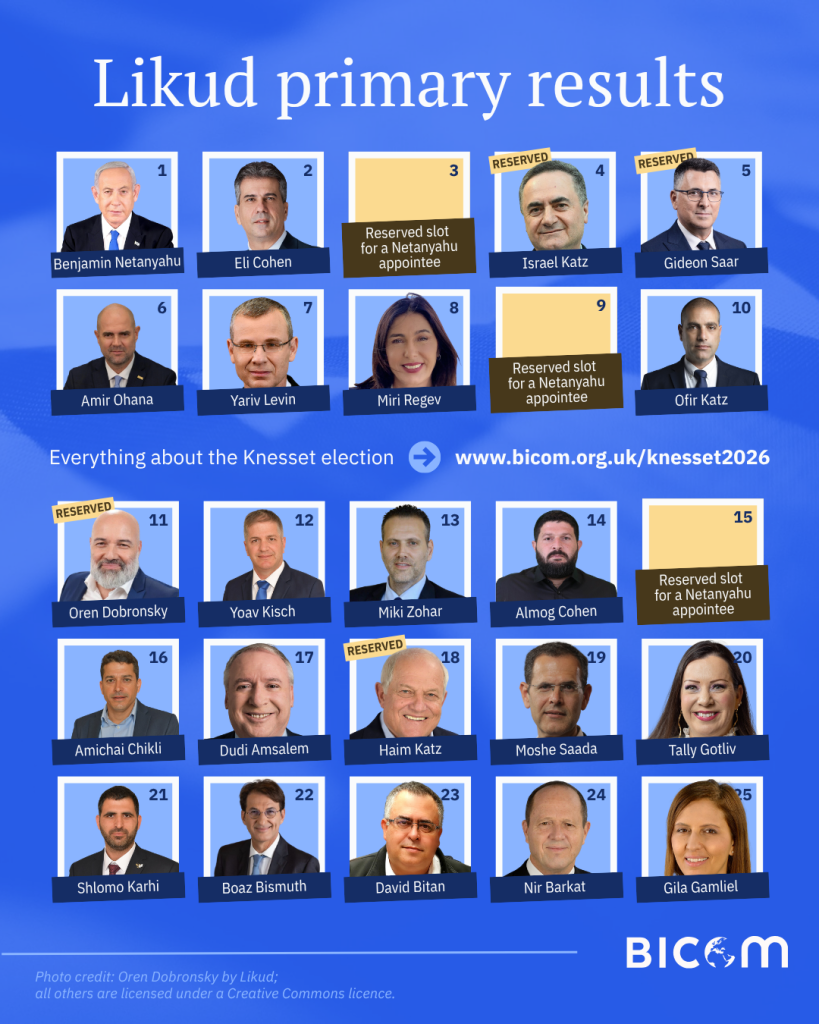
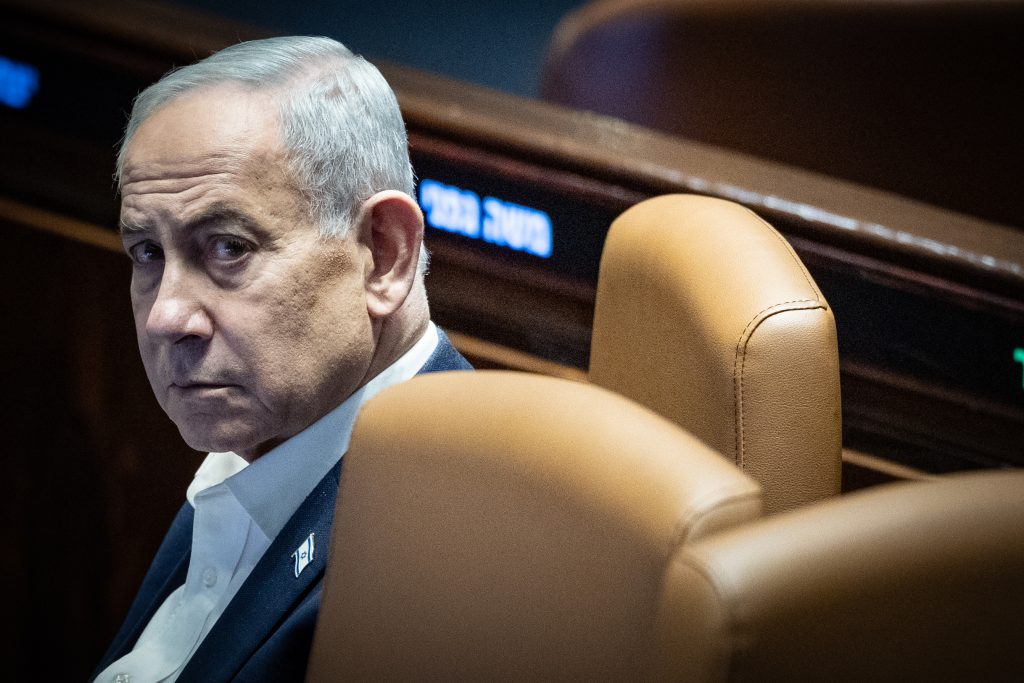
- Conspicuous by its absence in announcements, Prime Minister Netanyahu has not yet completed filling his allotted spots on the Likud list. One explanation relates to his ongoing efforts to persuade Ofer Winter to drop his independent run and accept the vacant positions on the Likud’s list. Alternately Netanyahu would be satisfied if Winter would join Bezalel Smotrich’s list with Moshe Feiglin.
- Winter seems insistent on running independently as he and his party see themselves as representing new blood into politics and they do not want to be directly tied to any politician associated with the October 7 failures. Nevertheless, Winter has committed to recommending Netanyahu as his candidate for prime minister.
- It was thought that Netanyahu was looking to recruit ‘star names’ such as former Mossad Director Yossi Cohen or former IDF Chief of Staff Gabi Ashkenazi, but neither seem keen to join. Other names that Netanyahu could draft in include Beer Sheva Mayor Ruvik Danilovitz. Other prominent Likud mayors including Modiin-Maccabim-Reut Mayor Haim Bibas and Dimona Mayor Benny Biton have apparently both declined. Another name touted is former minister Ayelet Shaked who could also join the list.
- The removal of Gotliv places even greater emphasis on Likud to promote more women, currently notably absent from their list. Ben Gvir believes the addition of Gotliv is likely to add one seat to the party’s Knesset representation, while the Likud believes Gotliv’s departure will decrease damage to the party’s image in the eyes of moderate right-wing voters.
- The decision of Erdan and Edelstein dropping out is a significant blow to them personally and to their agenda. They wanted to serve as a bridge, representing right-wing voters that would not automatically be viewed as part of Netanyahu’s bloc. They wanted to see a broad government formed, without being a centrist party. It appears this experiment has failed. Although broad swaths of the Israeli public might be happy to see a broad unity government, they are not prepared to vote for a small party that will extort the governing party.
Looking ahead: Representatives of the parties will arrive at the Knesset later today and tomorrow to submit their election states to Central Elections Committee Chairman Justice Noam Sohlberg. The party representatives will submit the names of their candidates as well as the parties’ preferred ballot letter code.
- Netanyahu has yet to fill five spots at his disposal.