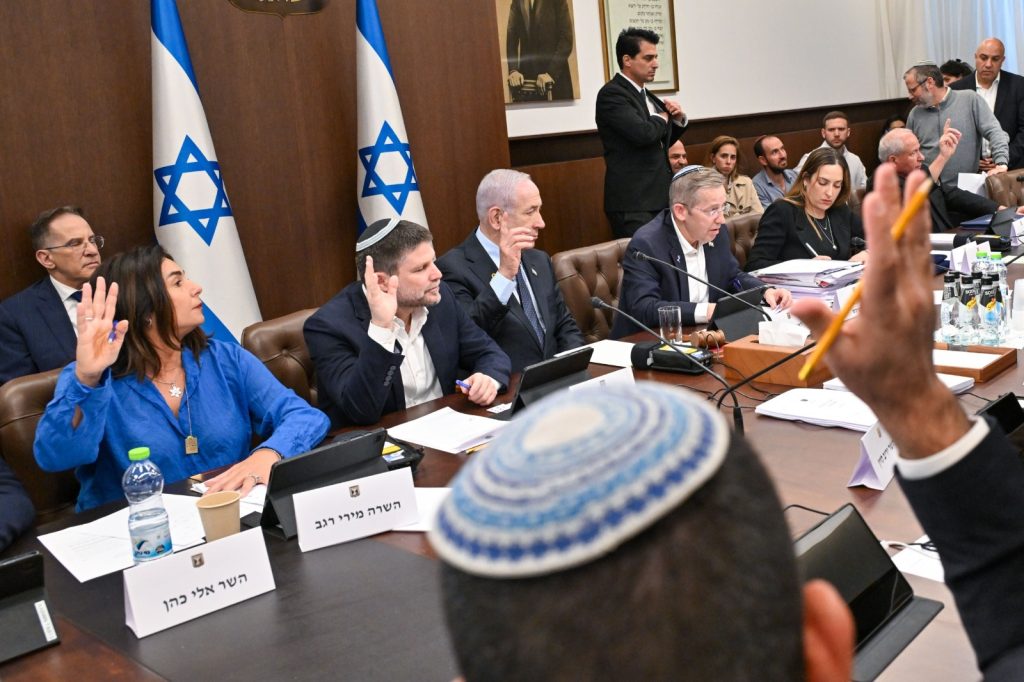
What’s happened: On Friday the cabinet approved the state budget for the upcoming year.
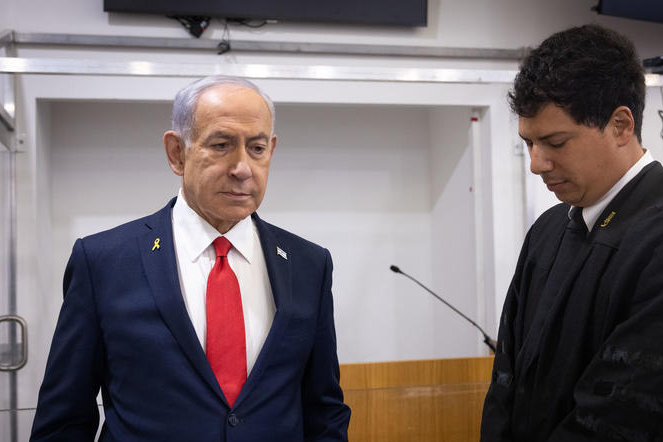
- Prime Minister Netanyahu described it as a “responsible, balanced budget,” that “meets all the security needs of the State of Israel.”
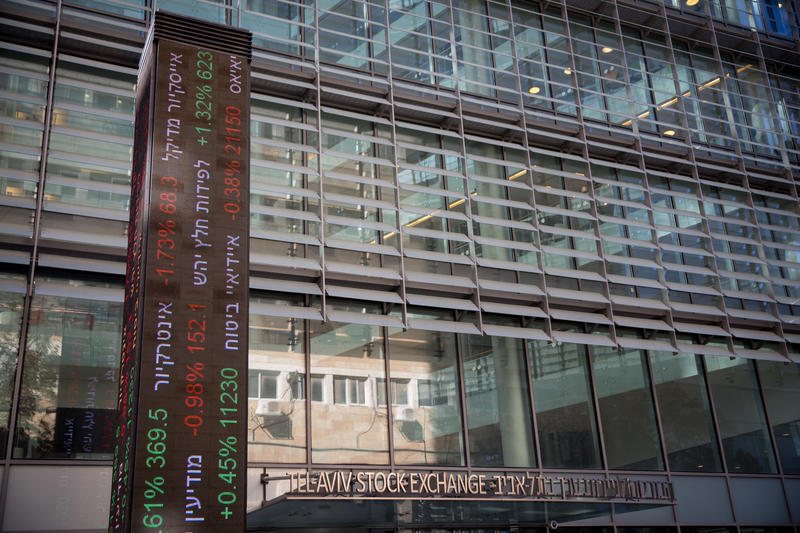
- Beyond the military achievements over the last year, Netanyahu also highlighted the country’s economic strength, “Investments are flowing and will continue to flow. The stock market is breaking records. The shekel has strengthened. Interest rates have dropped and unemployment is at a low. And all this during a war. No one believed this either, but we believed, you believed, Minister of Finance, and we did it together.”
- “In the current budget, we intend to lower taxes, including income tax. We also intend to reduce regulation and streamline our governmental systems.” According to Netanyahu, the “most important thing in this budget is aid and grants for IDF soldiers in the standing army and in the reserves, and for their families, because they deserve it. We will grant them all the support they need, a framework we have already built, and it will grow even larger. Together, we are presenting a good budget for the State of Israel, and I am certain that this budget will pass.”
- The proposed budget amounts to 662 billion shekels (about £154 billion) and would leave the government with an operating deficit of 3.9 per cent of GDP.
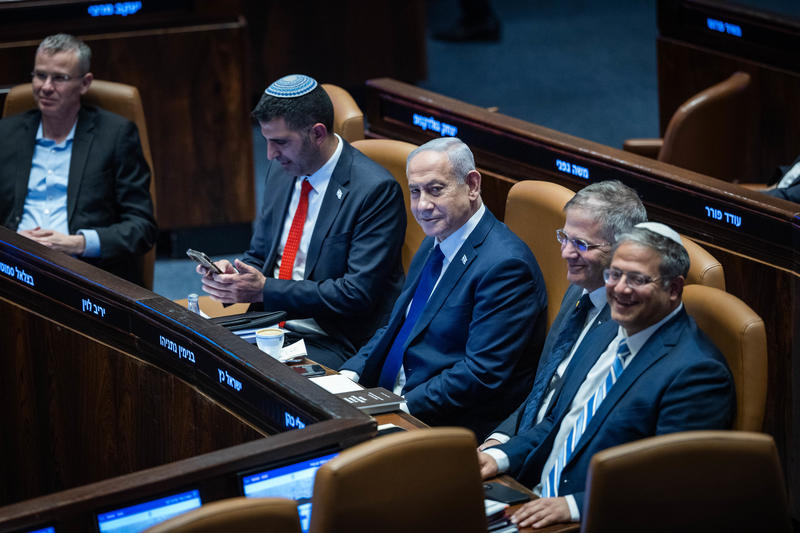
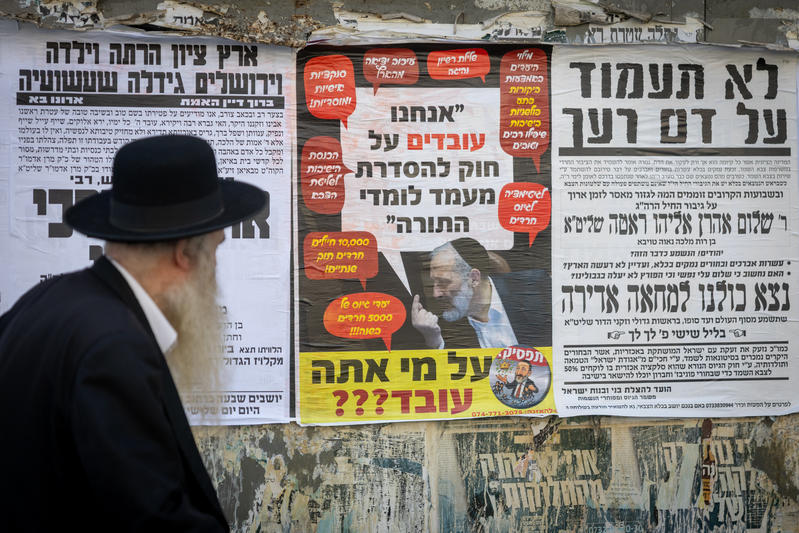
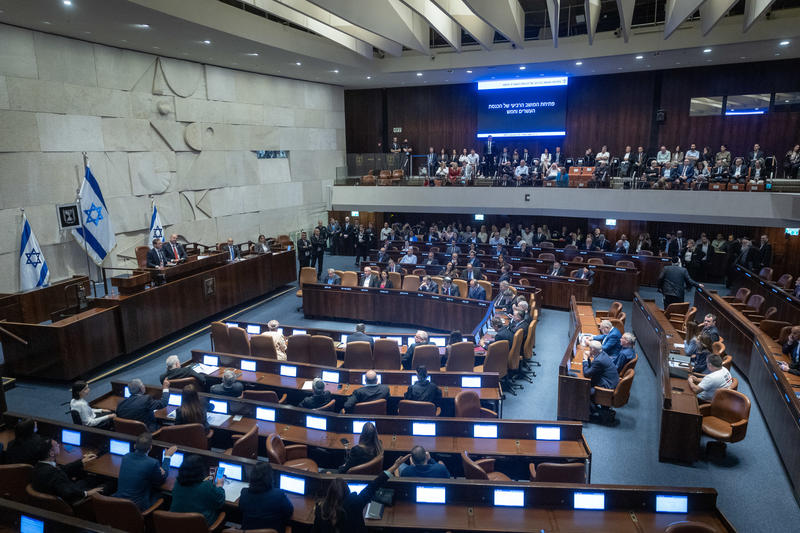
- On Monday, Netanyahu was forced to attend a Knesset session triggered by 40 signatures from the opposition. Addressing the plenary, Netanyahu said that the government was also on the verge of completing the first stage a bill which would regulate draft exemptions for the ultra-Orthodox public.
- Leader of the Opposition Lapid blasted the Government for “approving a budget of corruption and draft-dodging.”
- Naftali Bennett, widely seen as a leading contender to replace Netanyahu as prime minister in the next election derided the budget as a “protection” racket of a Government“extorted by draft-dodgers, and bankrupting those who serve.”
Context: The process of cabinet approval of a government budget proposal was, in comparison to most years in Israel, unusually late and remarkably drama-free.
- Normally, the government finishes its proposal by July, and from there the budget moves to parliament. This year, Prime Minister Netanyahu preferred to hold off until after the fighting in Gaza (and elsewhere) ended before bringing a detailed proposal for the defence budget.
- There was a political calculation too. The unresolved dispute over the ultra-Orthodox draft exemption legislation threatened to topple the government over the past year and trigger early elections, and as long as that threat hovered over the horizon, there was little to be gained publicising potentially unpopular tax increases and spending cuts that might never have been implemented anyway.
- The draft dispute is also a principal reason why the budget resolution in cabinet was significantly less contentious than in previous years. The ultra-Orthodox representatives are currently not part of the cabinet as part of their pressure campaign on the draft issue, although they are not voting with the opposition.
- Crucially in order to pass the budget in parliament the government needs the ultra-Orthodox MKs in order to have a majority. They will only support the budget if they also receive the legislation over military exemption that they are pursuing.
- The biggest disagreement in the lead-up to Friday’s budget vote was regarding the defence budget. The initial gaps were enormous, with the Defence Ministry asking for 140 billion shekels (£33 billion) and the Treasury only granting 90 billion (around £21 billion). A revised downward estimate of reserve army service, a large drain on the defence budget since the October 7 war broke out, paved the way for a compromise on the figure of 112 billion shekels (£26 billion).
- Overall, this year’s budget has less dramatic reforms than last year’s. Income tax brackets are once more inflation-linked – after having been frozen last year which lead to higher tax rates for middle class families.
- VAT exemptions on personal imports were raised, despite industry opposition to the measure. A dramatic reduction in dairy import tariffs was included in the budget proposal despite fierce opposition from local dairy farmers.
- On the other hand, the Treasury proposal to end the VAT exemption on tourism-related services, especially hotels, was successfully blocked following pressure from hoteliers. This policy has featured in many budget proposals over the years and never passed, though this year it survived to a very late stage before being abandoned.
- There are many sectors that face economic hardships due to the war, including reservists and those evacuated from their homes in the north and south. There is also an understanding that those who survived the attacks, as well as those wounded and bereaved, all require and deserve full rehabilitation.
- The Treasury was expected to propose shutting down at least five and possibly more Government ministries seen as superfluous. Expectations were that such a proposal would ultimately be whittled down or dropped entirely, but in the end the Treasury did not even include this measure as a proposal at all.
- The budget proposal also included what in Israel are indelicately referred to as “coalition funds,” last-minute earmarks for narrow sectoral interests. The total of these earmarks was 5.2 billion shekels, and they went almost entirely to religious institutions, with the majority of the money directed toward West Bank settlements.
Looking ahead: Historically, no Israeli government has ever successfully passed a budget in an election year.
- The budget now moves to its first plenary reading in the Knesset and then to parliamentary committee discussions. By law, the Knesset has until March 31 to pass a budget. Failure to do so would automatically dissolve parliament and lead to elections within three months.
- Elections are currently scheduled for October 2026, so even in the event that a budget is not passed, this would only move the next election up by four months.