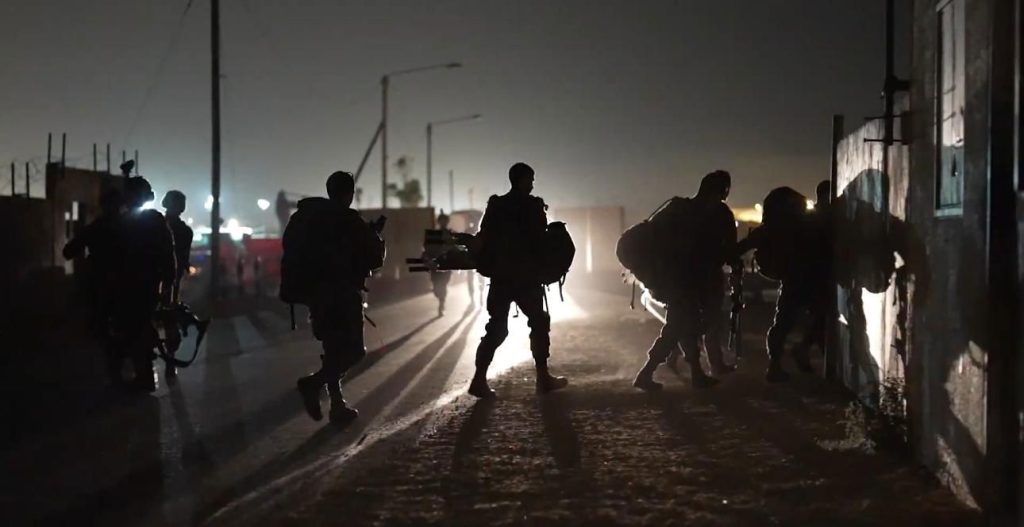
What’s happened: The IDF has indicated that it has now “begun destroying Hamas infrastructure in Gaza City”, suggesting that its promised offensive has now begun earlier than anticipated. Israeli tanks were reported in Gaza City, and it is estimated that approximately 350,000 have evacuated to different parts of the Gaza Strip.
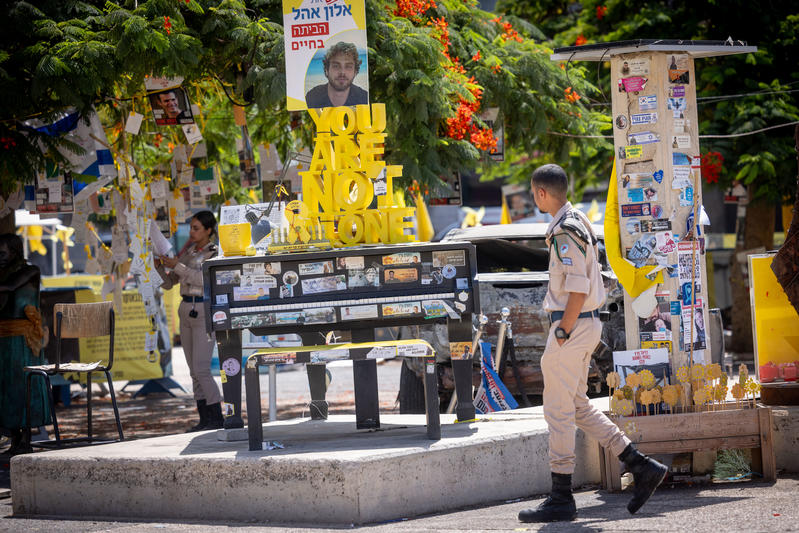
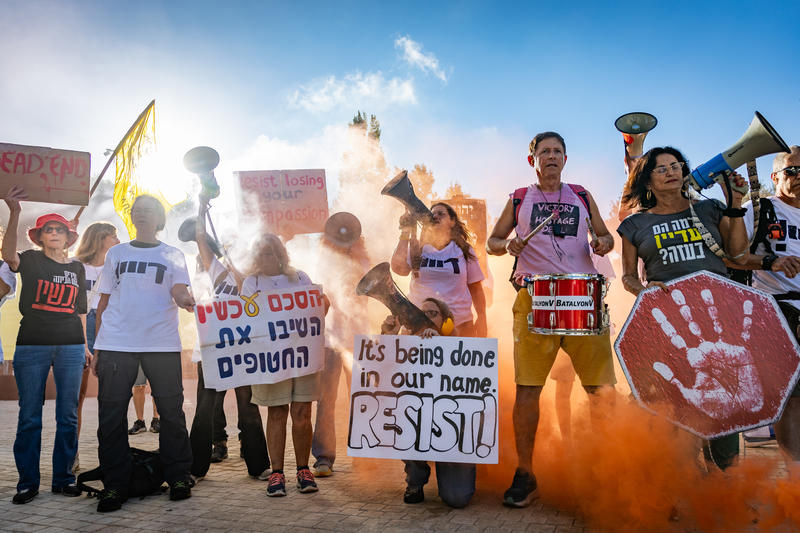
- Objectives remain unchanged, namely dismantling Hamas and bringing the hostages home.
- Two divisions are operating, and more will join them in due course. The IDF is working to set the conditions for civilians to distance themselves from combat zones and move into humanitarian areas.
- Now that this offensive has begun, its priorities will be encircling and operating deeper within Gaza City. It follows close to two years of war since Hamas’s attacks on southern Israel on 7th October 2023, and is hoped to dismantle the terrorist group in its final bastion in the Gaza Strip.
- Approximately 60,000 reservists were called up for this operation, augmenting the 70,000 already in reserve service.
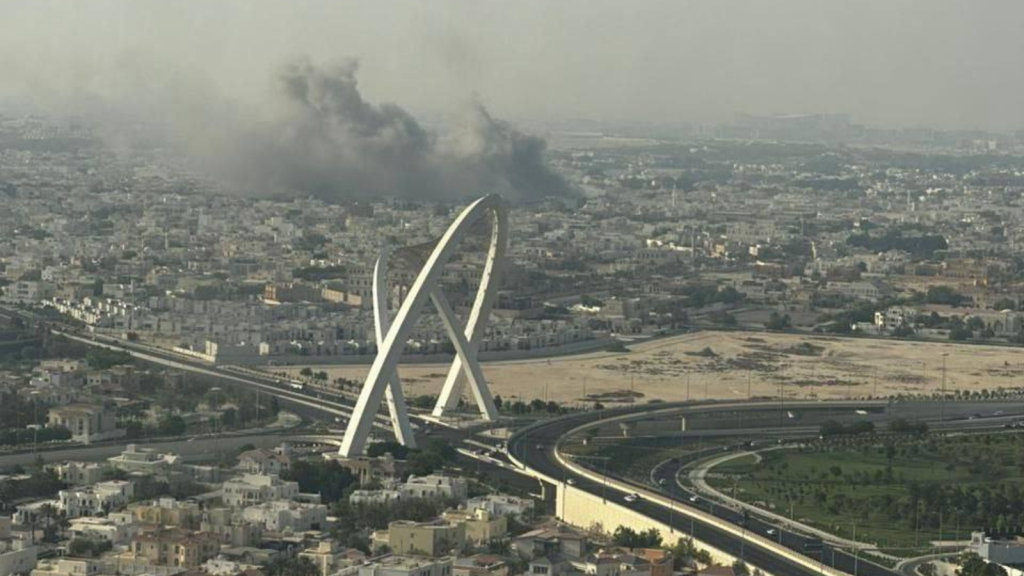
- Following Israel’s air strikes on Doha last week, Arab and Islamic leaders have met at an emergency summit convened in the Qatari capital. A joint Arab League and Organisation of Islamic Cooperation session, it included close to sixty countries including both Iran, all three Arab Abraham Accords signatories (the UAE, Bahrain, and Morocco), as well as Egypt and Jordan.
- The summit was concluded with a joint statement calling for “all states to take all possible legal and effective measures to prevent Israel from continuing its actions against the Palestinian people…[including] reviewing diplomatic and economic relations with it, and initiating legal proceedings against it”, though it is unclear what practical steps will be taken in its aftermath, if any.
- Commenting at the summit, the Iranian President, Masoud Pezeshkian, alleged that last week’s airstrike amounted to “pure terrorism”, and that no Arab or Muslim capital was safe from similar strikes. This condemnation comes despite Iran themselves also firing a ballistic missile at US bases in Qatar in June.
- Qatar’s Emir, Sheikh Tamim bin Hamad Al Thani, accused Israel of having no genuine interest in peace, attempting “to thwart negotiations”, and pledged to “do whatever is necessary to preserve our sovereignty and confront Israeli aggression.”
- It is unclear how Qatar may do this, especially given its post-strike statements that it will continue to mediate ceasefire and hostage release negotiations between Israel and Hamas.
- Egypt has also reportedly called for the establishment of a Cairo-based joint Arab military command that would operate in a similar manner to NATO, providing assurances of mutual defence against external aggression and attacks.
- Despite their attendance at the Doha summit and prior statements condemning Israel’s air strikes, none of the Abraham Accords signatory countries sent heads of state, instead being represented by senior officials.
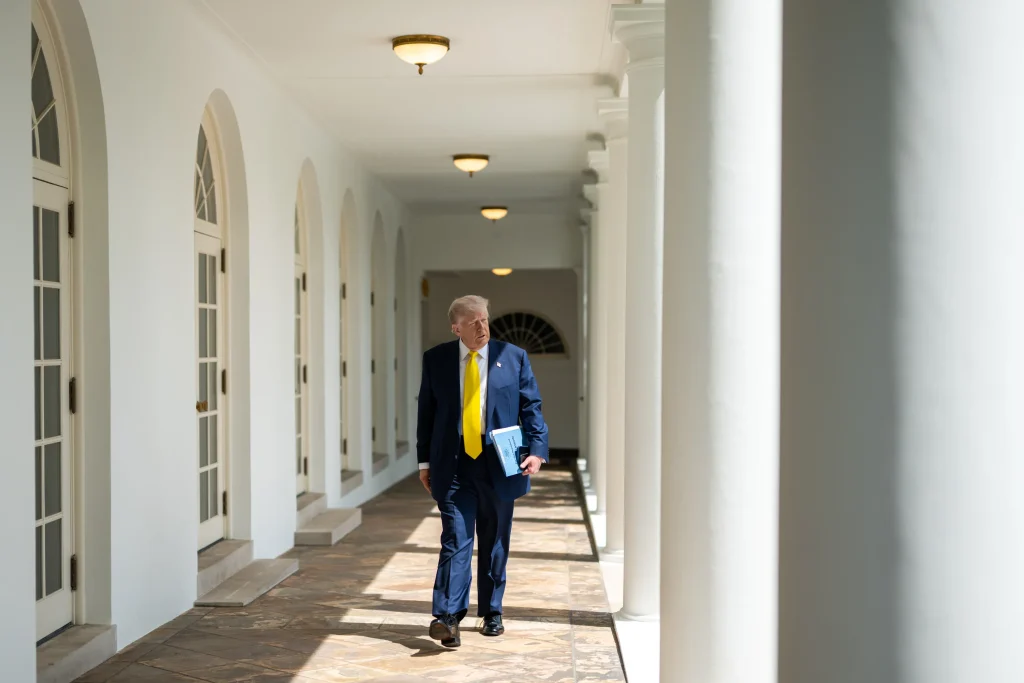
Context: US Secretary of State Rubio is partway through a regional trip to visit both Israel and Qatar. He is now due to visit the UK for meetings with the Foreign Secretary, Yvette Cooper, and “to join President Trump’s delegation for his unprecedented second State Visit.”
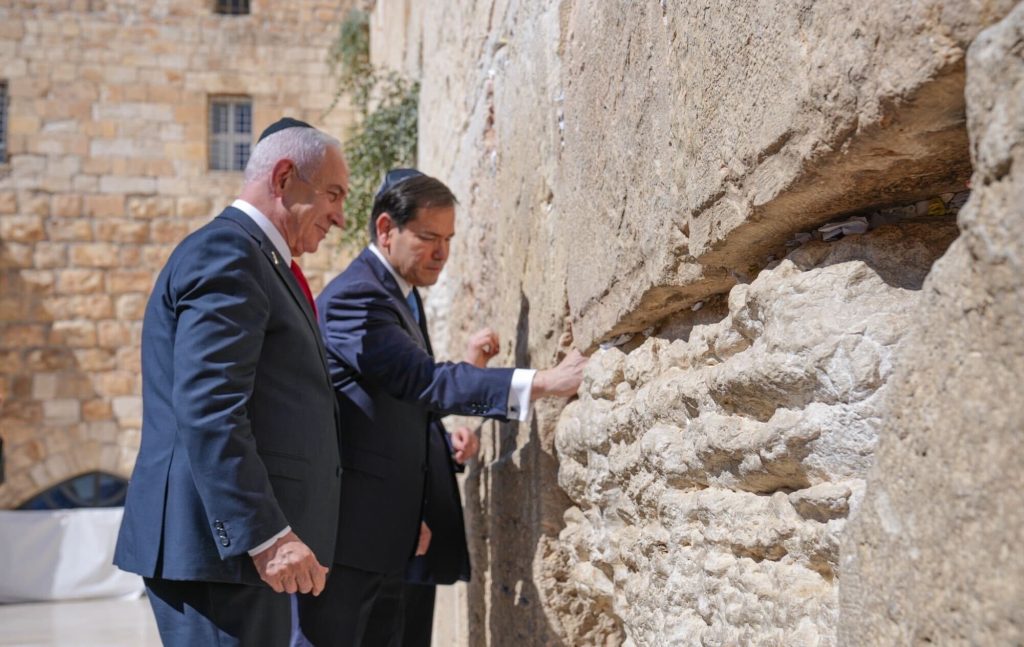
- While in Israel, Rubio reaffirmed that Washington’s priorities were the release of Israeli hostages and the destruction of Hamas, and refrained from directly criticising the Doha air strike in his public comments alongside Netanyahu.
- Earlier this morning while travelling to Doha, Rubio also warned of a “short window” in which to secure a ceasefire in Gaza while praising Qatar for its ongoing mediation of negotiations between Israel and Hamas.
- In a speech on Monday, Prime Minister Netanyahu also admitted that Israel was becoming increasingly isolated at a conference hosted by the Finance Ministry, specifically blaming Muslim immigration within the EU and online Qatari and Chinese propaganda.
- Netanyahu said part of this isolation was economic, with Israel needing to become more self-reliant. The Prime Minister singled out the arms industry as one where Israel would come to rely more on domestic production than on trade, expressing out loud what has been a growing consensus in Israel since the war began nearly two years ago.
- In the part of the speech that was most quoted, especially by critics of the Prime Minister, he said, “We are Athens and Sparta. But we’re going to be Athens and super-Sparta.”
- Leader of the Opposition Yair Lapid responded that “isolation isn’t fate, it’s the product of the wrong and failing policies of Netanyahu and his government,” while former Prime Minister Ehud Barak said, “’Super Sparta’ is the end of the country: economically, politically and militarily.”
Looking ahead: Last night, Canada, France, Egypt, Jordan, Qatar and UK held a call to discuss “advancing peace”. Chaired by President Macron of France, a subsequent readout said that “all leaders agreed that the focus must remain on advancing peace and security, including reaching a lasting ceasefire, securing the release of all hostages and the disarmament of Hamas, and scaling up flows of life-saving assistance for Palestinian civilians.”
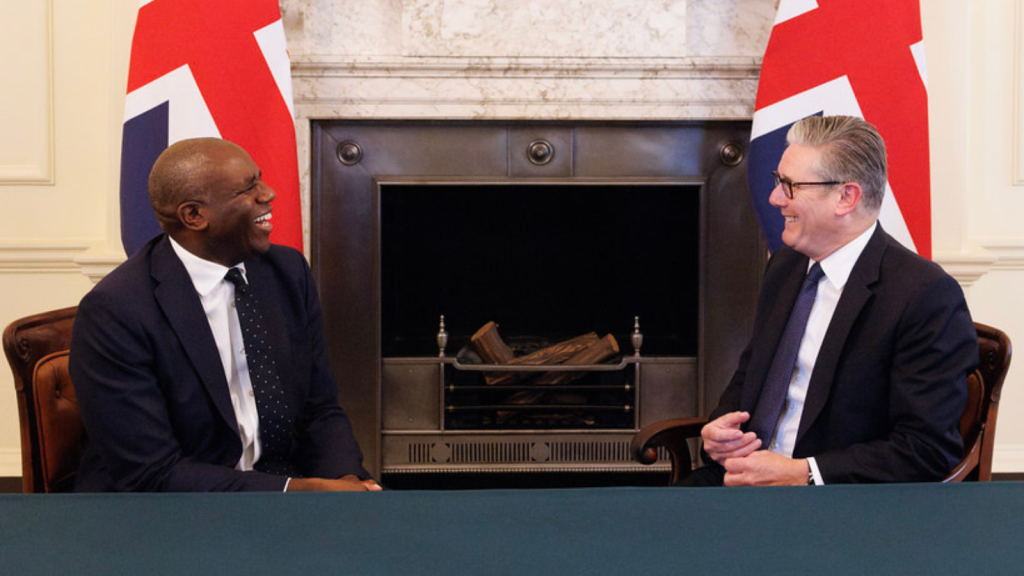
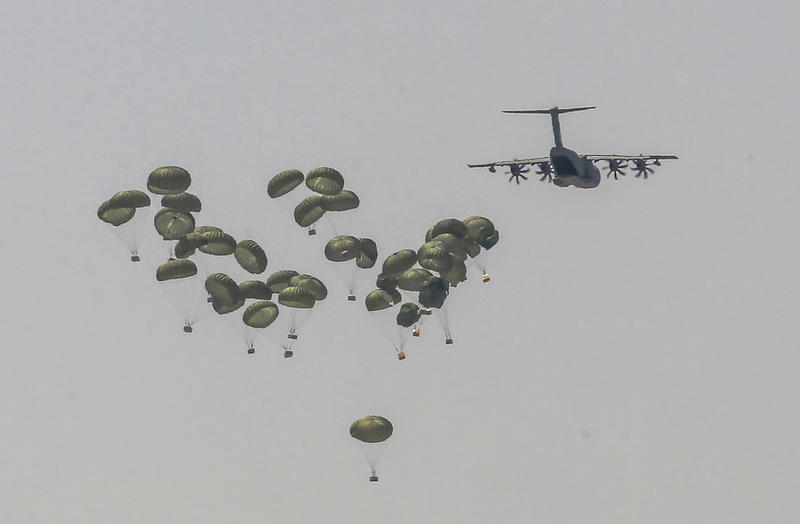
- Ahead of President Trump and Secretary Rubio’s visit to London, it is likely that Prime Minister Starmer will raise these points, and attempt to further align the UK and US in calling for and advancing an immediate ceasefire and the release of hostages in Gaza, as well as increased aid provision.