
What’s happening: White House envoy to the Middle East Witkoff has joined the talks in Qatar to try and secure a deal to release more hostages.
- The talks are being held with the Israeli delegation alongside the Egyptian, Jordanian, Qatari and UAE foreign ministers.
- According to reports, the focus of the negotiations is a version of the ‘Witkoff Plan’ that includes:
- Hamas releasing ten hostages (presumably all will be alive).
- In exchange Israel will release hundreds of Palestinian prisoners (at a higher ratio than earlier deals) including convicted terrorists serving long sentences.
- Israel will resume the entrance of humanitarian aid and amenities, potentially at a greater volume than before.
- The ceasefire will be extended for a couple of months that will include Passover and Israel’s Independence Day (1st May).
- On Wednesday, Prime Minister Netanyahu held consultations with the Israeli negotiators to coordinate their stance ahead of the Doha talks.
- He also held a meeting with senior security officials to approve military plans for the Gaza Strip if the negotiations fail.
- Israel media reported that despite the publicised tension with the prime minister, head of the Shin Bet, Ronen Bar attended both meetings.
- In Washington President Trump appeared to backtrack on his plan to resettle Gazans outside of the Strip, saying, “nobody’s expelling any Palestinians.”
Context: There remains a high level of anguish in Israeli society to secure the release of all the remaining hostages.
- This has been compounded by the accounts of recently released hostages that describe horrific conditions of their captivity, including being kept underground, beaten and tortured, and fed morsels of sometimes rotten food.
- 59 hostages remain in captivity now for 524 days. Of them only 24 are alive, with 35 thought to have been killed.
- As a result of information garnered from released hostages, the family of Avinatan Or received their first indication that he is still alive, but being held in horrific conditions.
- In the absence of the agreement, there has not yet been a return to fighting, but the IDF has presented a plan to the government as a contingency. The credibility of the military threat, which may be more intense that previous fighting, is intended to pressure Hamas into a deal.
- Alongside military action, the new IDF Chief of Staff, Lt Gen Zamir is proposing that the IDF will take over the delivery of aid to Gazans as the only way to ensure Hamas does not profit from the aid. The previous chief of staff was reluctant to take this on, out of concern that it be perceived as military responsibility for the civilian population.
- Hamas appear to be particularly satisfied with the revelation that they held direct talks with a US officials, as this broke the long held diplomatic veto by western liberal members of the international community. However US officials played down its significance with Secretary of State Rubio referring to it as a “one-off” that “hasn’t borne fruit.”
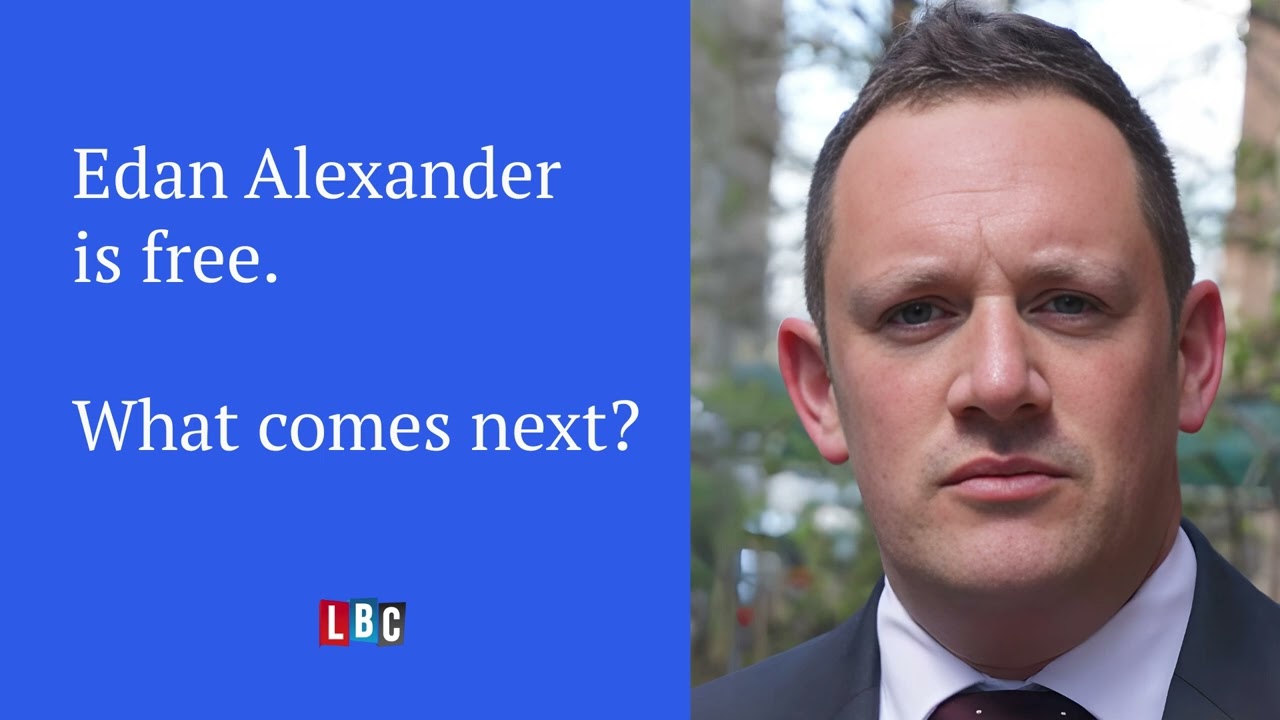
- There remains residual concerns that if no agreement is reached the US will do a side deal to secure the remaining hostages with US citizenship (Edan Alexander and the bodies of four murdered hostages). It is also possible that they could be released by Hamas as a goodwill gesture, that could further appeal to President Trump.
- Overall, it appears US and Israel remain well coordinated. During a meeting in Jeddah earlier this week, Secretary Rubio told Saudi Crown Prince Mohamed bin Salman, that the US insists that Hamas have no role in any solution for postwar Gaza. Similarly Israeli Foreign Minister Saar has again emphasised that “the war in Gaza will not end without the demilitarisation of Gaza Strip.”
- Israel is caught in a bind regarding the Witkoff framework. On one hand, the release of ten more living hostages is highly sought. On the other, it calls into question the fate of those who remain. From Hamas’s perspective, they could agree to this deal, as long as they retain some of the captives as an insurance policy to ensure their survival.
Looking ahead: Despite no breakthrough yet, the fact that the Israeli delegation has not been recalled gives hope that there is still hope a deal can be reached. The next few days are once more seen as critical.
- Later today the IDF will present their latest internal investigation, this time focusing on kibbutz Nir Oz.
- According to consistent polling, there remains a large majority of the Israeli public in favour of forming an independent state commission of inquiry into October 7th. Last night President Herzog once more endorsed his support for such a commission. So far the government has been unwilling to sanction it.