What’s happened: On a backdrop of negotiations for a comprehensive US-Iran agreement, low intensity exchanges of fire continued in the last day.
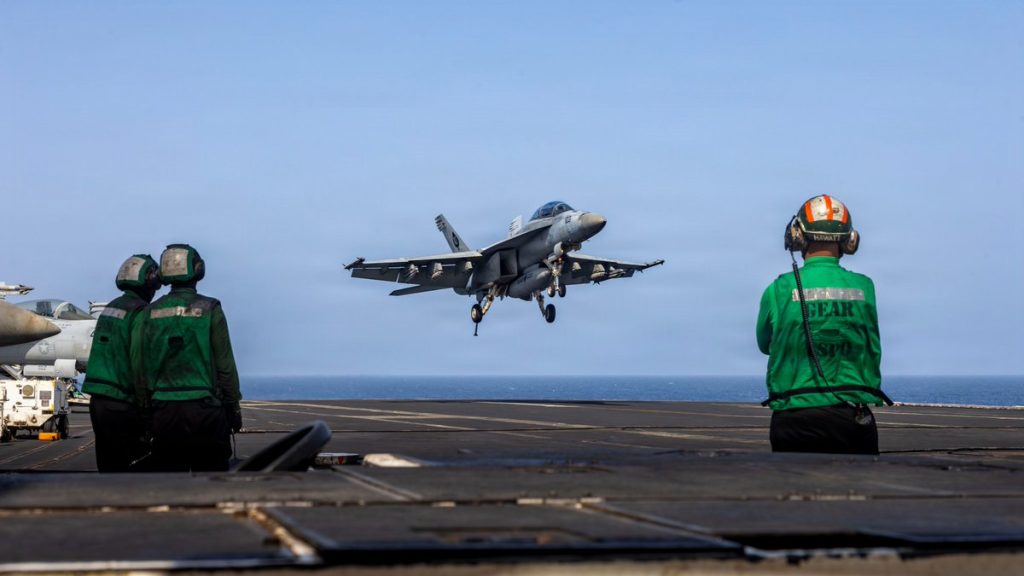
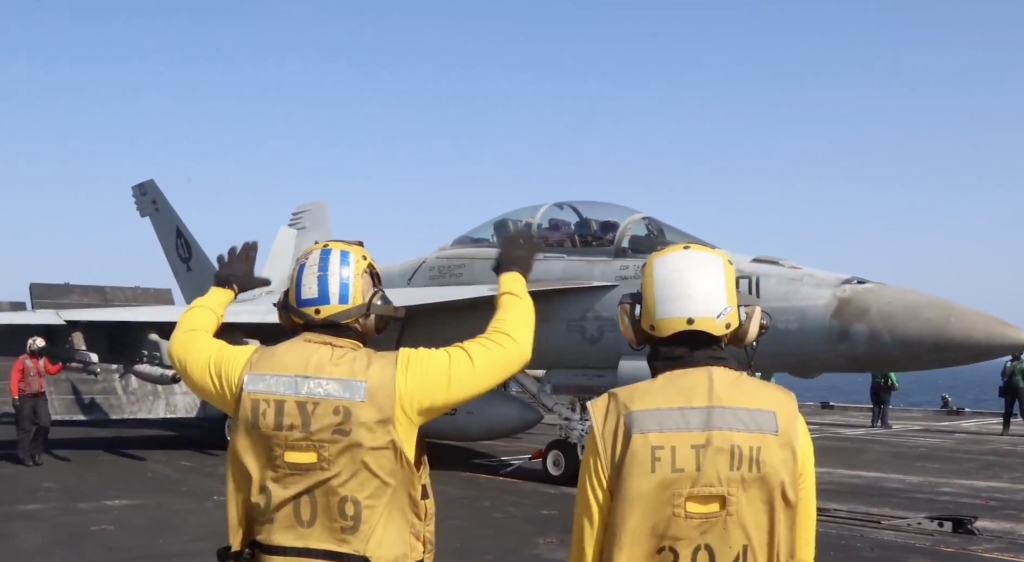
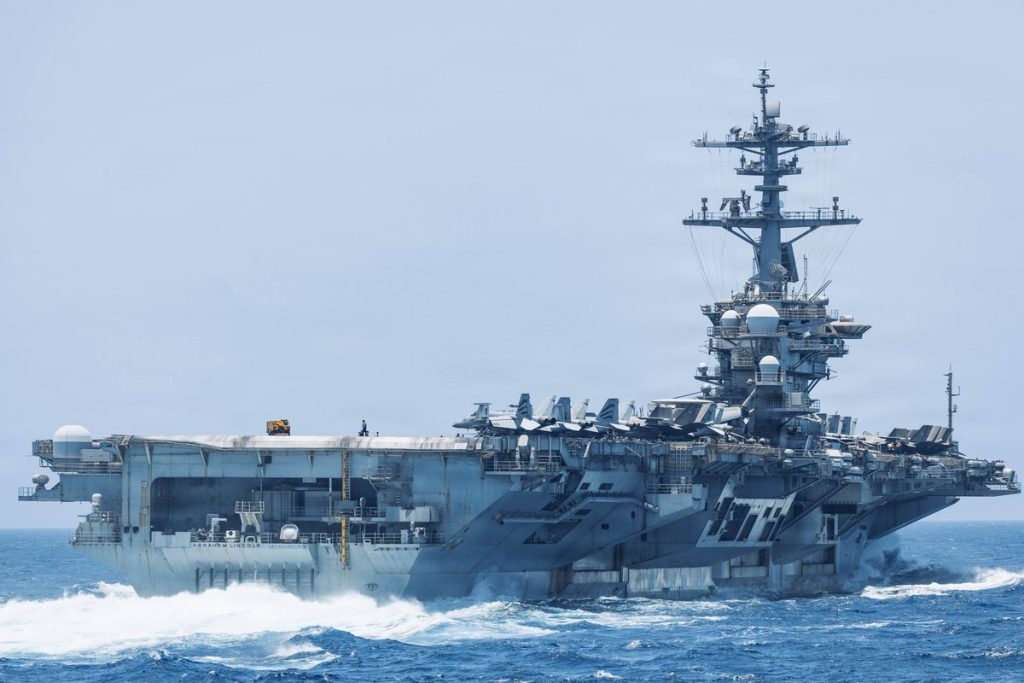
- US forces fired at a Botswana-flagged tanker that was heading toward Kharg Island in violation of the US-imposed blockade of Iranian ports. The tanker’s engine was disabled in the attack.
- Following that incident, Iran launched several drones at US bases in Kuwait and Bahrain. According to American sources, the drones fired at Kuwait “fell short or broke apart” and the ones fired at Bahrain were successfully intercepted.
- The US subsequently responded by striking an Iranian military facility on Qeshm Island.
- There were no rocket attacks on Israel’s north overnight, as a tense ceasefire held.
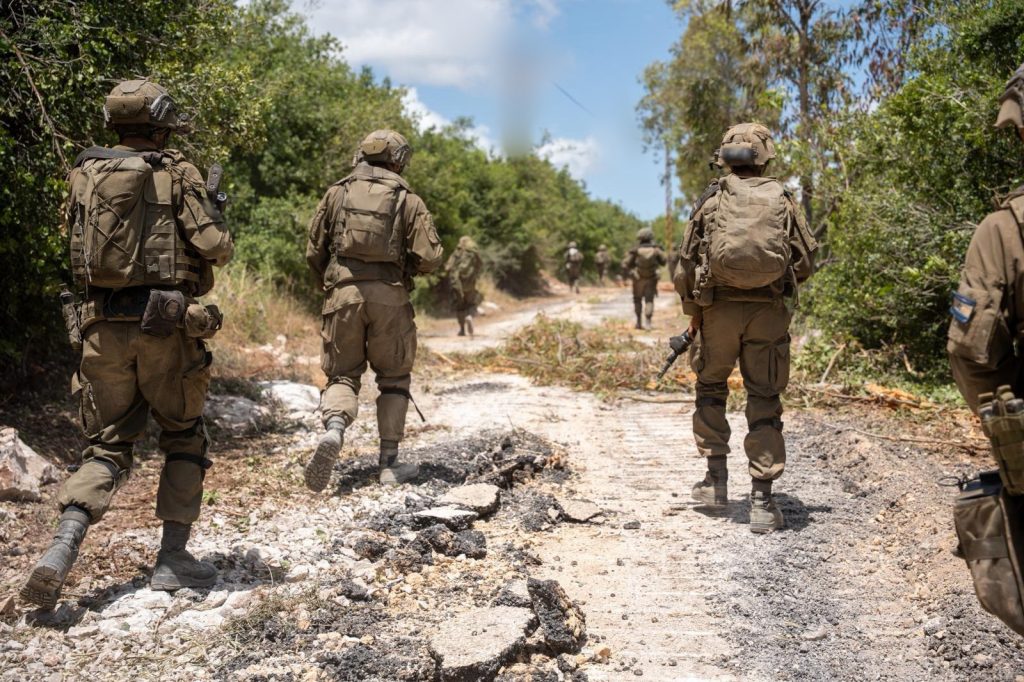
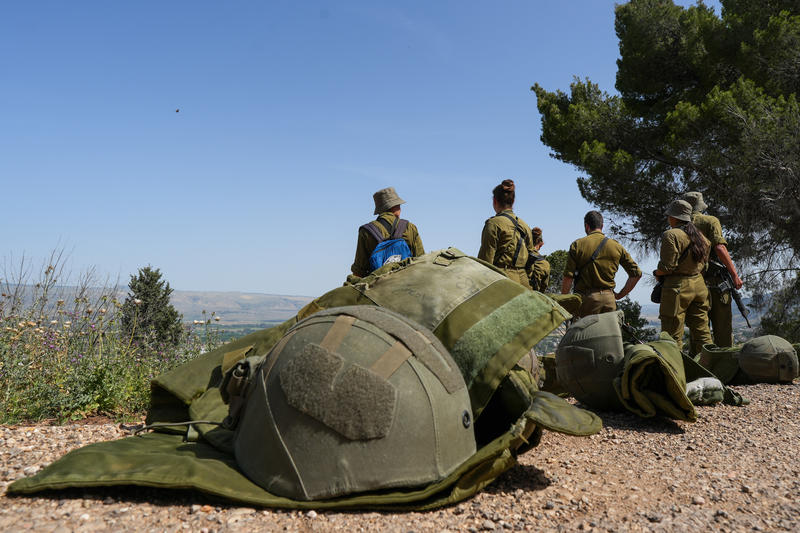
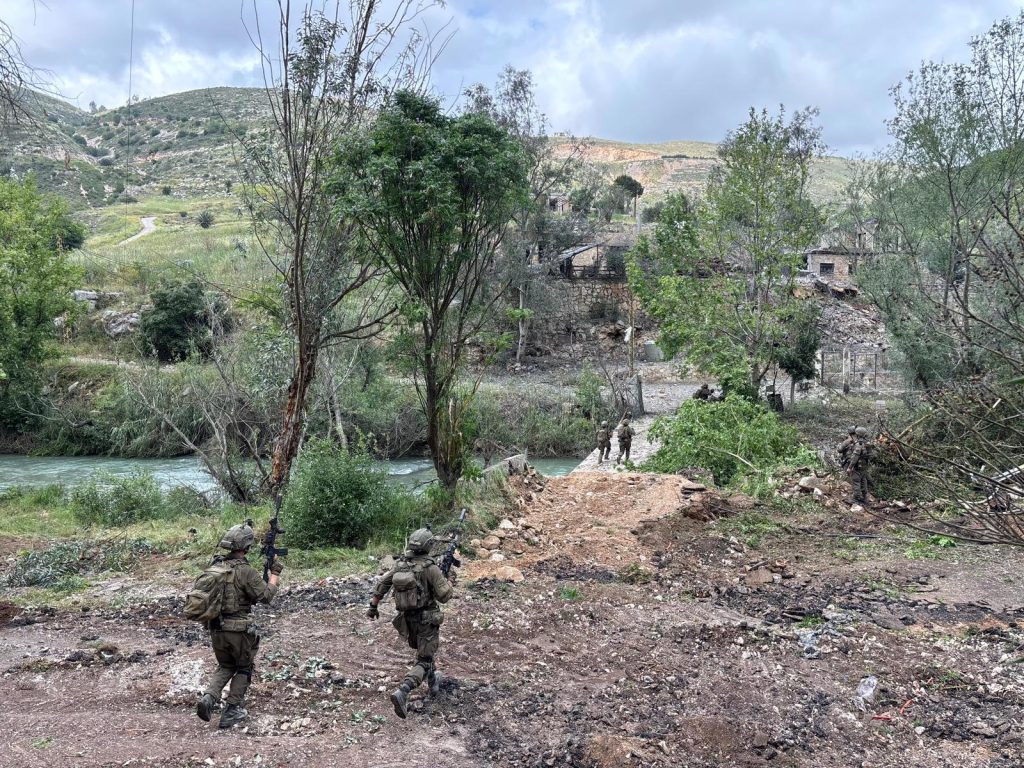
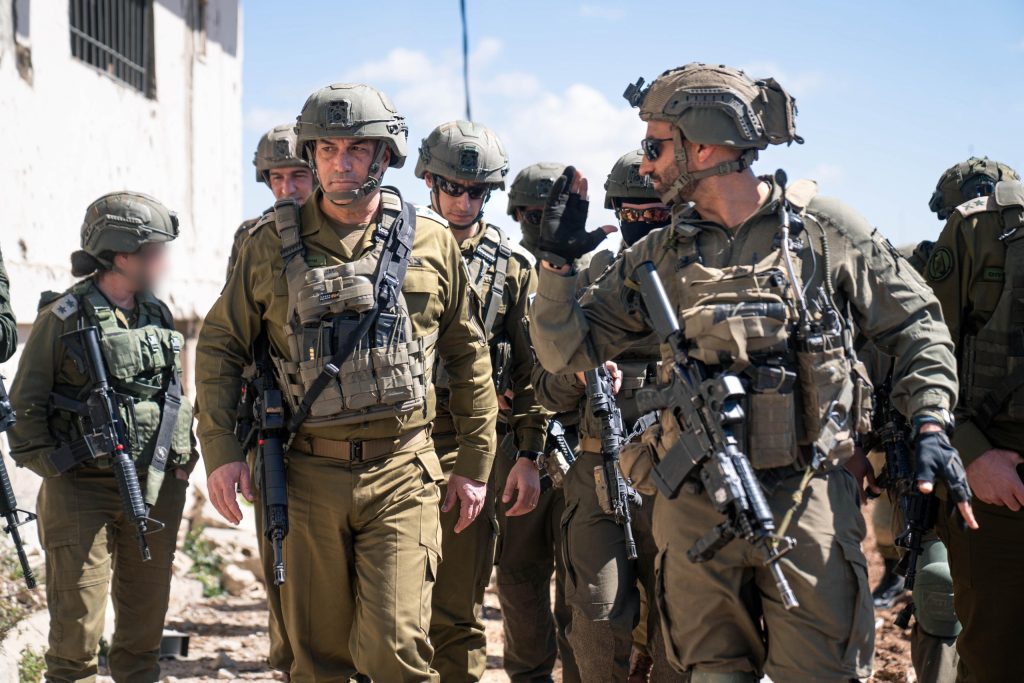
- Over recent days, Hezbollah had expanded the range of its attacks on Israel as well as keeping up a steady stream of drone attacks on IDF positions in southern Lebanon.
- An imminent attack on a Hezbollah stronghold was reportedly called off at the last minute at the insistence of the Trump administration which pressured both sides to cease fire in the last 24 hours so as not to threaten the ongoing US-Iran talks.
- The Israeli Government yesterday approved a plan for a massive investment in Israel’s battered northern communities. The plan would allocate 13 billion shekels (about £3.4 billion) in addition to the already approved 7 billion shekels from earlier decisions (about £1.8). The money will go to reconstruction, grants to small business owners, wage subsidies for hi-tech firms based in the north, and several headline projects in the Kiryat Shmona, including establishing an emergency medical facility there and a partial relocation of the nearby Tel Hai Academic College into the city itself.
- Seated next to Kiryat Shemona’s mayor, Prime Minister Netanyahu spelled out the goals of the new investment plan, and said that his Government “is committed not only to the development of the North, but also to ensuring the security of the residents. There is no containment or leniency; we are acting against every threat in real-time.”
- The new chief of Israel’s Mossad officially entered office yesterday. Roman Gofman, a major General in reserves who previously served as Prime Minister Netanyahu’s military secretary assumed his new position after the Supreme Court rejected petitions against his appointment.
- At the ceremony yesterday, Prime Minister Netanyahu noted the Mossad’s central role in Israel’s longstanding conflict with Iran, saying that it “will continue to stand at the forefront of our struggle against Iran’s aggression. In continuation of the consistent policy we have been leading for years – we will not allow the Iranian regime to turn back the clock. We will not allow it to acquire nuclear weapons; we will not allow it to threaten our existence. This terrorist regime, which is destined to vanish from the world, and we will help it reach this goal, this regime will no longer threaten us with nuclear bombs and thousands of lethal ballistic missiles.”
Context: Though the US and Iran have not yet concluded an agreement that would definitively end the war which began on February 28 this year, both sides appear to believe an agreement is in reach. This was the main reason why an Iranian threat to quit the talks unless the US could force Israel to scale back its attacks was taken so seriously by the Trump administration.
- The administration not only pressured Israel to back down from a planned strike agains Hezbollah targets in Beirut, it also leaked the contents of several tense phone calls between President Trump and Prime Minister Netanyahu.
- There were conflicting reports about what the planned strike was supposed to look like and what Trump and Netanyahu had agreed to beforehand. According to one report in Israeli media, the evacuation order for the Dahiya district in Beirut, a Hezbollah stronghold, was issued in line with an agreement between the two leaders that Israel would threaten to attack the Dahiya but not actually carry out the threat, the idea being that an imminent strike would pressure Hezbollah to agree to cease its attacks.
- At some point after the evacuation began, the Trump administration came under the impression that Israel was planning on going through with the strike and not just bluffing as had been agreed upon, and this is what led to the tense phone call between the President and the Prime Minister.
- Israeli decision-makers are concerned that the emerging deal looks similar to the understandings that held during the 1990s, under which Israel was only allowed to respond with significant military strikes if its cities in the north were attacked, while its options for military action in response to attacks on its soldiers in southern Lebanon were extremely limited.
- In the last seven years of the Security Zone (1993-2000), this understanding of the “rules of the game” led to many IDF casualties without the IDF having any real leverage over the Lebanese state or Hezbollah itself to stop them. It is particularly concerning now as Hezbollah has been able to use FPV drones to sustain a level of casualties on the Israeli side that is actually considerably higher than anything it did in the days of the unlamented Security Zone (1985-2000).
- The leaked content of tense phone calls between Trump and Netanyahu reverberated in Israeli domestic politics too. Israeli politicians and media figures, not all associated with the right, criticised the Prime Minister for capitulating to the President’s demands and not following through on his threat to attack the Dahiya. Others noted that Israel has so tightly bound itself to Trump that it has lost any freedom of action.
- It was not lost on domestic commentators that Trump explicitly invoked Netanyahu’s legal troubles as a lever of pressure on him. That he was willing to raise the topic and take credit for keeping Netanyahu out of jail (“You’d be in prison if it weren’t for me. I’m saving your ass,” Trump was reported as having said to the Prime Minster) is one thing. That someone at the White House choose to include those quotes in leaks about the phone call is even graver, both from the perspective of the Prime Minister himself and the entire political system, already wound up for an upcoming election where the question of the Prime Minister’s capacity to manage Israel’s multi-front wars while on trial for corruption is a major issue.
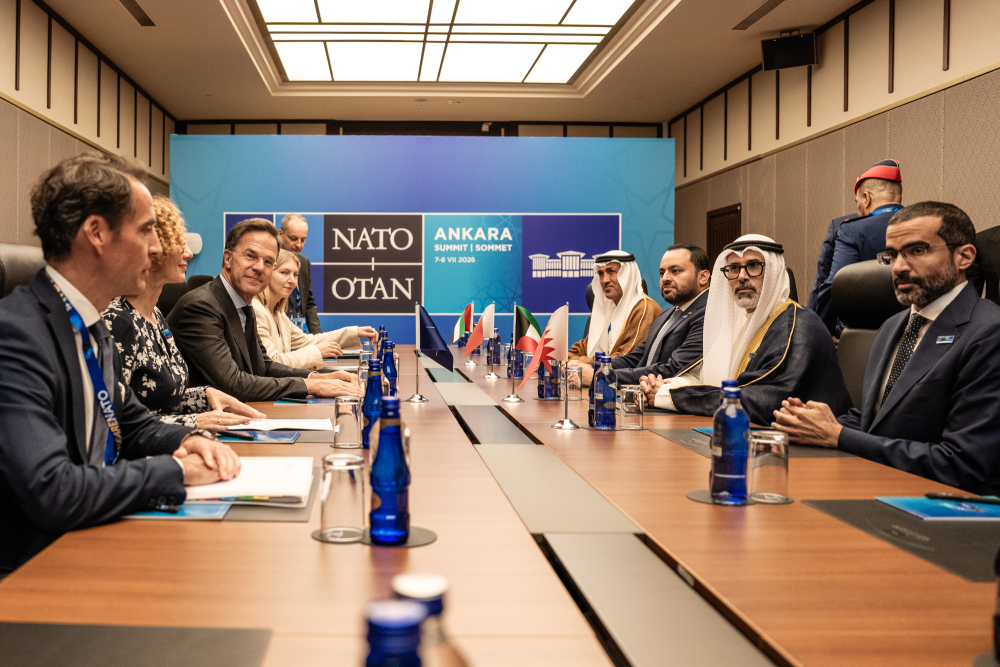
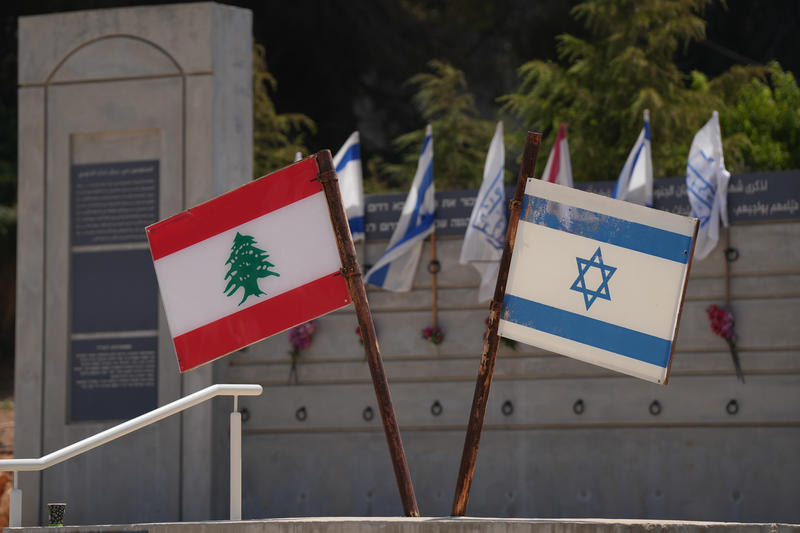
Looking ahead: The fourth round of talks between representatives of Israel and Lebanon are due to continue today in Washington. The US will reportedly propose a plan where the US will directly train Lebanese Armed Forces to deal with Hezbollah and carry out any disarmament agreed to in the talks.
- Another idea to be raised in the talks is the creation of “pilot zones,” which would be designated blocks of territory where Israeli troops would withdraw and hand over the territory directly to the LAF. Assuming Hezbollah is prevented from reestablishing its presence in the pilot zones, these could be multiplied and expanded.