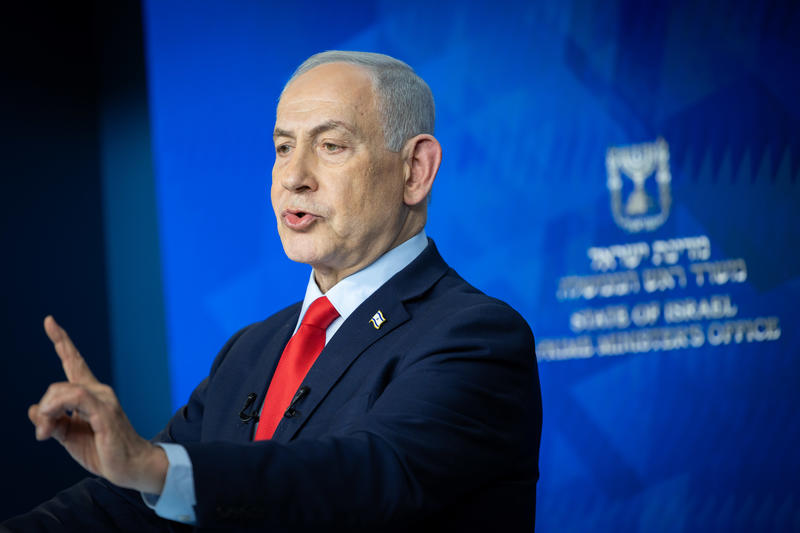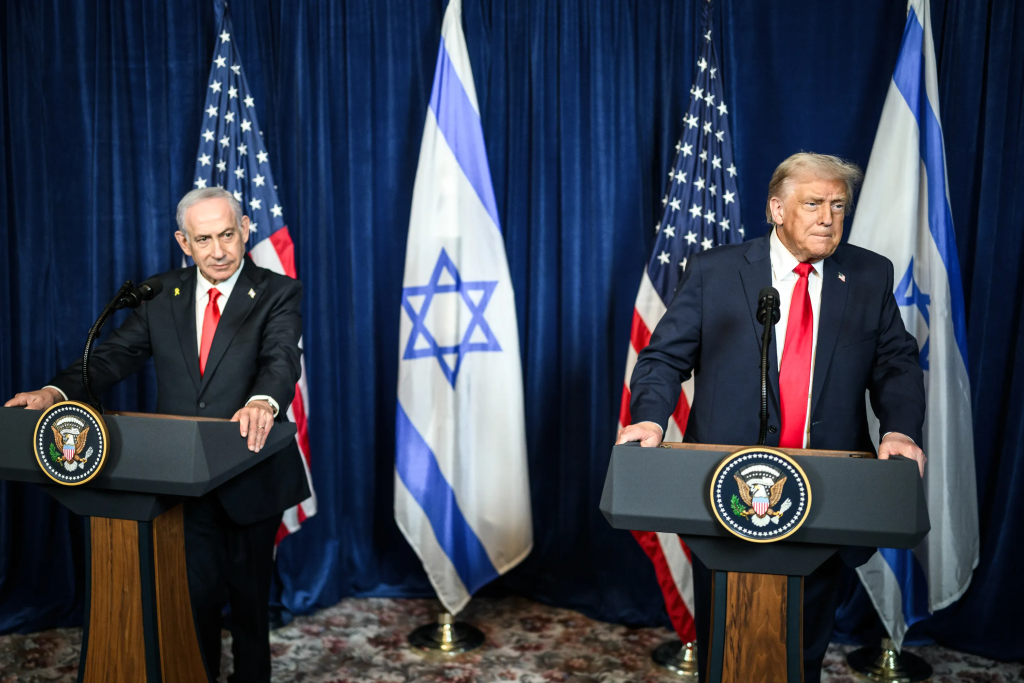
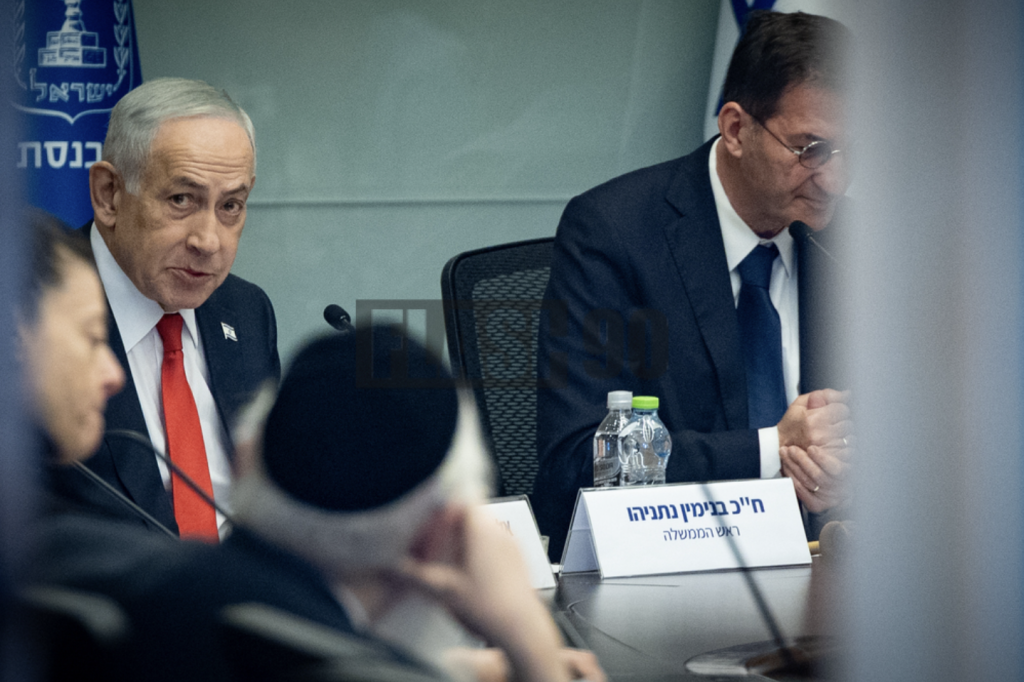
What’s happening: Prime Minister Netanyahu will set out tomorrow for Washington to meet President Trump for discussions on the Iran negotiations and the possibility of US military action in Iran.
- The announcement of a meeting between the two leaders this week came as a surprise, as Netanyahu was initially not expected in Washington until mid-February, when Trump will launch his Board of Peace. The earlier date is likely the reason that Israel’s security cabinet meeting was moved up from this Sunday to last Thursday.
- Multiple reports in Israeli media noted that the Prime Minister would be accompanied by Brig. Gen. Omer Tischler, who is slated to be the next commander of the Israeli Air Force. This was interpreted by all observers as a sign of tight coordination in planning for a military operation against Iran, should the President ultimately decide that this is the course of action he prefers.
- A round of talks held last Friday in Muscat, Oman, did not yield any agreement except to continue talks. Despite hints in the week before the Muscat talks that Iran was willing to make significant concessions on uranium enrichment as a means to bid off pressure on other issues seen as more crucial to regime survival, at the talks themselves, Iranian Foreign Minister Abbas Araghchi refused to accept any end to enrichment and refused as well to agree to the offshoring of Iran’s existing stock of enriched uranium.
- The Muscat talks were the first meeting of any kind between US and Iranian officials since the Twelve Day War last June. And, in fact, they were not a direct meeting at all, with US and Iranian negotiators passing messages to each other via Omani diplomats.
- While tensions escalate, Iran’s Supreme Leader Ali Khamenei continues to avoid making any public appearances that might make him a target for attack. An Iranian Air Force event held every year on February 8 and attended by the Supreme Leader every year for the last 37 years was held yesterday without him out of fears that it would be too tempting a target for Iran’s enemies.
Context: Four issues are at stake in the US-Iran standoff, though in many cases the pursuit of each is at cross purposes with that of the others. Those four issues are the Iranian nuclear programme, the ballistic missile programme, Iran’s regional proxies, and the regime’s brutal crackdown on protesters in December and January.
- Iranian statements since the Muscat meeting have indicated that only the nuclear issue was discussed, and no US statements have directly contradicted that. Tump, for his part, called the talks “very good” and told reporters that Iran “wants to make a deal very badly.”
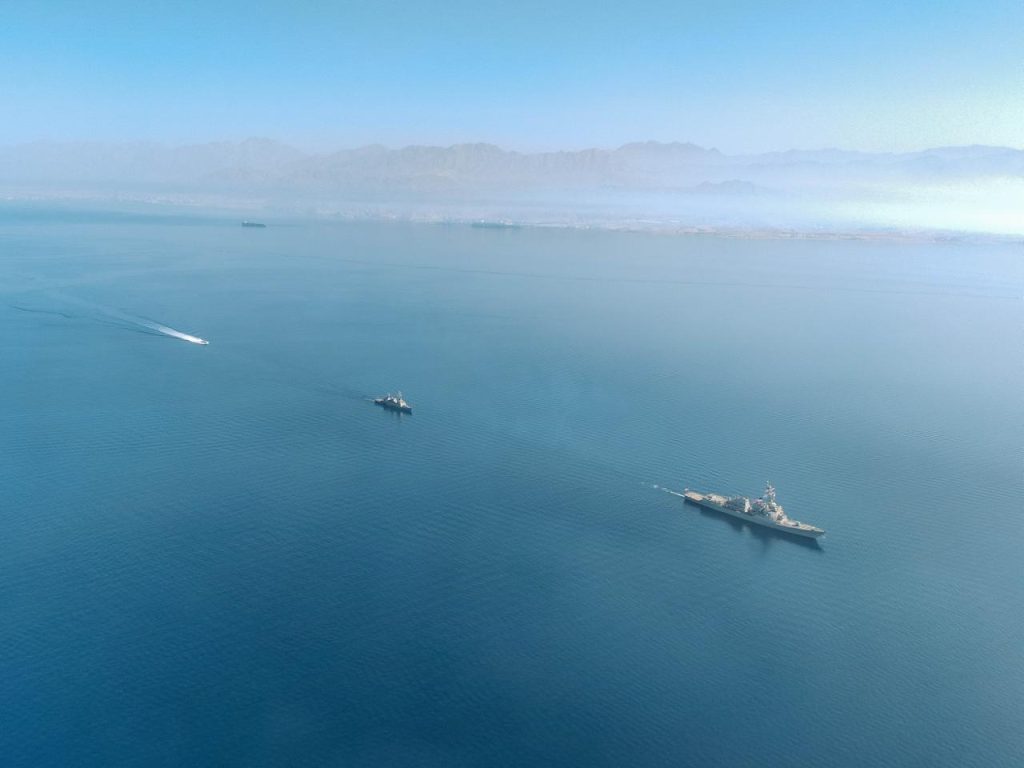
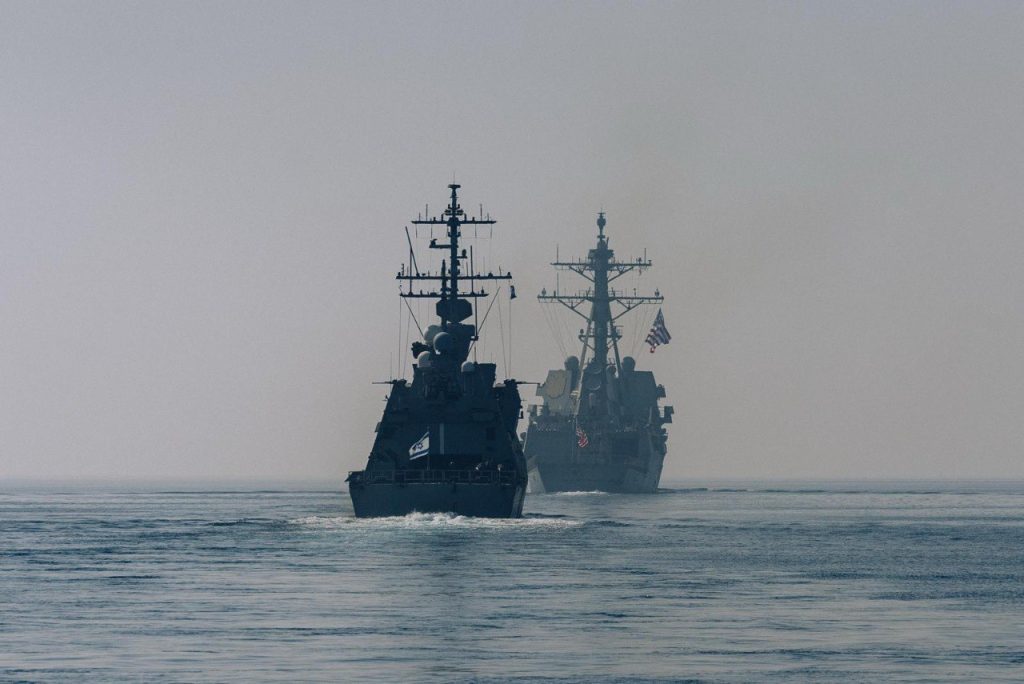
- Reports in both US and Israeli media indicate a distinct lack of enthusiasm from the White House regarding a US strike against Iran, especially as it remains unclear if such an attack could really lead to the regime collapsing. The US is quite keen, however, to leverage the threat of a strike to yield concessions from the Iranians on other pressing issues.
- The anti-regime protests and the regime’s brutal crackdown are what invested the recent US moves with a certain urgency. This urgency is decidedly attenuated in Israel, where Iran’s nuclear programme is still seen as crippled since the Twelve Day War, and its ballistic missile programme similarly understood to be set back.
- Anonymous leaks in Israeli media suggest a general scepticism in Jerusalem regarding both Witkoff and Kushner, and a decided preference for Secretaries Rubio and Hegseth — both widely seen as Iran hawks and both sidelined for now as the US seeks the appearance of giving negotiations a chance.
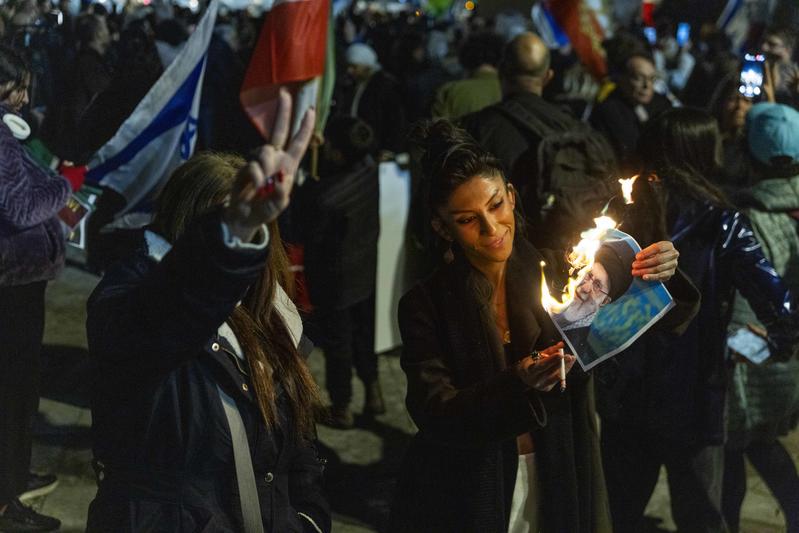
Looking ahead: The deadliest night of the Iran uprising was January 8-9. This week will see the end of the traditional month-long mourning period for the dead, estimated in the tens of thousands.
- Analysts expect that the end of the mourning period could herald a renewed period of protests in the country, with reports that merchants from the Grand Bazaar are organising a general strike to begin later this week.
- More violence in Iran coming at a time when both the US and Iran are focusing negotiations on Iranian geostrategic issues rather than internal ones could potentially refocus the confrontation on the issue that brought Trump to threaten force to begin with — and to promise that “help is on its way.”