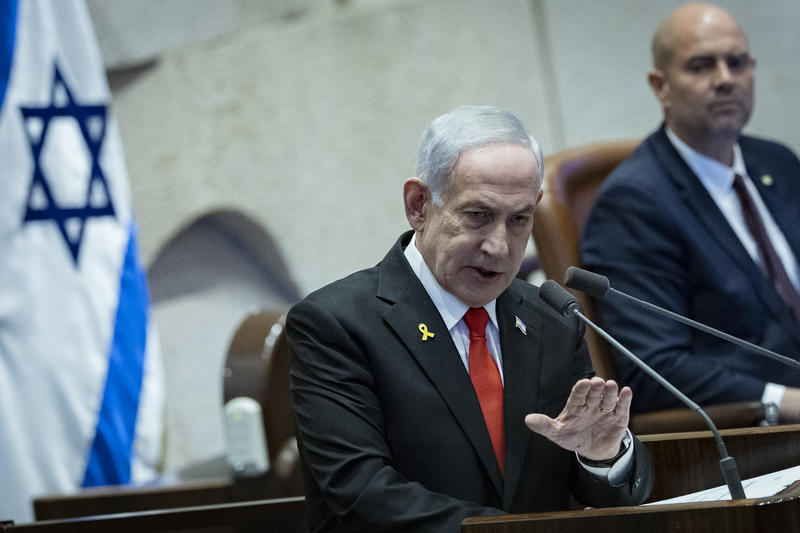
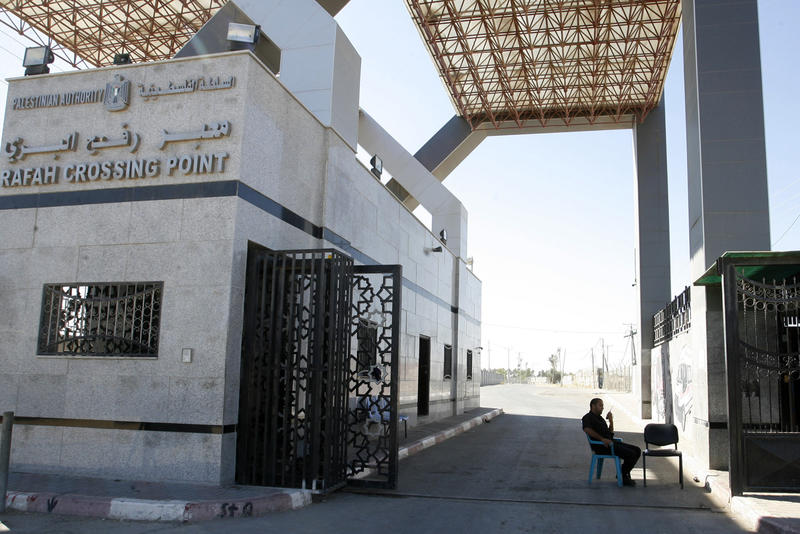
What’s happened: The security cabinet convened on Sunday night and according to the Prime Minister’s Office agreed to a “limited reopening of the Rafah Crossing for pedestrian passage only, subject to a full Israeli inspection mechanism.”
- The statement added that, “The reopening of the crossing was conditioned upon the return of all living hostages and a 100% effort by Hamas to locate and return all deceased hostages.”
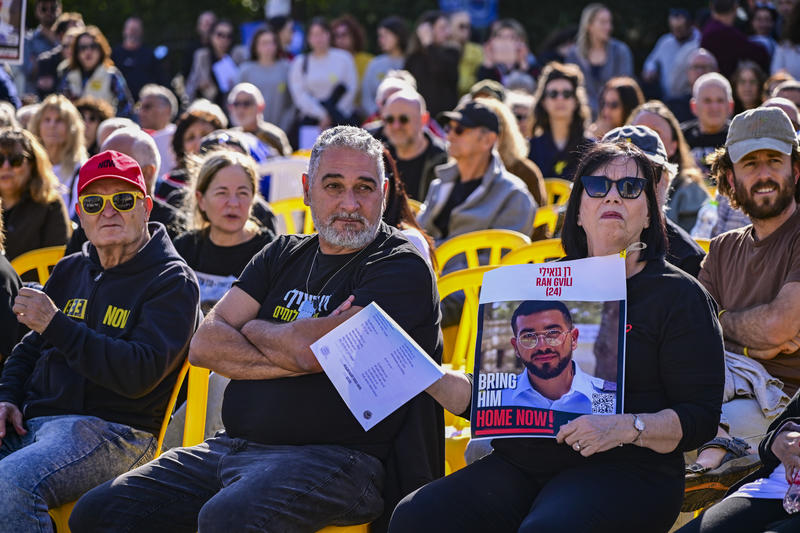
- “The IDF is currently conducting a focused operation to exhaust all of the intelligence that has been gathered in the effort to locate and return the fallen hostage, Master-Sgt. Ran Gvili… Upon completion of this operation, and in accordance with what has been agreed upon with the US, Israel will open the Rafah Crossing.”
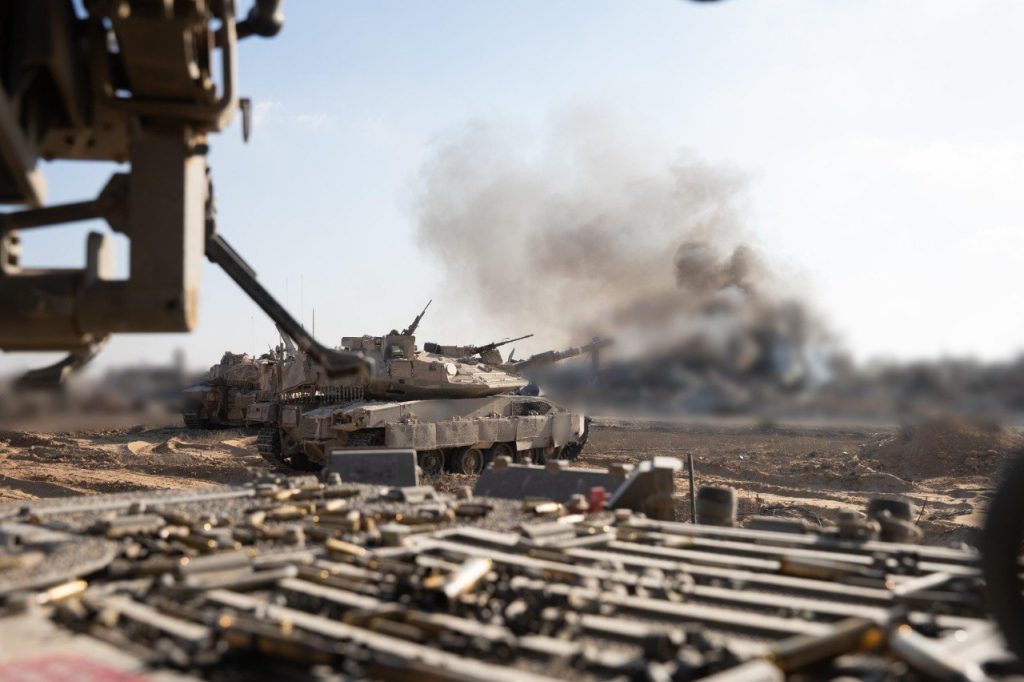
- Searches for Gvili’s body, dubbed Operation Brave Heart, began at the end of last week based on recently refined intelligence, and are focused on a cemetery in Gaza City. There are hundreds of bodies buried in the cemetery, and the troops are opening the graves one by one and reviewing their contents. The troops are conducting meticulous searches using mobile X-ray machines to check dental x-rays, as there are no available fingerprints. After that, DNA tests will be conducted.
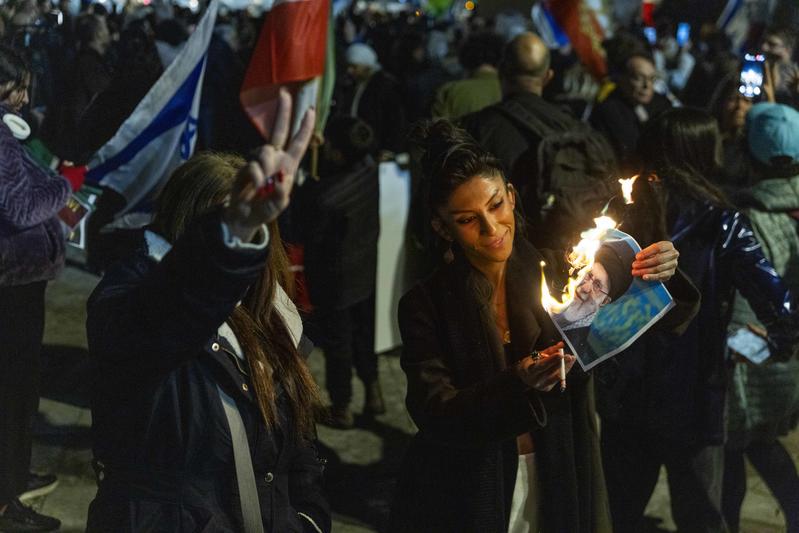
- Also over the weekend, US CENTCOM Commander Admiral Cooper met with Chief of Staff Zamir to discuss coordinating the defence for Israel in the event of an American attack on Iran that prompts Iranian missile fire.
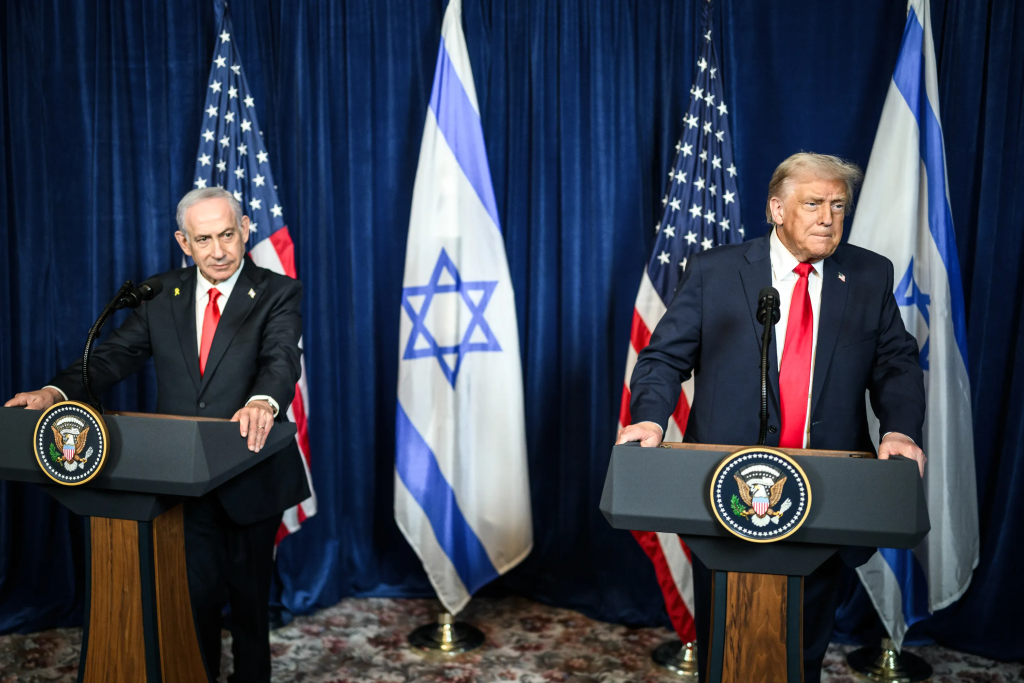
Context: The decision to open the Rafah Crossing follows pressure by the US mediators Witkoff and Kushner who met with senior Israeli leaders over the weekend to push for the continued implementation of President Trump’s 20-point plan.
- According to the Trump plan, Gvili’s body is supposed to be returned to Israel before proceeding to the second stage of the ceasefire agreement.
- As it currently stands, it appears that even if Gvili’s body is not found, the Rafah crossing will be reopened as a result of strong US pressure in a bid to begin the second stage.
- Despite pushback from the Egyptians, Israel insists on retaining the ability to remotely monitor the crossing via cameras. The border itself is expected to be supervised by a European team. In addition, due to Israel maintaining control of the yellow line, all the traffic will pass through an area under Israeli control.
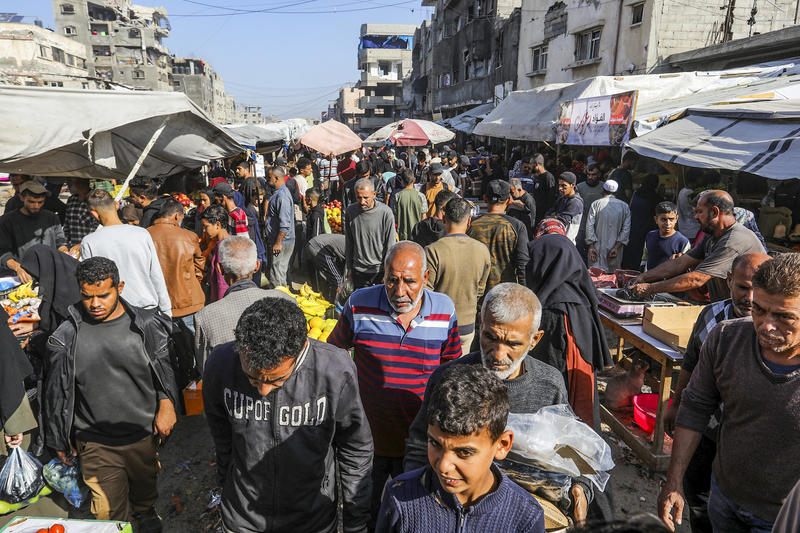
- Israel is most concerned over attempts to use the crossing to smuggle weapons as well as preventing Hamas terrorists who previously left Gaza from returning to the Strip. Israel is willing to allow anyone to leave who has an invitation or a visa to a third country or for humanitarian and medical cases, and will only insist on inspecting those who enter Gaza from Egypt. The Egyptians are concerned that masses will try to leave and remain in Egypt, whilst they want unlimited access for those that want to return to Gaza.
- Only those whose names are submitted to Israel by the Egyptians and go through security vetting will be able to cross into Gaza. It is estimated that 42,000 Palestinians left Gaza since the start of the war although not all will want to return.
- Despite optimism in some quarters following the grand unveiling of the Board of Peace at Davos last week, Israel remains concerned that Hamas will seek to integrate itself into the technocratic administrative committee led by Ali Shaath. Both Israel and the Palestinian Authority are wary of Hamas and are strongly opposed to this.
- Israel believes that Hamas is trying to integrate into Gaza’s future security framework without truly disarming which would create a “Hezbollah model” in Gaza. Although politically unpopular within the right wing government, it may prefer concessions to the PA over Hamas rule or renewed war. The US denies agreeing to let Hamas retain political power or integrate into Gaza’s security forces, although Arab diplomats have suggested that in negotiations Hamas has vowed not to disarm without concessions.
- The technocratic committee meant to govern Gaza lacks real authority and is largely staffed by former PA officials. They are wary of integrating Hamas officials following the harsh experience of 2007, when Hamas violently took full control of the Strip.
- The decision to reopen Rafah was met with harsh criticism from right-wing coalition partners, although the decision ultimately passed.
- Israel remains concerned over the role of Qatar and Turkey (as Hamas’s patrons) who also joined the Board of Peace. As such there was a question over whether Israel should also take a seat on the committee. In the end, Israeli officials argued that it’s better to participate than be excluded from decision-making.
Looking ahead: The search for Ran Gvili’s body in the cemetery in Gaza City is expected to continue for the next few days before moving onto other possible burial sites.
- The director of the Board of Peace Bulgarian diplomat Nickolay Mladenov is expected to visit Israel soon and finalise the details regarding the Rafah Crossing and the establishment of the multi-national force that is supposed to be tasked with disarming Hamas. The Rafah Crossing is expected to reopen towards the end of this week.
- The US military is due to deploy more troops to the Middle East in the next few days, but it remains unclear what Trump will decide to do vis-à-vis Iran.