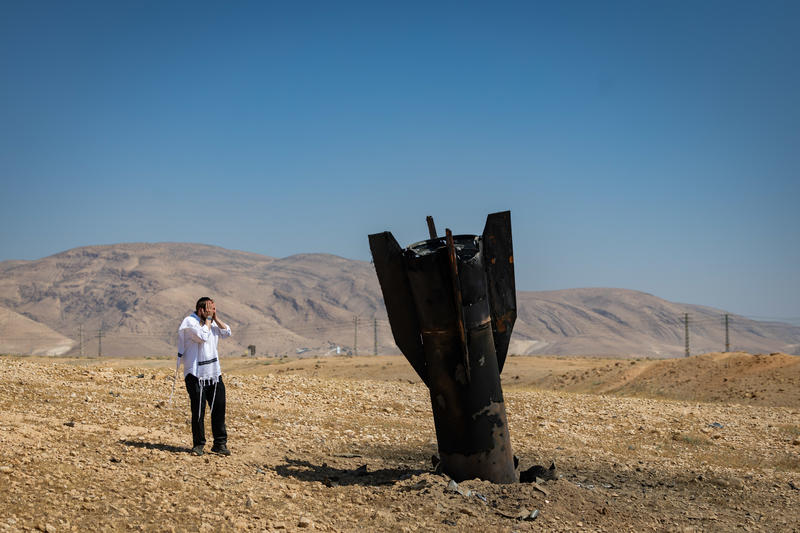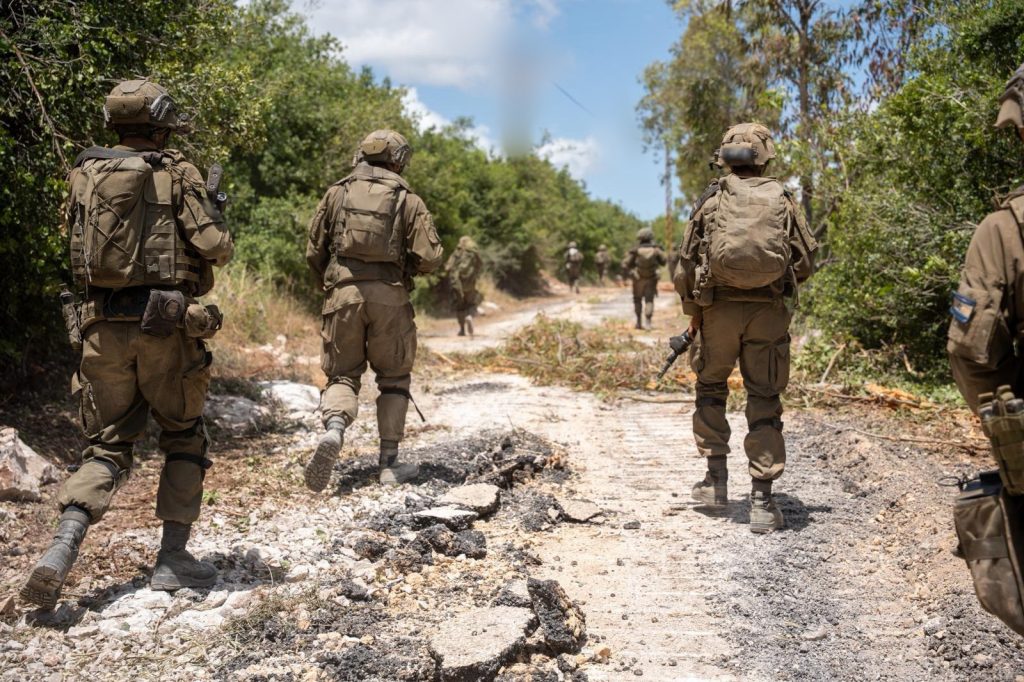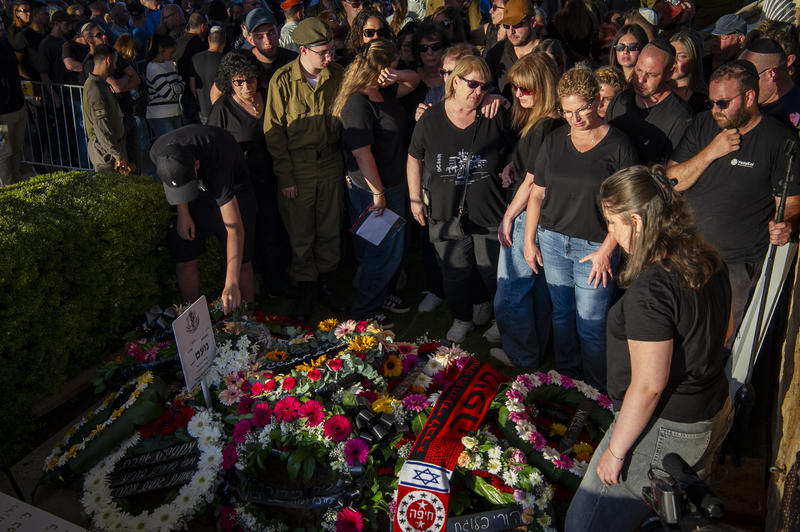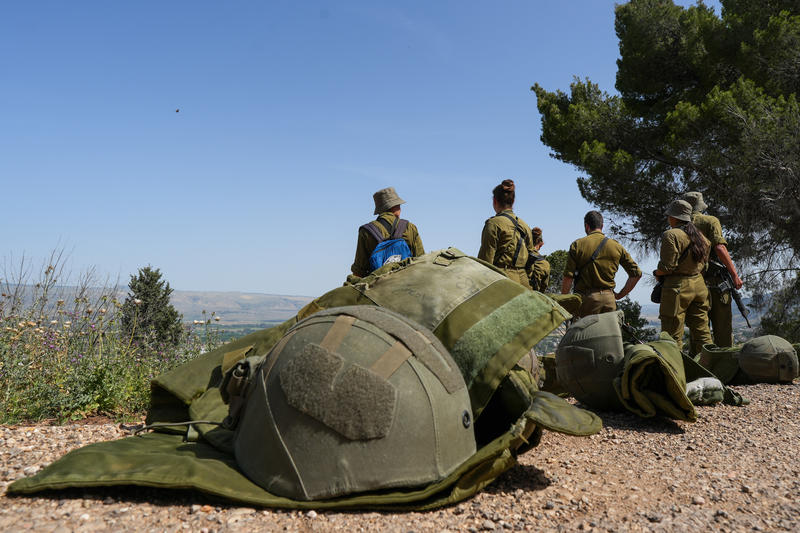
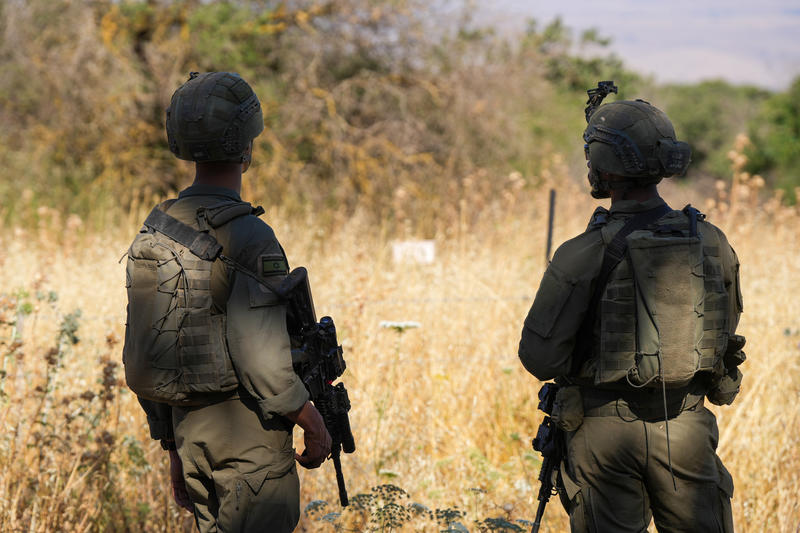
What’s happened: Four IDF soldiers were killed Thursday night when a Hezbollah drone exploded on troops near the village of Kfartebnit in southern Lebanon.
- Among those killed was Lt. Col. Dor Gedalia Ben Simhon, 32, of Kibbutz Beit Hashita, commander of the 52nd Battalion of the 401st Armoured Brigade.
- In response to Hezbollah’s ongoing violations of the ceasefire, the IDF struck more than 80 command centres, terrorists, launch positions, and additional terrorist infrastructure sites in the area of Nabatieh and additional areas in southern Lebanon.
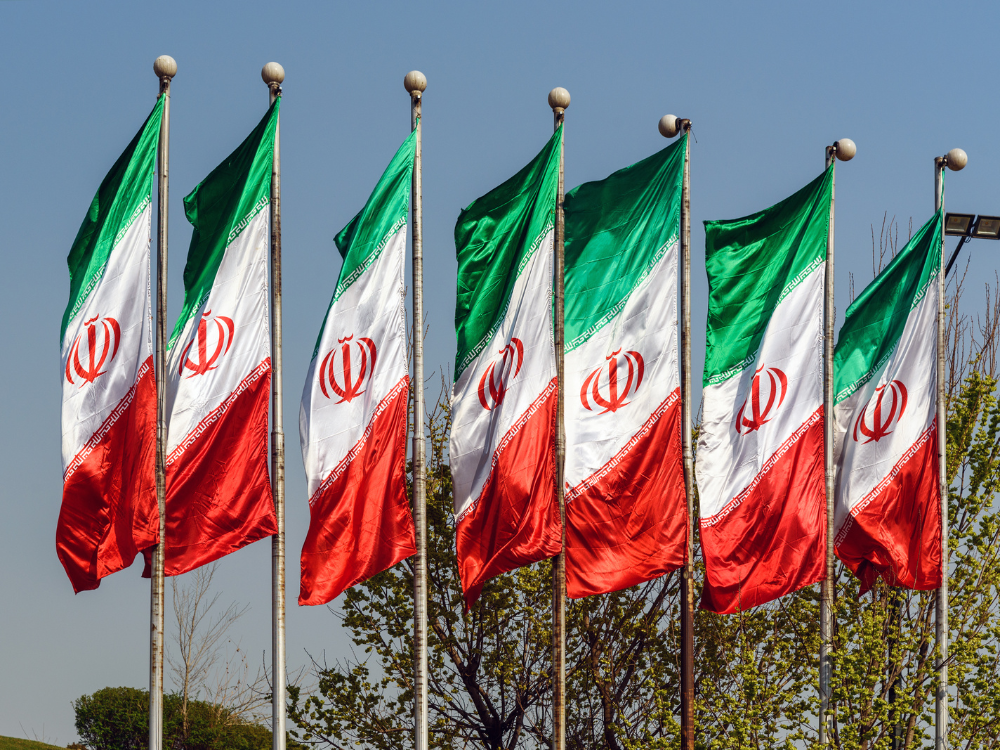
- Meanwhile, Iran’s negotiating delegation has suspended its trip to Switzerland due to continued Israeli operations against Hezbollah in southern Lebanon, despite the recent signing of the MOU between the US and Iran.
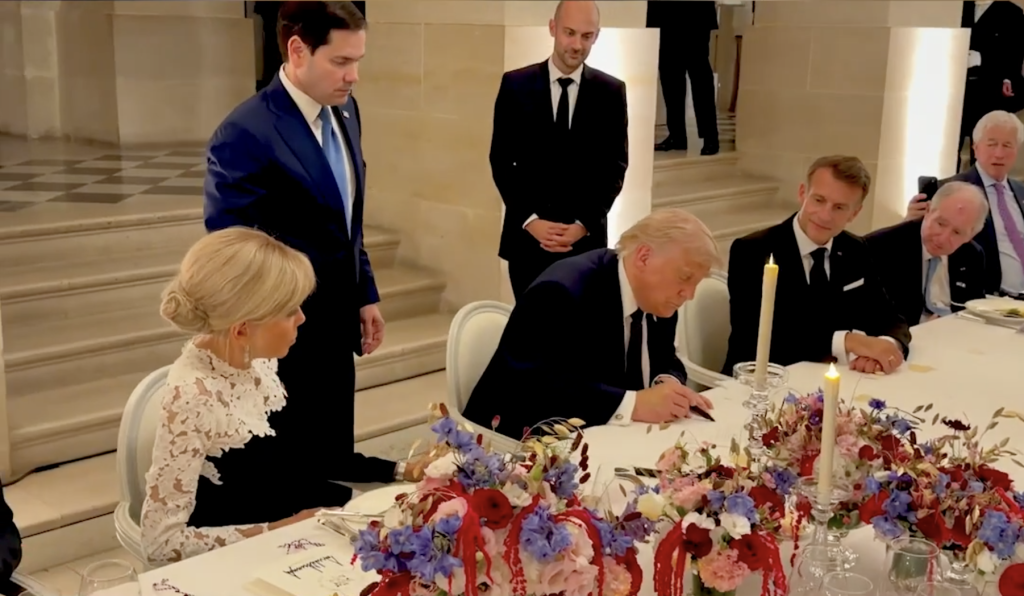
- US Vice President Vance delivered a speech featuring unusually harsh criticisms of Israel. Vance warned that Israel should not “attack” the only powerful ally they have in the world, and that Trump was “the only head of state in the entire world who is sympathetic to the nation of Israel at this moment in time.”
- Furthermore, Vance stated that Israel was built with American money, in reference to the defensive ammunition used in Israel which is made in the US. Vance did, however, make clear that Israel has the right to defend itself in reference to the ceasefire with Lebanon. Vance also called out critics of the MOU, stating that the deal that was signed forces Iran to change its behaviour before receiving any benefits.
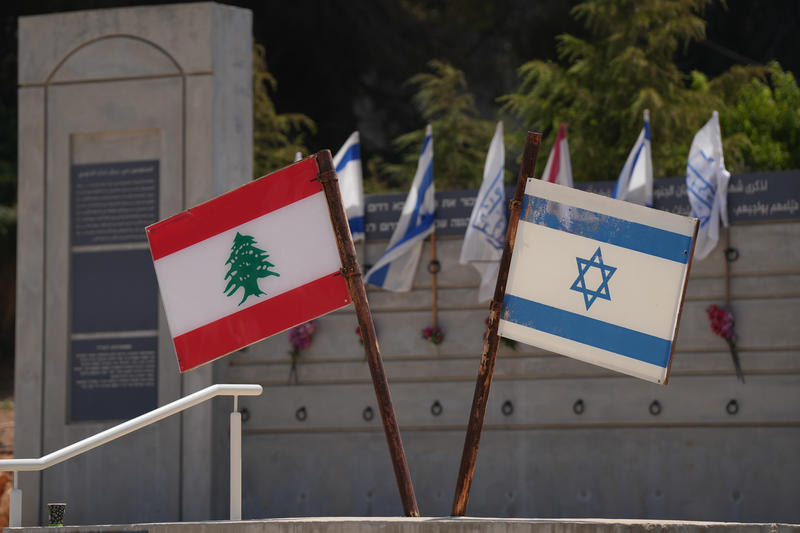
- The Speaker of the Lebanese Parliament also stated that Lebanon is committed to the ceasefire in place with Israel, and Hezbollah will adhere to it as long as Israel does as well. This comes as Hezbollah attacks continued on Thursday, in which another IDF soldier Master Sergeant (res.) Alexander Filin was killed along with 6 more injured.
Context: Israel has stated that they reject the provision in the agreement requiring an immediate and permanent end to hostilities in Lebanon. Prime Minister Netanyahu expressed to President Trump that Israel does not consider itself bound by the MOU.
- An IDF official has clarified that IDF forces will remain in the buffer zone 10km into southern Lebanon as long as the security situation warrants it. Israel won’t want to directly contradict and certainly not antagonise the US government, but as any self-respecting sovereign country – they will do all they need to do to protect their civilians and defend their national interests.
- Israelis remain puzzled by the agreement that appears to consolidate the linkage and influence that Iran has over Lebanon. It has been a long-standing US foreign policy objective to decouple Iran’s stranglehold over Lebanon and its support for Hezbollah, a proscribed terrorist organisation.
- Tensions between Israel and the US are likely to remain heightened, as the prevailing thought is that the US administration has moved from touting regime change, to now promising hundreds of billions to prop up a fundamentalist regime that has murdered tens of thousands of its own citizens.
- The Lebanese president has blamed Hezbollah for beginning the latest round of fighting, and for importing a foreign conflict at Iran’s behest, which is against the interests of the Lebanese people.
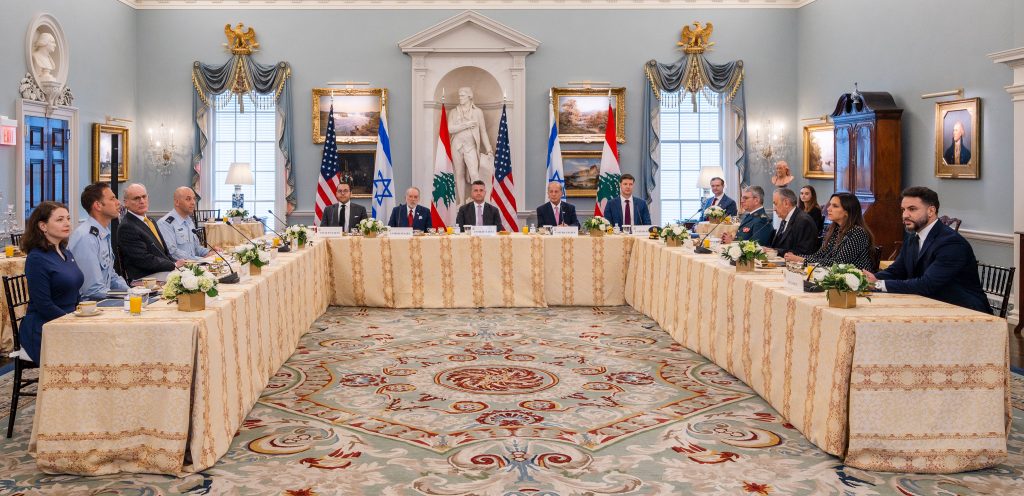
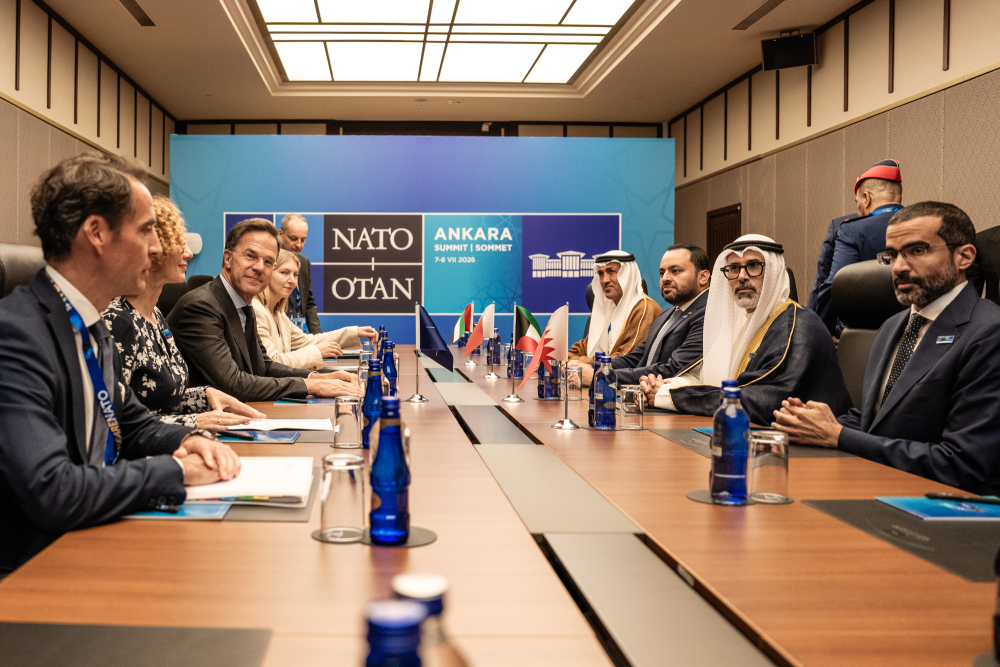
Looking ahead: Efforts to reach a separate deal Israel and Lebanon are expected to continue, parallel to any agreement with Iran and the US.
- There is heavy scepticism that the allotted 60-day period is a realistic timeframe to reach full agreement based on the MOU, and even if extended, if it can be implemented at all.