Key developments:
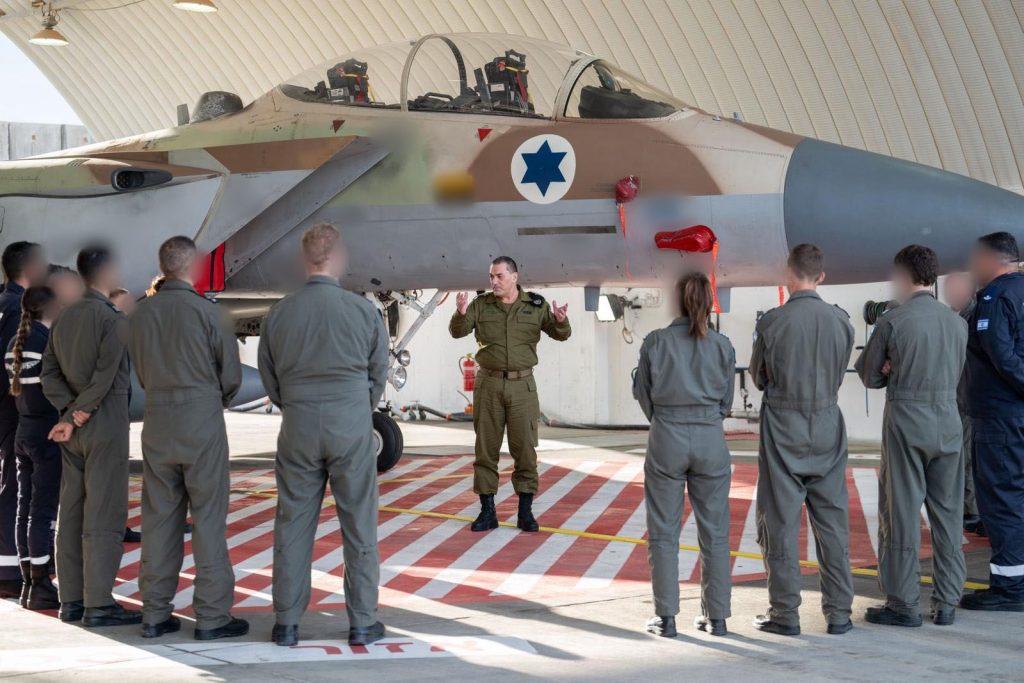
- Since the start of Operation “Roaring Lion”, the Israeli Air Force (IAF) has successfully targeted approximately 300 Iranian missile launchers. So far they have made more than 1,600 sorties around-the-clock in order to locate and target launchers and missile stockpiles in order to reduce fire toward the Israeli home front. The IDF has also struck regime assets including dozens of command centres of Iranian Internal Security, and Basij command centres.
- The IAF destroyed a secret underground facility in Tehran that was used to develop nuclear weapon components. IDF Spokesperson Brig. Gen. Defrin said last night, “In this compound, a group of nuclear scientists operated covertly. They advanced and developed capabilities and knowledge for the attainment of nuclear weapons. After we severely degraded the efforts to develop nuclear weapons in Operation Rising Lion, the regime relocated some of its capabilities to secret bunkers. The regime tried to renew its efforts and to conceal them, on the assumption that we would not detect that. They were wrong.”
- In parallel, the IAF as struck approximately 60 targets belonging to Hezbollah, Including senior commanders, weapons storage facilities, command centres, missile launchers and additional terrorist infrastructure.
- According to the anti-regime Iran International, Mojtaba Khamenei, the son of the killed Iranian supreme leader, has been elected to succeed his father under pressure from the Islamic Revolutionary Guard Corps. However, the New York Times reports he has not yet been formally elected, but is the leading candidate to serve as the next supreme leader. Other potential candidates for the Supreme Leader position include:
- Hassan Khomeini – grandson of Ayatollah Khomeini, often viewed as comparatively pragmatic,
- Sadeq Larijani – former judiciary chief and brother of Ali Larijani,
- Hassan Rouhani – former president and a leading figure of the regime’s more centrist camp, and
- Alireza Arafi – a senior cleric and member of the Assembly of Experts.
- More info about the succession question is available in our latest podcast.
Context: Israel and the US continue their pressure campaign to create the conditions for regime change.
- Beyond the kinetic attacks the US have been holding talks with Kurdish leaders in northern Iran and Iraq, with Baloch militia leaders in southeastern Iran and with other minority groups. The aim is to help prepare for the day after once the fighting stops. They understand that one of the keys to success will be enlisting support from the regular Iranian army, among public Iranian officials and local leaders.
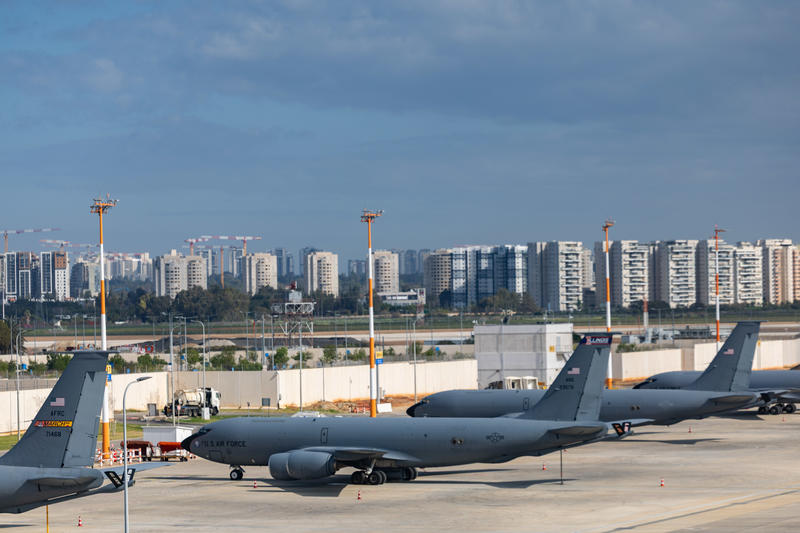
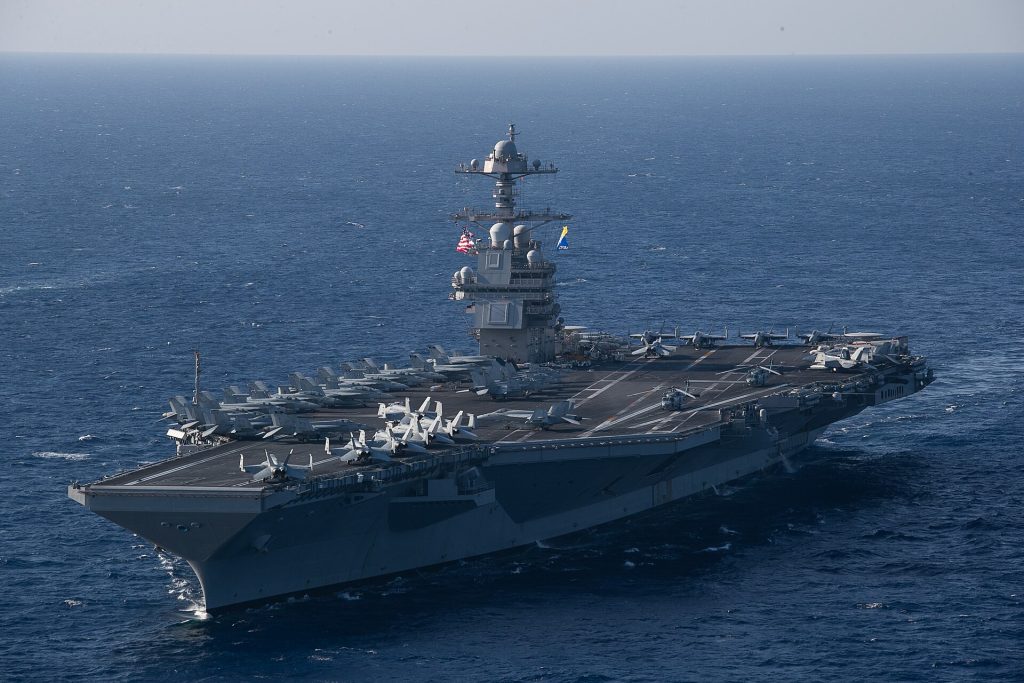
- Under the leadership of US CENTCOM, Israel, regional Arab states and reportedly the RAF are assisting in intercepting Iranian missiles and drones. The Gulf Cooperation Council sent a message to the Iranians threatened to join the attack on Iran.
- When Hezbollah chose to join the war overnight between Sunday and Monday, it did so with a very limited barrage. They felt compelled to act following the elimination of Khamanei, as he served as their highest religious authority as well as Iranian Supreme Leader, but fearful over the Israeli response. Israel had plans for several months to further downgrade their military capacity and appears to now be taking that opportunity.
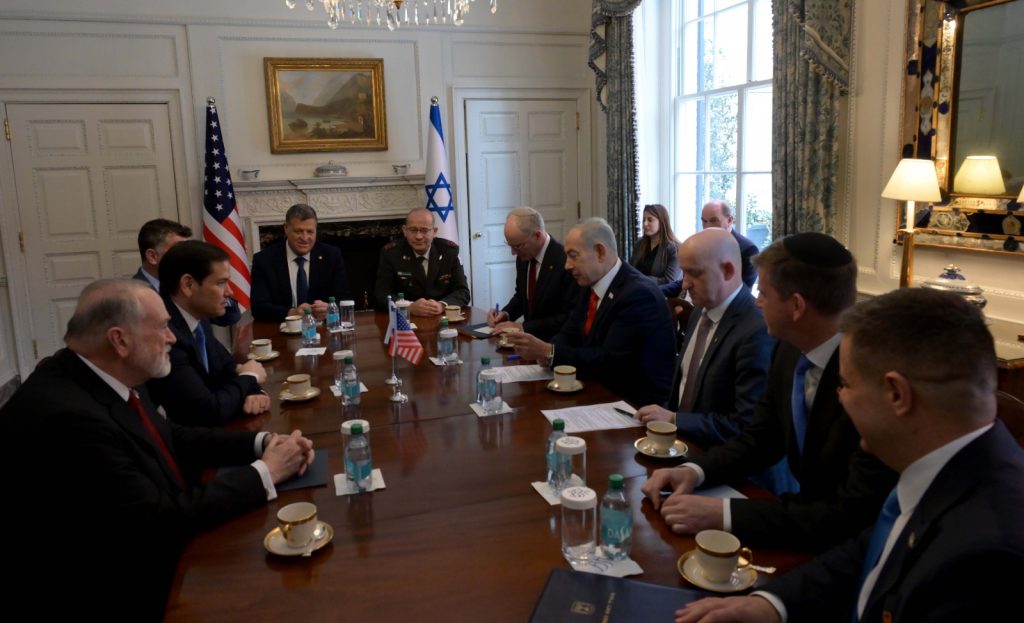
- Israel is hoping a decisive victory in Iran will have significant repercussions for Hezbollah, and alongside a more muscular approach by the Lebanese Army could lead to its defeat. Like with Iran, Israeli officials remain fully coordinated with the US over the Lebanese theatre.