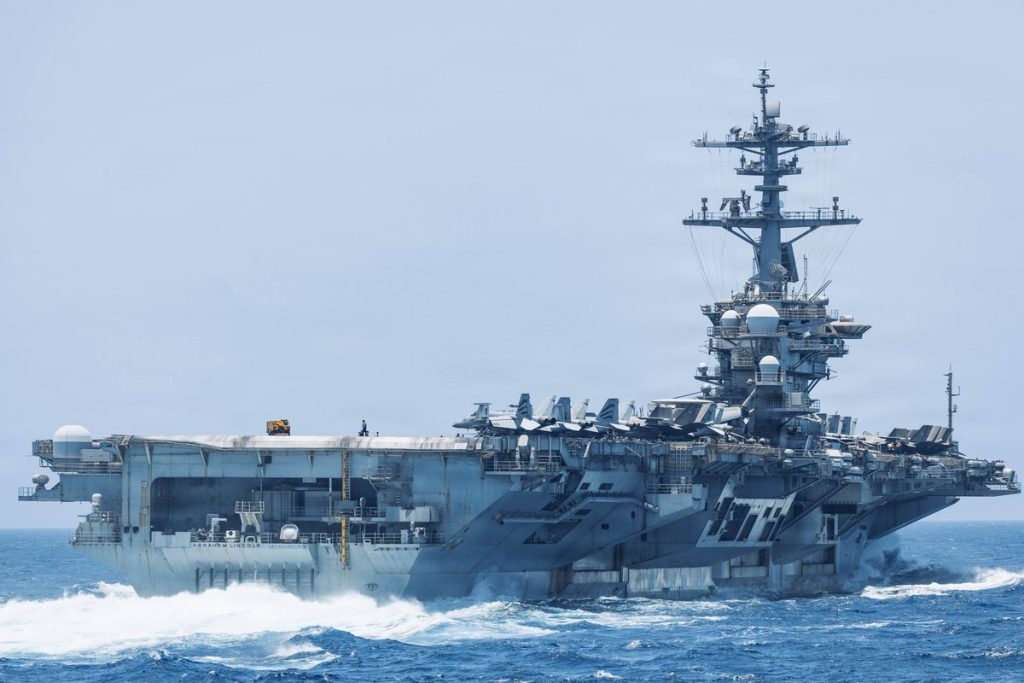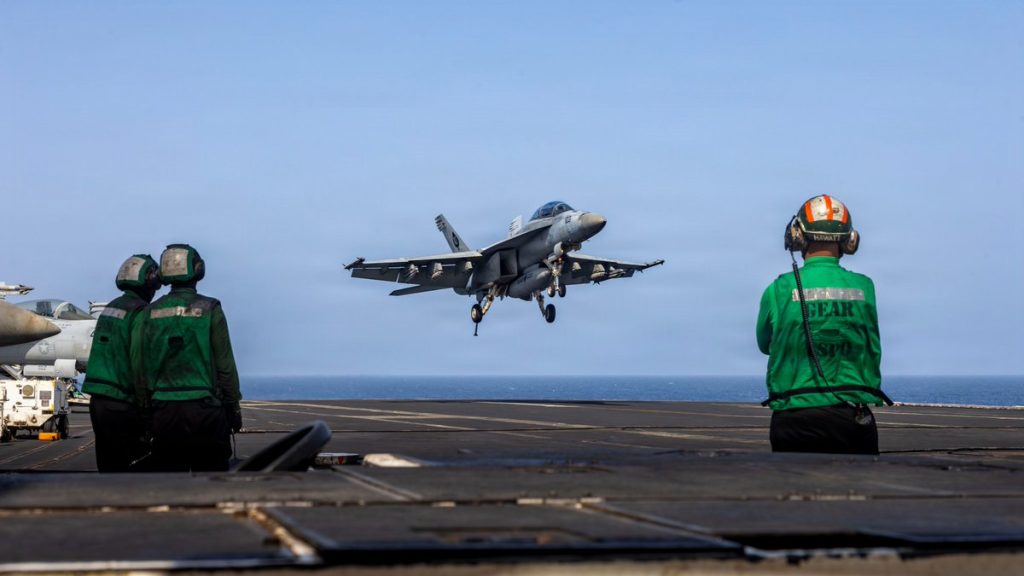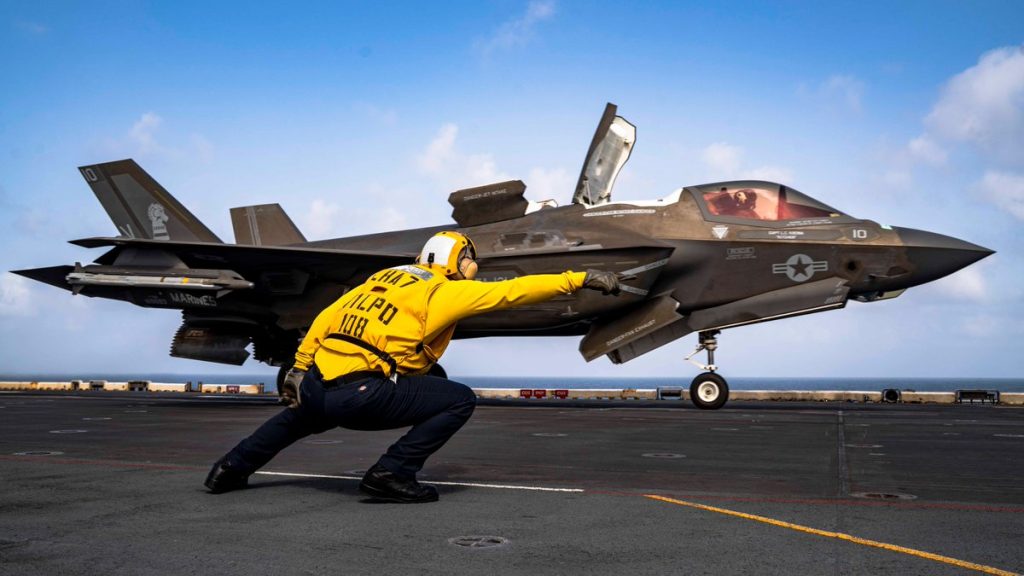
What’s happened: A US Apache helicopter went down near the Strait of Hormuz yesterday. Both crew members were rescued alive by an unmanned sea drone. According to CENTCOM, this is the first such rescue successfully carried out by an autonomous surface vessel.
- Official Iranian media claimed that Iranian forces had not engaged in any aerial activities near the Strait, and for hours after the incident it was unclear what exactly had transpired. Then President Trump announced that the helicopter had been shot down by Iranian fire, with US officials confirming that an Iranian one-way Shahed drone had brought the helicopter down.
- In response, US forces launched a limited air strike against Iranian air defence, radar, and ground control stations near the Strait of Hormuz. An official CENTCOM statement referred to the US operation as “self-defence strikes,” the preferred term of US officials for operations that are not intended to signal an end to the US-Iran ceasefire in effect since April 8.
- The Iranians responded this morning with what they claimed were attacks on 21 US bases in the region. Iran also claimed to have shot down a US MQ-9 Reaper drone over Iranian territory.
- US officials denied that Iran had struck 21 or even fired at 21 sites. US and regional officials described successful interceptions of Iranian missiles over Kuwait, Bahrain, and Jordan, where the target appears to have been a large US air base at Al Azraq.
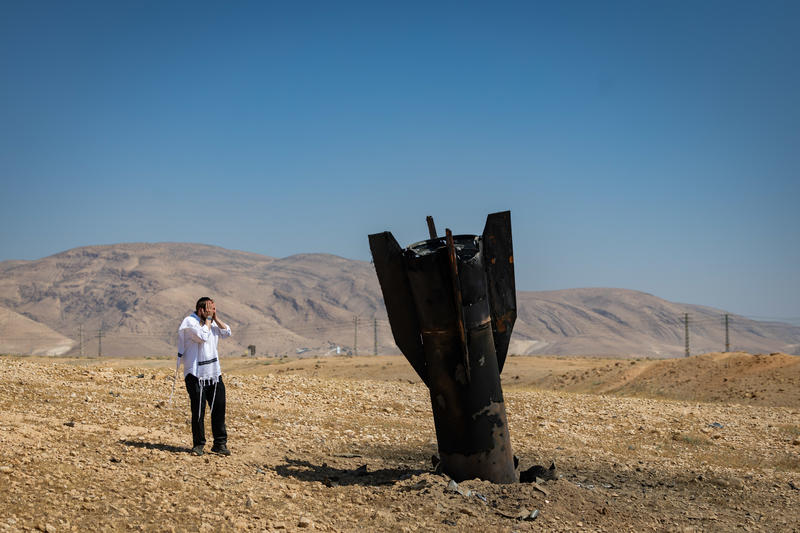
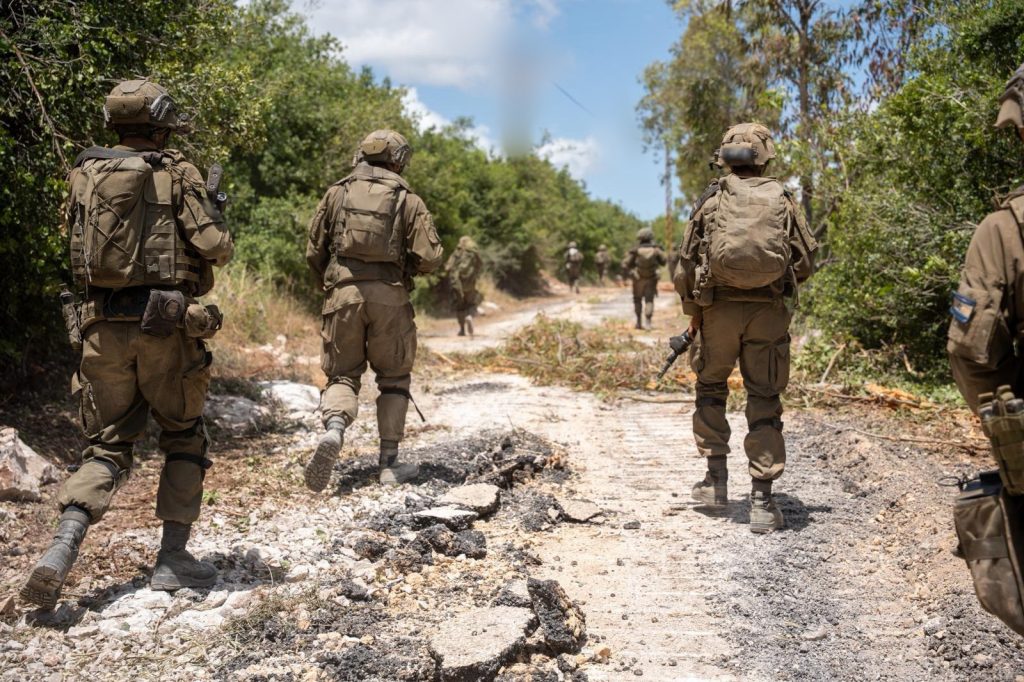
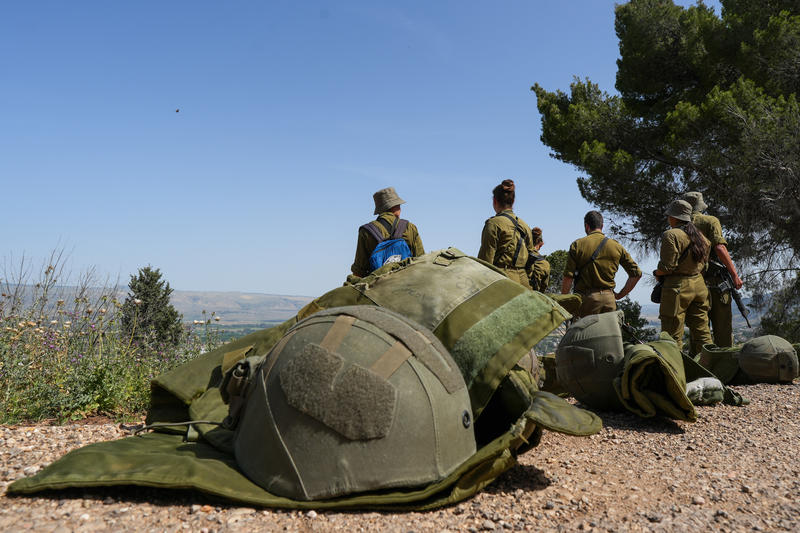
- The ceasefire that was effectively imposed by the Trump administration on Iran and Israel after one day of mutual fire on Monday held. The Iranian attempt to leverage missile launches on Israel to bail out its proxy in Lebanon failed to stop Israeli action in Lebanon, however. The IDF this morning announced further evacuation orders in southern Lebanon ahead of anticipated Israeli military strikes. Earlier today, the IDF carried out a large strike against Hezbollah targets in the Lebanese city of Tyre.
- The Israeli operations in Lebanon, including fire beyond the Litani River, carry significance on two levels. They constitute offensive action against Hezbollah, which had been attacking northern Israel in the week before, and they demonstrate definitively that the Iranian attempt this week to create a new “equation” by which Iran could fire at Israeli cities if Israel operated in Lebanon, failed to produce the result desired by Tehran.
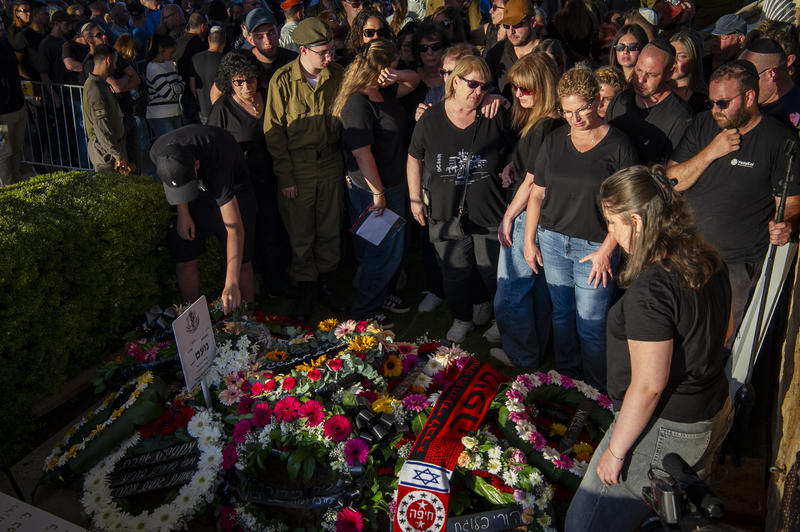
- Also yesterday, an armed man in a military uniform crossed into Israel from Lebanon. When he was discovered by the IDF, he opened fire, but was eliminated by IDF fire.
- The UK Government is advancing legislation in Parliament that would designate the IRGC as a “threat to national security,” potentially closing a loophole that made it difficult to apply existing anti-terrorism provisions to a state-run intelligence service, rather than a non-state actor, even one backed a sovereign state, as existing legislation permits. This follows the discovery of at least 20 suspected plots to carry out attacks in the UK, especially against Jewish targets.
- This move occurs on the same day that the UK announced a raft of sanctions against six firms it alleges are complicit in enabling settler violence in the West Bank. The six associations are small fundraisers, none of which are known to have assets or activities in the UK. This announcement was accompanied by an announcement of £10 million in aid for the Palestinian Authority, that was, notably, not conditioned on any reform or an end to the Authority’s policy of paying families of convicted terrorists.
Context: The low-scale flare-up between US and Iranian forces in the Gulf, like the one day of fighting between Israel and Iran earlier this week, all occur on the backdrop of a feverish US effort to reach an agreement with Iran on its nuclear programme.
- US officials have begun leaking to American media some of the areas of agreement between the two sides in negotiations thus far. These include:
- An Iranian commitment to suspend uranium enrichment for an extended period. The Iranians have apparently offered to suspend enrichment for ten years, while the US has demanded twenty. There was speculation the sides might agree on fifteen, though public pronouncements by President Trump indicate that the US will insist on twenty to reach an agreement.
- Iran will “downblend” all enriched uranium. Earlier the US had insisted that Iran’s stockpile of highly enriched uranium be shipped out of the country. This stockpile is estimated at roughly 480 kg and believed to be buried in the ruins of a nuclear site destroyed by US forces in Operation Midnight Hammer last summer. If the leak is true, then none of this stockpile would leave Iran; it would, rather, be diluted (or “downblended”) in Iran with an active US role. Moreover, the agreed downblending would apply not just to the 480kg of highly enriched uranium, but to all the estimated 11 tons of uranium that has been enriched, even to much lower levels.
- Iran would dismantle all three of its major nuclear sites in Natanz, Fordo, and Isfahan. It is unclear if Iran has actually agreed to this or whether it is still insisting on shutting down only two out of three.
- A strict international inspections regime. Iran would have to agree to so-called “snap” inspections, which are unannounced ahead of time, by international inspectors, including at IRGC sites, where Iran had previously blocked inspectors’ access.
- It is not known what the sides may or not have agreed to as far as the two parallel blockades imposed by the US and Iran, though it is widely believed both would be lifted quickly. It is much less likely, however, that any unfreezing of Iranian assets would happen as quickly, at least according to US sources.
- Notably, none of the leaks about negotiations mention issues that were key points of contention in the lead-up to the war which began on February 28, including Iran’s support of regional proxy armies, its ballistic missile programme, or its violent suppression of protests in January of this year.
- Global energy markets continue to adjust for Iran’s blockade, now more than 100 days old, on shipping traffic through the Strait of Hormuz. While the process is hardly painless and affects major US allies differently — Saudi Arabia and the UAE have alternative to the Strait while Qatar does not — the impact of the Iranian blockade has so far been much less catastrophic than initially feared. On the other hand, the US blockade or Iranian ports continues to grind down the Iranian economy with Israeli officials believing a breaking point there may be only weeks away.
Looking ahead: In Cairo, talks are underway between Palestinian factions under an Egyptian-led effort to reach an agreement on implementing the Gaza ceasefire and finding a workable formulation for Hamas disarmament, a key provision of the ceasefire. A successful agreement could pave the way for the “technocratic” committee to enter Gaza and bring the comprehensive agreement, which ended the war in October 2025, to the next stage.
- Israeli officials are markedly pessimistic about any real mechanism for Hamas disarmament. According to Israeli analysts, Hamas has managed to retrench and rebuild its military and governing capacities in the roughly 40% of the Gaza Strip which it still controls.
- Failure to implement the disarmament clause of the comprehensive agreement increases the likelihood that at some point the IDF will enter the rest of Gaza and forcibly disarm Hamas itself. In the war which began on October 7, 2023 and ended two years later with the comprehensive agreement, Israeli forces refrained from entering Hamas redoubts in central Gaza’s refugee camps for fear of harming Israeli hostages who were largely held in, and under, those densely populated areas. These hostages are all now home.