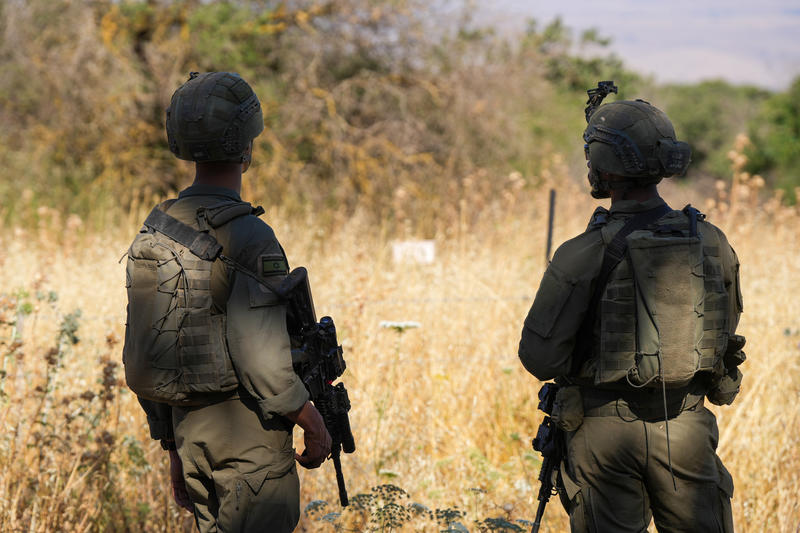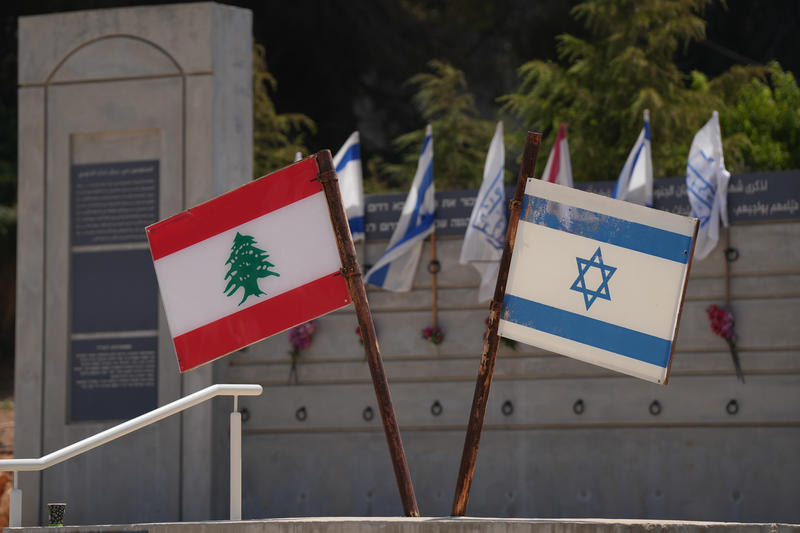
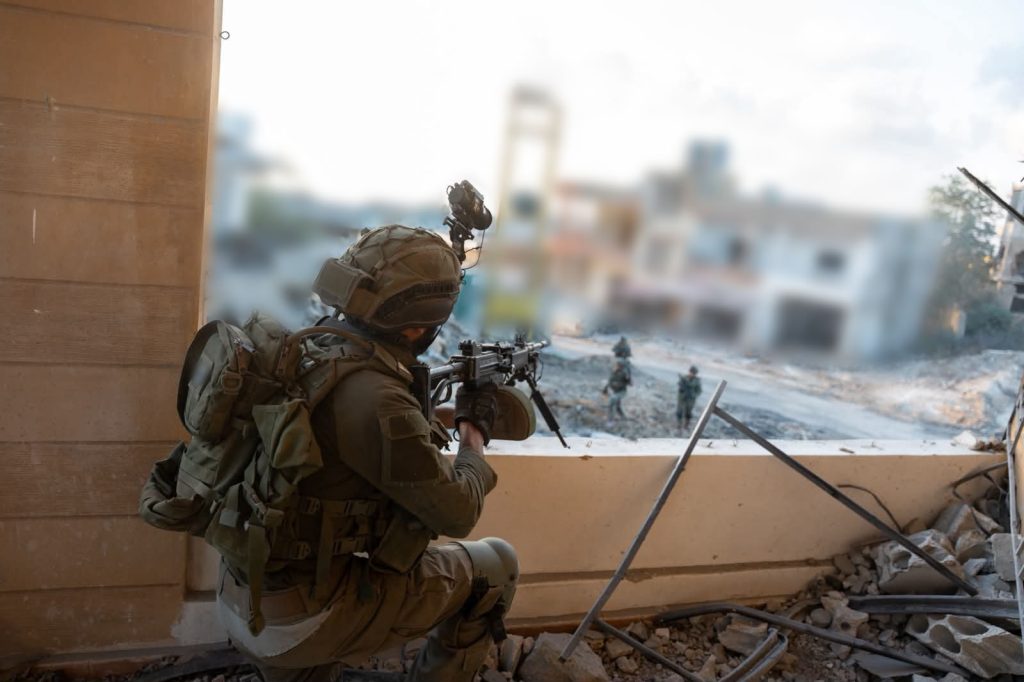
What’s happened: A publicly undeclared ceasefire appears to have taken hold in southern Lebanon over the past day after a particularly deadly weekend for the IDF in combat with Hezbollah.
- Over the weekend, five Israeli soldiers were killed in two incidents, with a further thirteen injured. Since the formal ceasefire went into effect in on 17th April, 24 IDF soldiers have been killed in combat with Hezbollah.
- Foreign Minister Gideon Saar said that Israel will respect the ceasefire as long as Hezbollah does as well. “We don’t have territorial ambitions in Lebanon,” he posted in a summary of a call with his New Zealand counterpart, “but we will not withdraw from the security zone and expose our citizens to Hezbollah’s attacks and possible invasion. Lebanon’s sovereignty has been breached for decades to this very day by Iran’s indirect occupation by Hezbollah. It’s the interest of both Lebanon and Israel that Hezbollah’s terror state will be dismantled.”
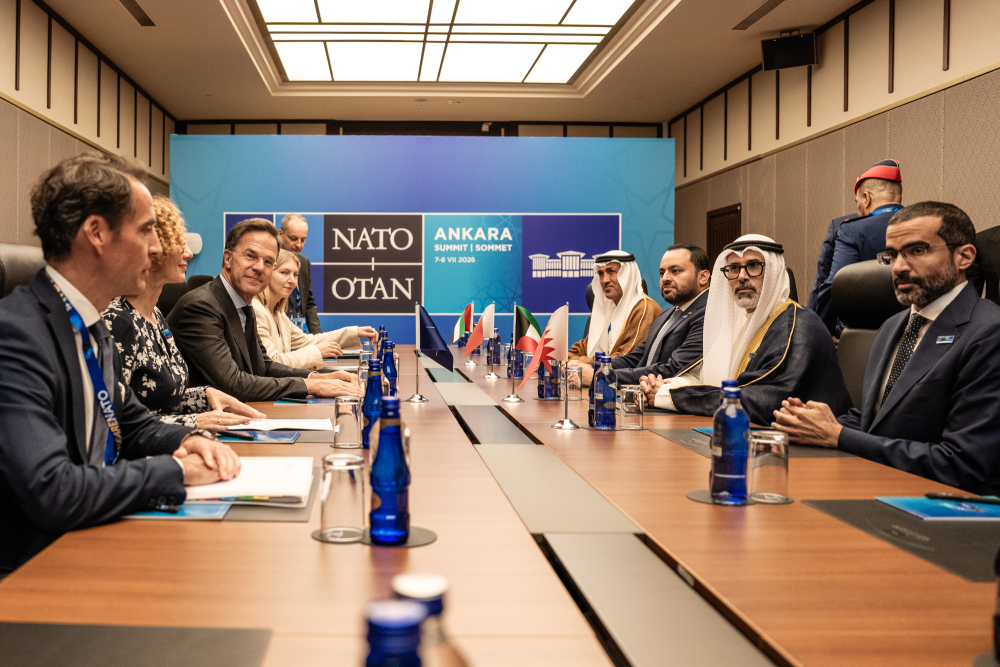
- Tensions in Lebanon occur against the backdrop of talks in Switzerland that began yesterday between Iran and the US, mediated by Qatar and Pakistan.
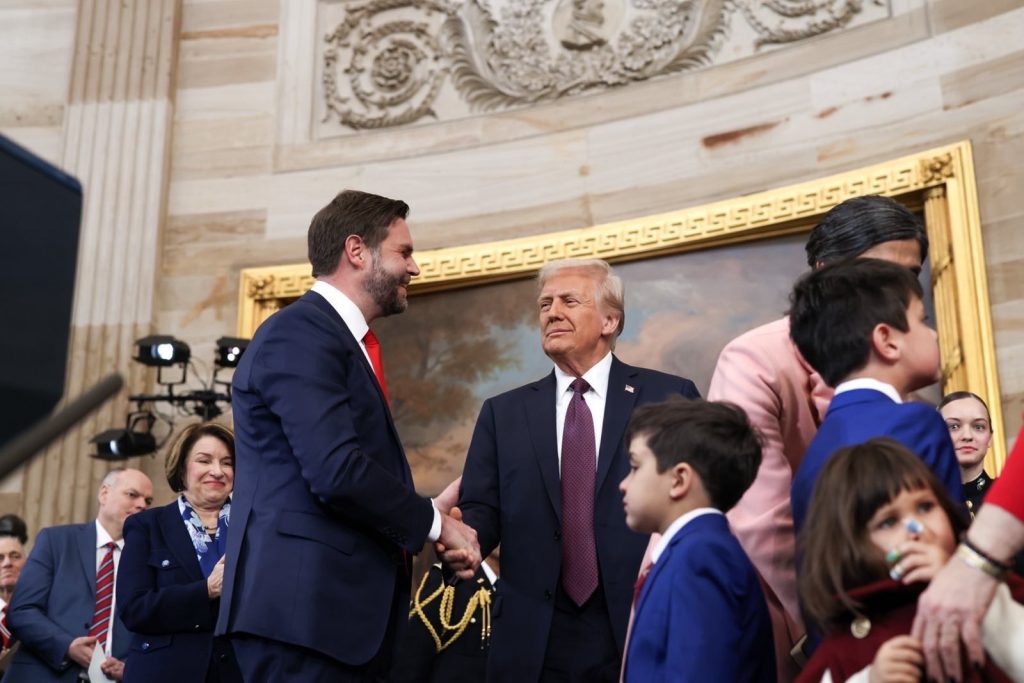
- The talks were attended by US Vice President JD Vance and Iranian Foreign Minister Abbas Araghchi. The US delegation also included Steve Witkoff and Jared Kushner, while the Iranian one had parliamentary speaker Mohammad Bagher Ghalibaf. Qatar’s Prime Minister Sheikh Mohammed bin Abdulrahman Al Thani was there too, as were both the Prime Minister and top military officer of Pakistan, Shehbaz Sharif and Asim Munir.
- After 18 hours of talks, the sides agreed to establishment of a “de-confliction cell” to end the fighting in Lebanon and reportedly agreed on a “roadmap” framework for negotiations to reach an agreement within the sixty days stipulated by the Memorandum of Understanding.
Context: Hezbollah violations of the ceasefire are intended to leave Israel in a strategic bind. Either it responds, and risks the ire of the Trump administration, as well as blame for scuttling talks to end the war in Iran, or it does nothing, allowing Hezbollah to attack it at will and formalising a linkage between Tehran’s priorities and the vulnerability of Israel’s northern towns and villages.
- The focus of Israel’s paused, but essentially ongoing, military effort in Lebanon is on Nabatiyeh and the Ali Taher ridge, especially around the Beaufort Castle. Both sites are beyond the so-called Yellow Line, and both bring with them historical resonances from Israel’s previous wars in Lebanon.
- Nabatiyeh is remembered in Israel as the place where Israel irrecoverably lost support from Lebanon’s Shias in an incident in October 1983. The bitter experience is widely studied as an example of what to avoid in any counterinsurgency situation.
- The Beaufort Castle is remembered for the pitched battle to conquer it from the PLO early in the 1982 war and the triumphant but politically tone deaf appearance of senior politicians there the next day. It was also the most well documented site of Israel’s hasty withdrawal in May 2000, memorialised in a best-selling novel and popular film.
- In the Ali Taher ridge itself, the IDF has located a massive underground complex of Hezbollah terrorists. Here is where the IDF has located the Badr’s unit’s nerve centre, including at least one tunnel that is one kilometre among an extensive system of tunnels, parts of which are inside the Yellow Line area of southern Lebanon. These are the tunnels Hezbollah would use in an October 7-style raid on northern Israel.
- Since the weekend, the IDF has surrounded the facility and believes it is now in control of all the tunnel compound’s access points. It is estimated that there at least 30 Hezbollah fighters besieged in the complex. In line with US demands, the IDF is not opening fire for now.
- Israeli officials quoted in the media believe that once the operation around the tunnel complex is ended, the IDF can begin staged withdrawals of territory in Lebanon, particularly territory north of the Yellow Line.
- For Israel, it is important that any withdrawal be seen as an Israeli initiative or the outcome of Israel-Lebanese negotiations, and not as something dictated to Israel by the needs of US-Iran diplomacy.
- Despite pressure from the political echelon (responding to pressure from the Trump Administration), senior IDF officials are unanimous that Israeli border communities cannot be protected right now from Hezbollah attack, whether that is in antitank missiles being fired at homes, as was the case from late 2023 until November 2024, or in an October 7-like raid into a civilian community, without an IDF presence close to the border in southern Lebanon.
Looking ahead: The political leaders who attended the talks in Switzerland are due to fly home today, but the technical teams will continue the talks on site and in person.
- Talks between Israel and Lebanon are expected to be renewed today. Israel is interested in reaching an agreement with Lebanon that would see its forces leave small pockets of territory and hand them over directly to the Lebanese Armed Forces. These would serves as “pilot zones” where the LAF would prove that it could keep Hezbollah out and take responsibility for territory vacated by Israel.