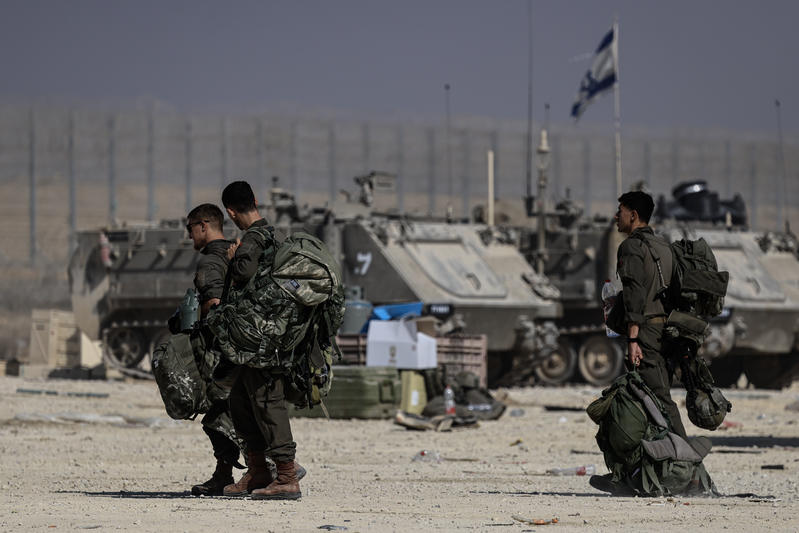
What’s happened: Hamas terrorists opened fire on an IDF position in Khan Yunis on the Israeli side of the Yellow Line.
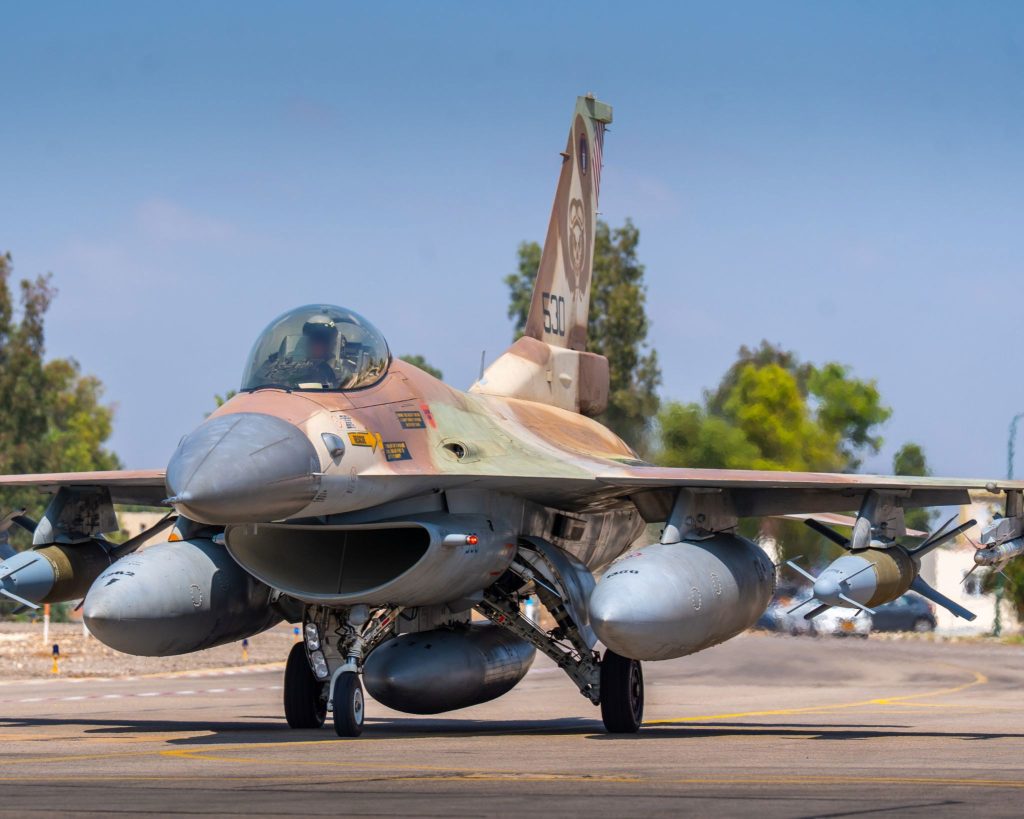
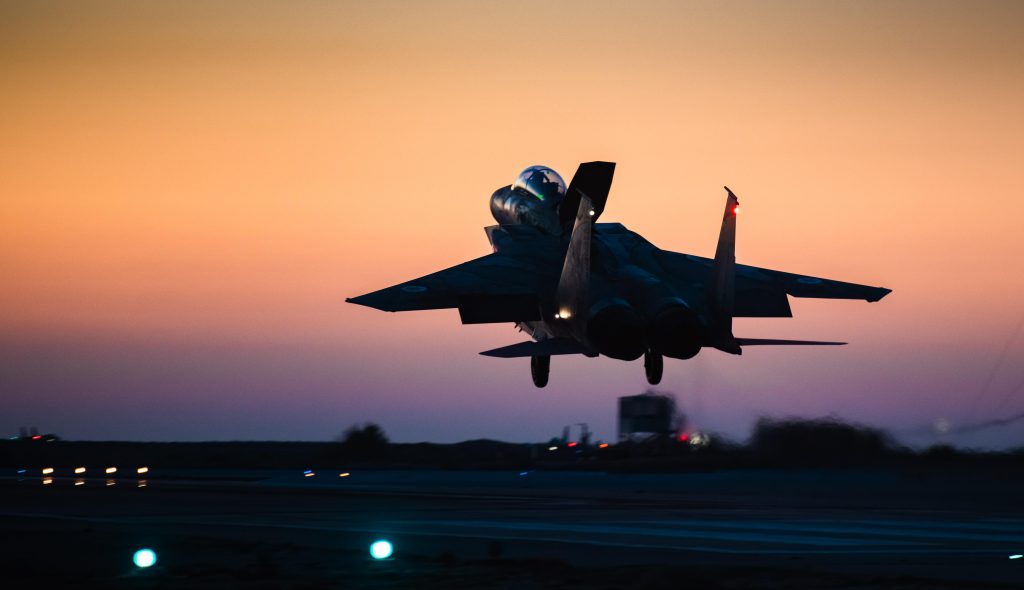
- In response, the IDF carried out a wave of strikes on Hamas positions including in Gaza City and al-Muwasi area. Israel’s Kan radio reported this morning that the commander of Hamas’ Zeitoun battalion, who also served as the organisation’s chief of naval forces, was eliminated in the IDF operation.
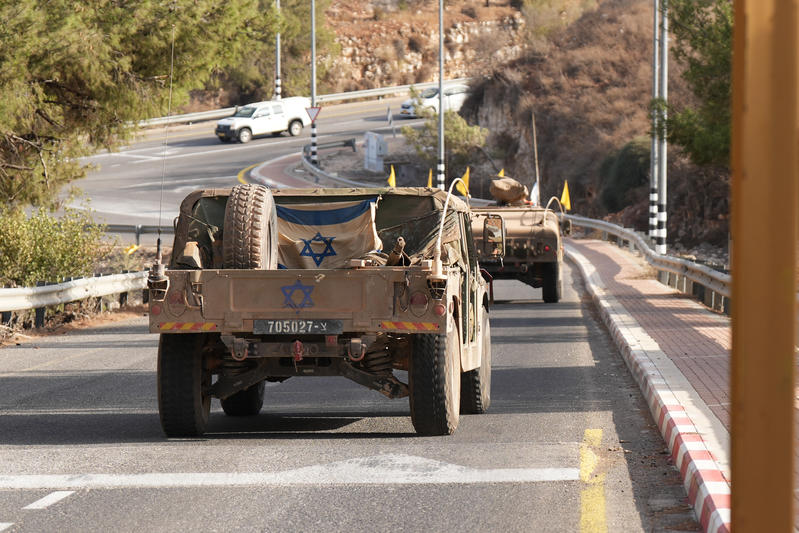
- The IDF also carried out extensive operations in Lebanon yesterday. A weapons storage facility in southern Lebanon was destroyed by the Israeli Air Force hours after the IDF Spokesperson called on civilians to evacuate the site. Other Hezbollah targets were struck throughout the day yesterday, especially around Beit Lif, where, according to Israeli officials, Hezbollah was reestablishing terrorist infrastructure and where the Lebanese Armed Forces were refusing to operate.
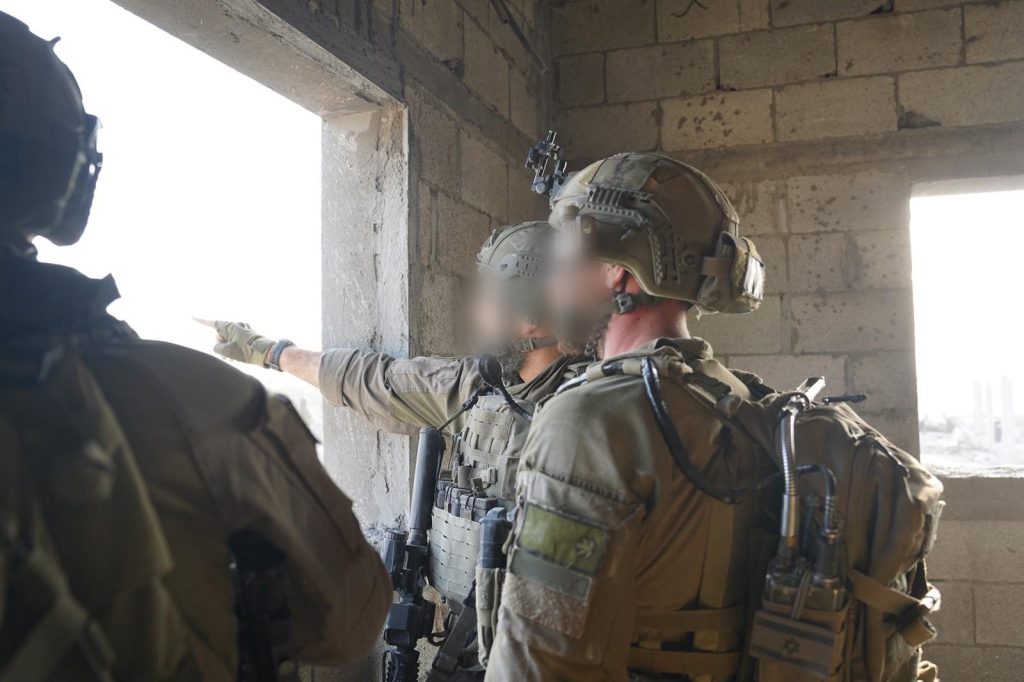
- Prime Minister Netanyahu toured the buffer zone in Syria held by the IDF since the fall of the Assad regime in December 2024. Speaking to Israeli soldiers, he said, “We attach immense importance to our capability here, both defensive and offensive, safeguarding our Druze allies, and especially safeguarding the State of Israel and its northern border opposite the Golan Heights. This is a mission that can develop at any moment, but we are counting on you.”
Context: IDF operations yesterday in both Gaza and Lebanon are potent reminders of how different the current ceasefires are from those which ended previous rounds of fighting — and how different Israel’s approach to forward defence is in a post-October 7 world.
- The IDF’s overwhelming response to a shooting attack in which no Israelis were injured is an indication that as far as Israel is concerned the containment policies of previous ceasefires no longer holds. Not only will the IDF respond to any provocation, but Israel will prefer not to move on to the next stage of the ceasefire without all the terms of the first stage being met, namely the return of all hostages, including deceased hostages.
- The bodies of three Israeli hostages are still in Gaza and have not been returned. This may yet turn into a point of contention with the Trump administration, which is likely to want to move forward even if all the terms of the first phase are not met entirely.
- Israeli officials continue to brief local media that they do not believe that the Lebanese Armed Forces will successfully disarm Hezbollah. The IDF has conducted attacks on targets affiliated with both Hezbollah and Hamas in Lebanese territory. An unnamed Israeli official told Israel Hayom that “the Lebanese Armed Forces are not doing enough. The truth of the matter is that I don’t see the Lebanese Armed Forces disarming Hezbollah. Only the IDF will disarm Hezbollah.”
Looking ahead: The Supreme Court ordered the Government to produce an explanation within 45 days of why it has not yet formed a State Commission of Inquiry to investigate the Hamas attack of October 7, 2023.
- This court order came in response to a petition from several Israeli civil society groups demanding such a Commission of Inquiry.
- The Government has refused to approve such a commission, arguing that the role of the President of the Supreme Court in choosing the composition of the commission, as called for by the relevant Israeli laws, would bias it against the Government.
- Instead, it announced earlier this week a ministerial panel — all of whose members save one were in ministerial posts on October 7 — that will organise a special investigative committee that will not be an official State Commission of Inquiry and whose membership “will reflect as broad a public consensus as possible.”
- The latter commitment is widely interpreted as ensuring that any committee includes right-wing backers of the governing coalition.