
What’s happened: President Trump indicated he was ready to end the war on Iran sooner rather than later. “It’s going to be ended soon,” he told reporters in Florida, “and if it starts up again they’ll be hit even harder.”
- Trump’s comments had an immediate effect on commodity prices, notably causing a rapid fall in oil prices, which had risen dramatically the day before. But the pace of attacks on Iran, and Iranian missile fire on Israel, did not materially change.
- Prime Minister Netanyahu, for his part, also made comments that indicated that Israel does not intend to continue fighting this war until the Iranian regime completely collapses. “Our aspiration is to bring the Iranian people to throw off the yoke of tyranny,” he said during a visit late last night to the National Health Emergency Operations Center. “Ultimately it depends on them. But there is no doubt that through the actions taken so far we are breaking their bones — and our arm is still outstretched.”
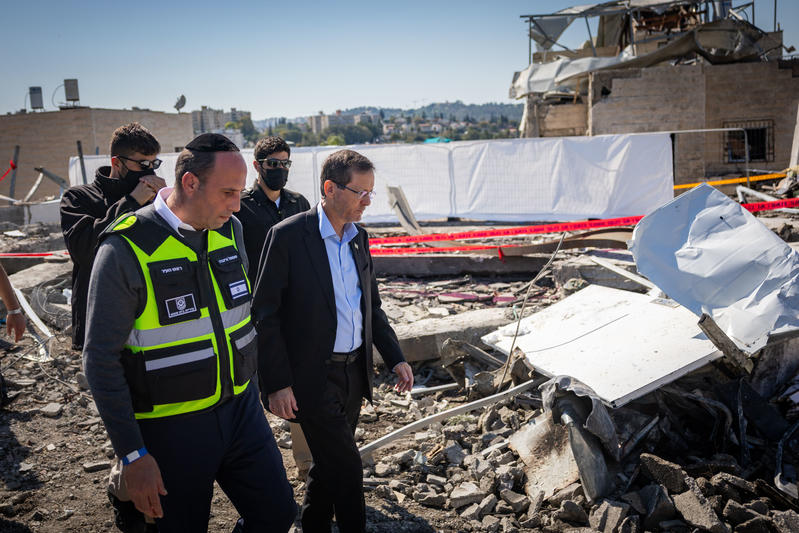
- Two more civilians were killed in Israel yesterday from Iranian missiles. Both were constructions workers on site in the central city of Yehud, not far from Ben Gurion Airport.
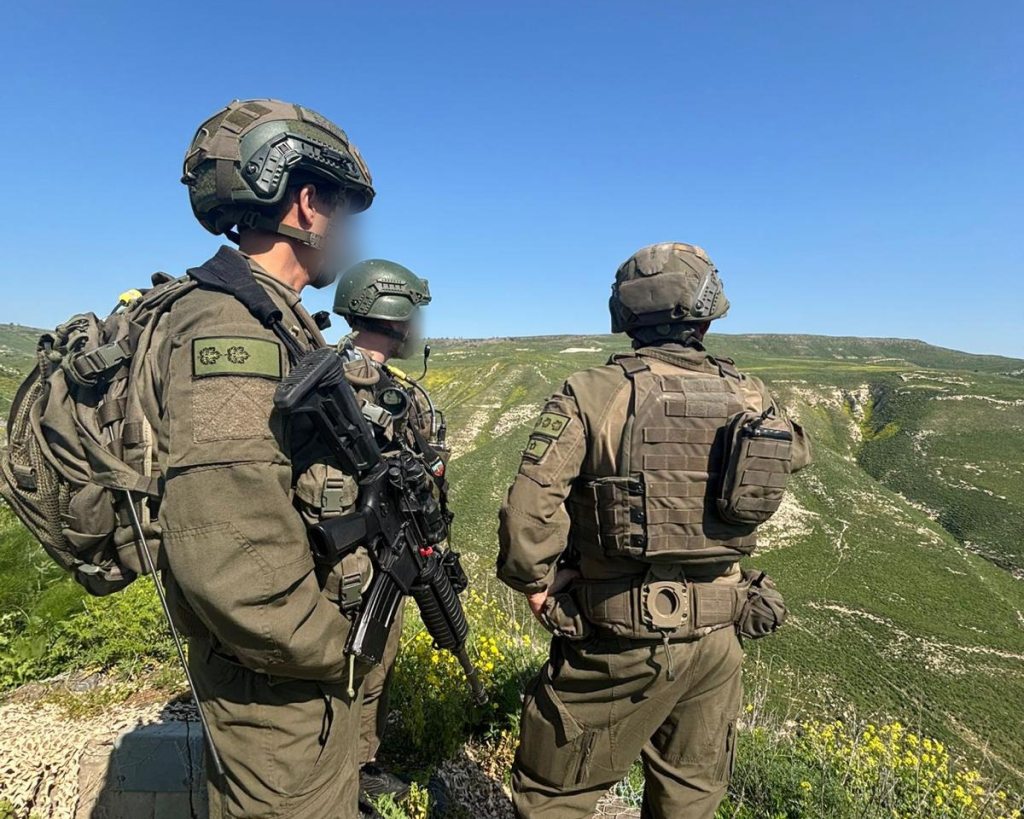
- The name of the second of two soldiers killed in combat in Lebanon was released yesterday. Or Demry, 20, from Liman, near the northern border, was killed along with Maher Khatar 38. Khatar is the first IDF fatality from the Golan Druze community. Unlike Druze from inside Israel’s pre-1967 borders, Golan Druze almost never served in the IDF until very recently.
- Hezbollah too launched a barrage of rockets on central Israel yesterday. One missile hit the city centre of Ramleh, injuring 16.
- Following on Israel’s threat last week that Iranian regime officials in Lebanon who did not immediately leave the country would become targets, the IDF launched a targeted strikes on one hotel room in the Ramada Hotel in Beirut’s upscale Raouché district. The strike eliminated five senior members of the Iranian Revolutionary Guard Corps, all of whom were involved in financing and directing terrorist operations among Iran’s Lebanese and Palestinian clients. Ten other people were injured in the strike. At least 150 Iranian nationals are known to have left Lebanon since Israel issued the unusual threat last week.
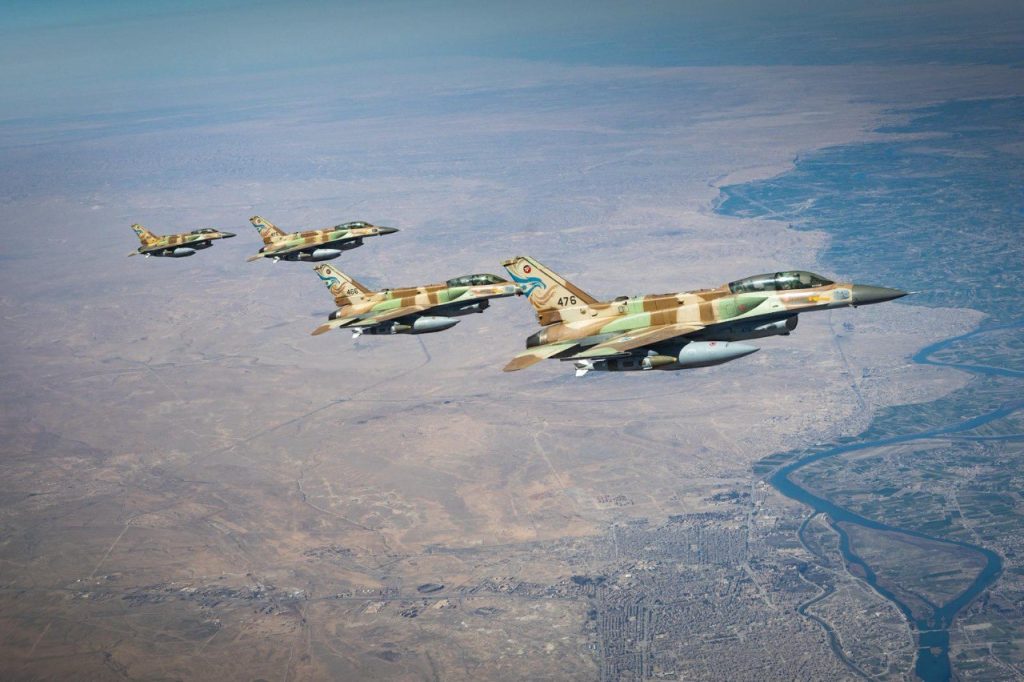
- Meanwhile, the Israel Air Force continued its offensive operations over Iran. IAF airplanes struck the IRGC’s Quds Force Command Centre in Tehran, as well as a missile production and storage site in Isfahan. Airstrikes also disabled at least six Iranian airfields and destroyed the IRGC’s headquarters for unmanned aerial vehicles (UAVs).
- Trump administration envoys Jared Kushner and Steve Witkoff were due to arrive in Israel today, but their visit has been cancelled. It had been intended to discuss strategic coordination between Washington and Jerusalem over the Iran war and, in particular, to focus on reactions among US allies in the Gulf.
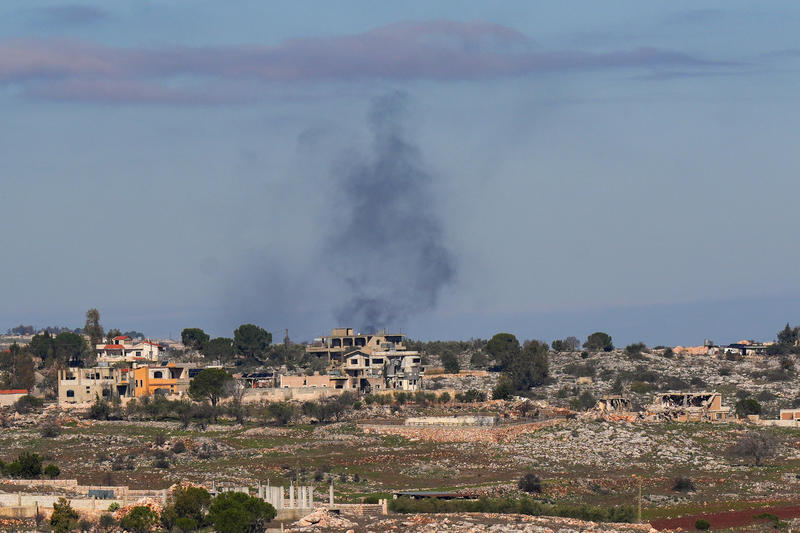
Context: As the IDF continues its offensive operations in Lebanon in response to Hezbollah rocket and drone fire, potentially dramatic diplomatic developments are afoot.
- Lebanese President Joseph Aoun lashed out at Hezbollah in comments yesterday to European officials, saying “Whoever launched those missiles wanted to bring about the collapse of the Lebanese state, plunging it into aggression and chaos… all for the sake of the Iranian regime’s calculation.” He proposed a four-point plan to end the war that would include “establishing a full truce” with Israel and direct negotiations.
- Reports in US media indicated that Aoun was even open to the possibility of negotiating a full peace agreement with Israel, though both US and Israeli officials were reported to be sceptical about the seriousness of the proposal.
- Israeli commentators focused on the strategic dilemma Israel finds itself in at this point in the conflict on its northern border. On the one hand, military achievements from both the 2024 war with Hezbollah and the current fighting have pushed Lebanon into making diplomatic overtures that have been an Israeli wish for decades. If there is a genuine option for concluding the state of war that has been in place for nearly eight decades with Lebanon, there is every reason to pursue it.
- On the other hand, diplomatic and military conditions are ripe for an offensive which could land a deadly and unrecoverable blow on Hezbollah, weakened by the 2024, cut off from its Syrian land bridge, and nearly abandoned by its Iranian patron now deep in survival mode in the face of a massive US-Israeli barrage. To step back from this once-in-a-generation opportunity for the IDF to destroy its most tenacious regional enemy might not be a risk worth taking.
- Avi Issacharoff writes in Yediot Ahronot, “What Israel must understand above all about Hezbollah is precisely what Israel has failed to understand about Hamas all these years, including after October 7: This is an extremist religious organisation that will not hesitate to use any means at its disposal to hurt the other side. They are not afraid of suffering a large number of casualties or damage to real estate, as Hezbollah sustained in Israeli air strikes on the Dahiya Quarter. This is an organisation that has sent hundreds of people to their deaths fighting in Syria in order to save an Alawite tyrant [then president Bashar al-Assad] because that is what Iran ordered it to do. This organisation will do everything it can to cause Lebanon to go up in flames, if only in order to rekindle the broad support [it once enjoyed] in that country. Hezbollah was the side party that invented suicide terrorism in the Middle East, and it does not appear that disarming the group and handing it to one Lebanese government or another will be a simple matter of Israeli bombings from the air.”
- Since Hezbollah joined the war on March 2, most of its rocket fire in this war has been aimed at northern Israel. For Israeli residents, the difference between attacks from Lebanon and Iran is in the lead time to seek shelter: Alerts are sounded when Iranian missile fire is detected, usually five minutes before the sirens that indicate 90 seconds to impact. This gives most people enough time to seek a hardened shelter. With rocket fire from Lebanon, there is no alert, just the siren that gives 90 seconds. For anyone not near a hardened shelter, this is just enough to find a stairwell or some windowless room to seek shelter.
- The weapon that has been a leading source of concern for the Israeli home front was the cluster munitions affixed to Iranian ballistic missiles. These work by releasing a cluster of two dozen or so submunitions from a missile warhead about 10km above the ground, which then disperse over a wide area. They are designed to be used over large military targets, such as airfields, and their use over cities in the manner that Iran has used them in both this war and the Twelve Day War last June is illegal under international law.