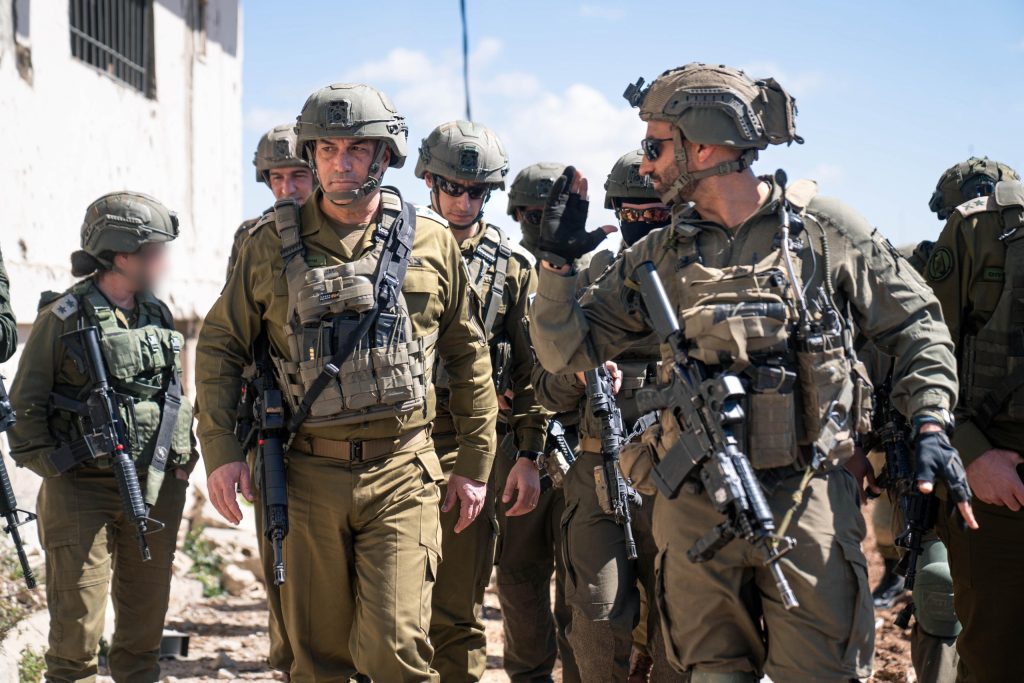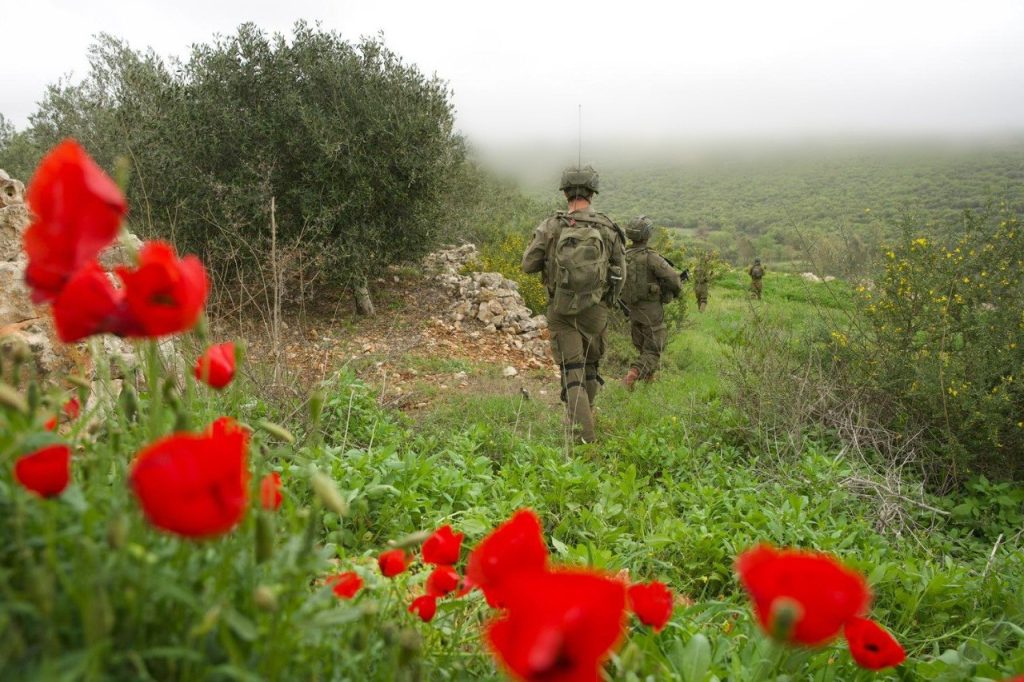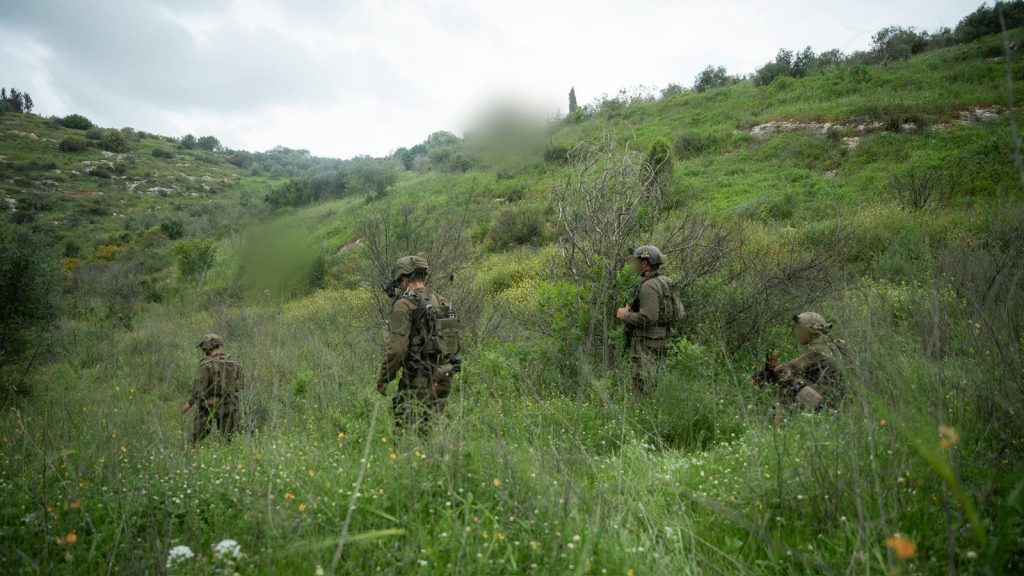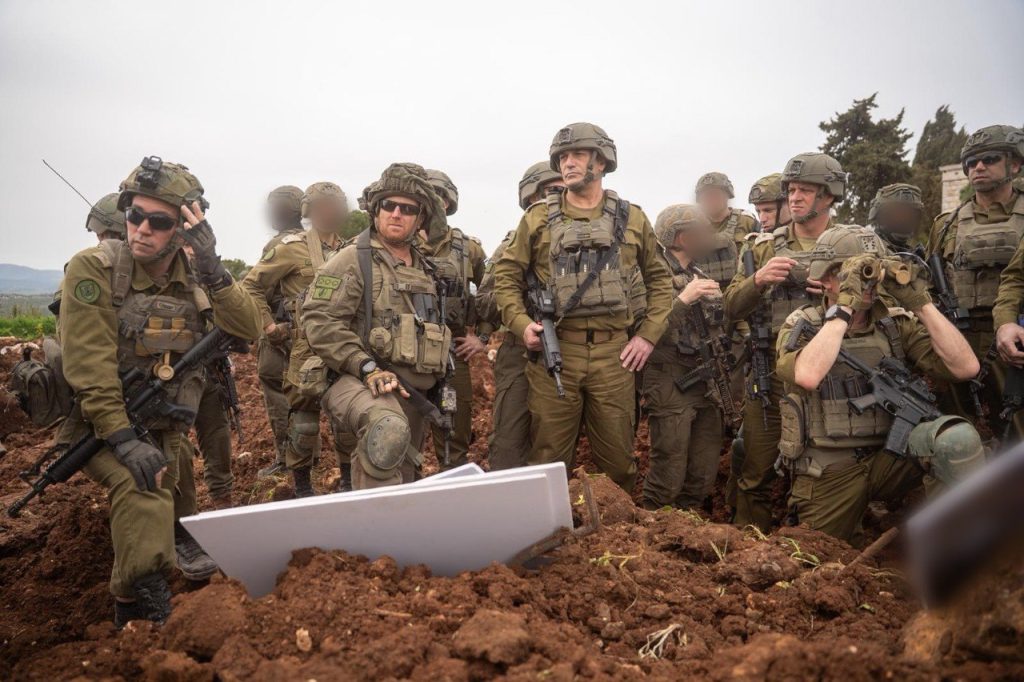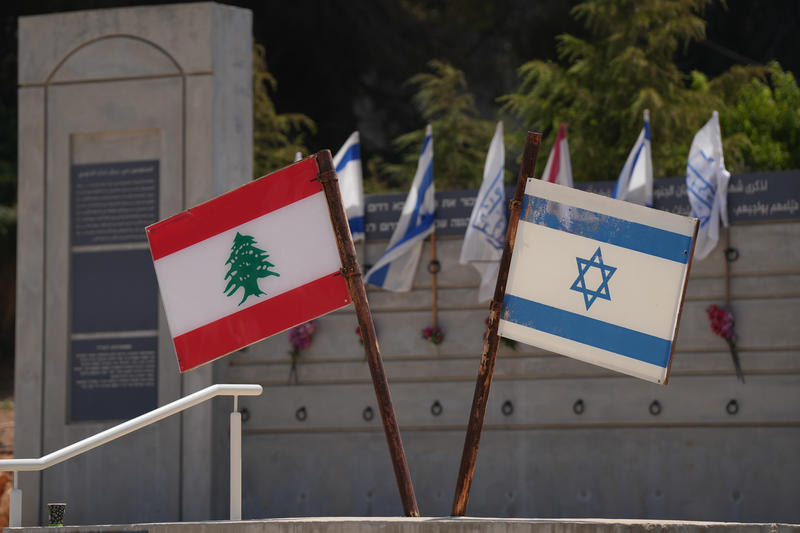
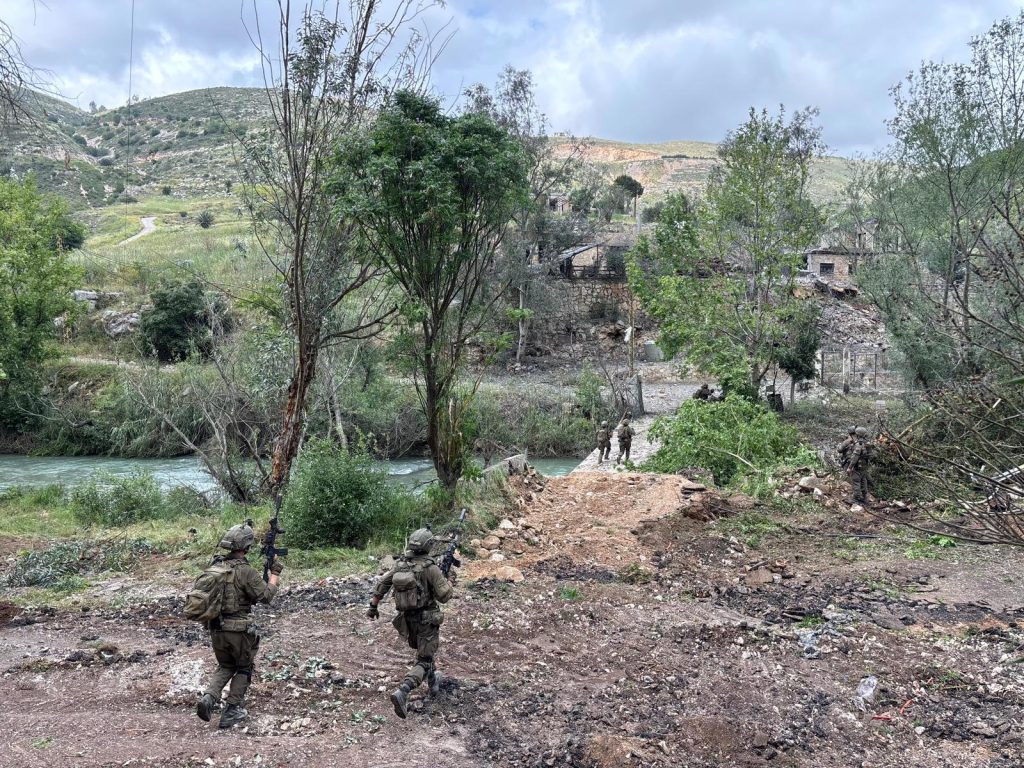
What’s happened: The IDF announced that it had completed a complex operation in Lebanon that saw its forces go beyond the Litani River into Zawtar El Charqiyeh, roughly 10 kilometres north of the Lebanese-Israeli border.
- According to the IDF, dozens of Hezbollah combatants were eliminated in the operation with a small number of Israeli soldiers lightly injured. The entire operation, though north of the Litani River, was still south of the line that Israel sees as its zone of control following the shaky ceasefire in effect for the last month.
- This morning Lebanese media reported strikes on two vehicles south of Beirut. The IDF also announced it had launched a wave of air strikes on Hezbollah infrastructure sites in several areas of southern Lebanon.
- This followed strikes on Hezbollah launch sites yesterday, while ground forces destroyed a large Hezbollah weapons depot in Rachaf in southern Lebanon. Ground forces operating in the area who came under threat from a Hezbollah contingent engaged them and eliminated 15 Hezbollah fighters with no losses to the IDF force.
- Israel continues to seek an adequate response to the threat of Hezbollah fibre optic, First Person View (FPV) drones. An Israeli reservist, Alexander Glovanyov, 47, from Petah Tikva was killed in a drone attack over the weekend.
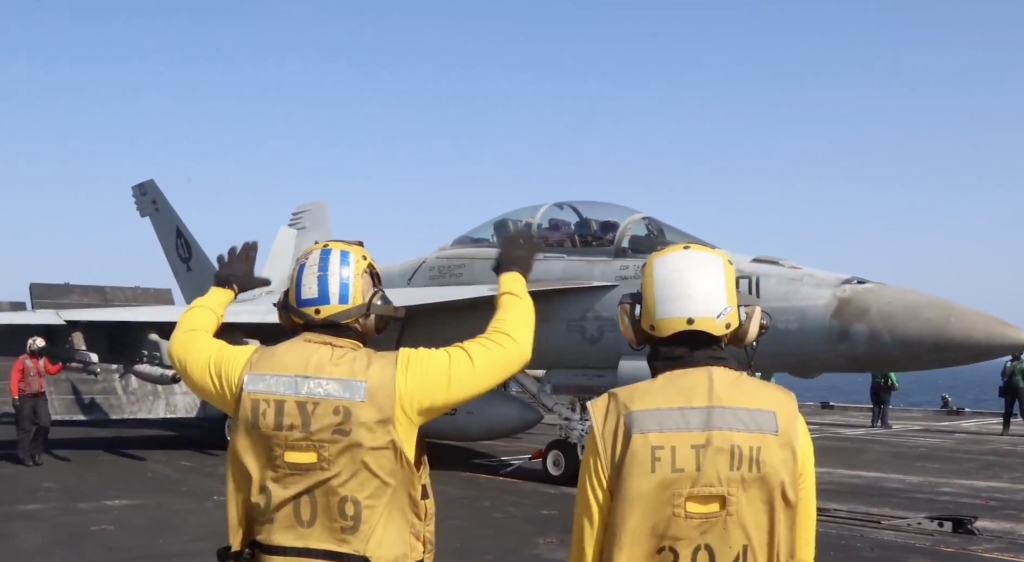
- Leaked American intelligence assessments indicate that Iran has retained roughly 70 percent of its pre-war missile stockpile and roughly 70 percent of its mobile missile launchers. Moreover, according to the assessment, Iran restored operational access to 30 out of 33 missile sites it maintains along the Strait of Hormuz. According to a report in the New York Times, the US held back on using bunker-busting bombs on many missile sites in order to preserve them for operational contingencies in east Asia. Instead, missile sites were struck with ordinary munitions which sealed off entrances and caused significant damage, but did not entirely destroy the sites.
- Amidst a resurgence in inflation linked to energy disruptions and looming midterm elections, President Trump denied that economic or electoral considerations would push him to accept a deal with Iran that didn’t meet his minimal demands. “The only thing that matters when I’m talking about Iran — they can’t have a nuclear weapon,” he said.
- A group of Palestinian contractors who were due to begin the work of rebuilding the destroyed city of Rafah in the part of the Gaza Strip under Israeli control were held up at gunpoint by Hamas and prevented from crossing from the Yellow Line from the Hamas-controlled sector into the Israel-controlled sector, despite the work having been coordinated by the CMCC and the Board of Peace.
- It has been widely speculated that Hamas views any reconstruction, particularly outside its zone of control, as a threat to its continued rule in the Strip. The move comes on the backdrop of new polling data indicating a dramatic drop in Gazans’ support for Hamas.
Context: The IDF’s announcement regarding the successful completion of a weeklong secret operation north of the Litani capped several days of tactical successes in Lebanon. The fact that it was the IDF that informed the world about the operation with no word from Hezbollah was a further indication of its success.
- Despite the ceasefire, towns and villages in northern Israel still come under rocket and drone fire. In incidents this morning and over the weekend, drones were intercepted and sirens were not sounded.
- In the month since the ceasefire went into effect, the IDF has reported eliminating some 350 Hezbollah fighters and striking roughly 1,100 Hezbollah targets.
- Throughout the current round of fighting in Lebanon, which began on March 2 when Hezbollah launched rockets into northern Israel, civilians have not for the most part been evacuated from the north. A massive evacuation of northern communities in the panicked aftermath of the October 7 attack nearly three years ago is widely viewed in Israel as having been a mistake — granting Hezbollah an unearned tactical victory, costing the Treasury dearly, and disrupting families and schooling for tens of thousands.
- The April 26 ceasefire left Israel in control of a small security zone in southern Lebanon, where Israeli forces have come under consistent attacks from FPV’s, fibre-optic drones operated by a long cable rather than by remote control, making them impervious to electromagnetic jamming. The IDF has scrambled to find an adequate response to this threat, while reportedly also launching a rapid manufacturing drive for its own FPV’s. Two hundred Haredi soldiers are expected to serve in the new purpose-built factory. Officials have also been studying Ukrainian tactics in meeting a similar threat over the last four years of war there.
- A US-Iran deal that ends the war in the Gulf, if one is reached, is expected to drastically limit Israel’s freedom of action in Lebanon and possibly even lead to a definitive end to the fighting on this front. Israeli officials remain concerned about such a possibility, particularly if a deal does not also end or severely curtail Iran’s support for its network of regional proxies, including Hezbollah in Lebanon.
Looking ahead: President Trump is expected to stay in China two more days and then return to Washington.
- A renewed US aerial assault on Iran is unlikely to get underway while the President is in China, but the weekend of his return is anticipated as the moment when either a deal is struck — or the war resumes.