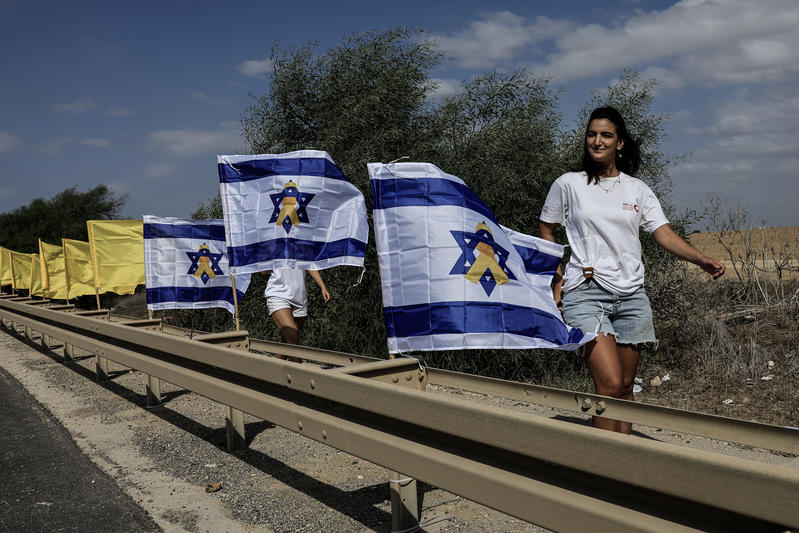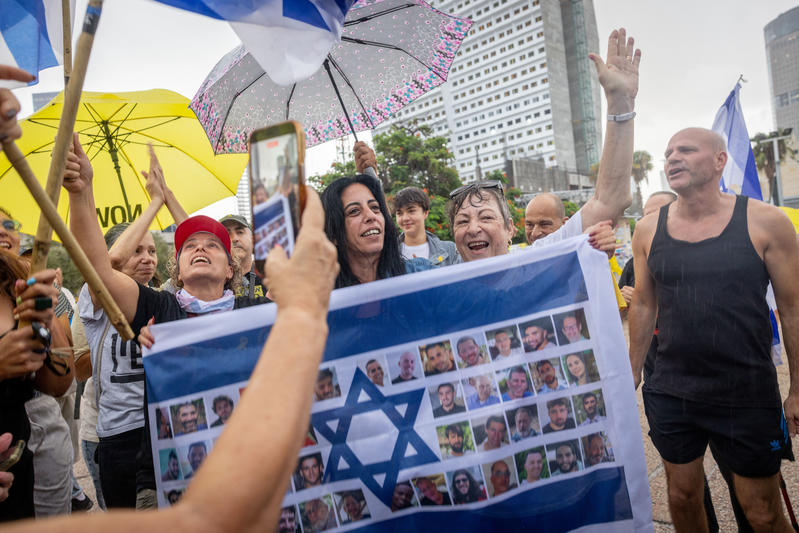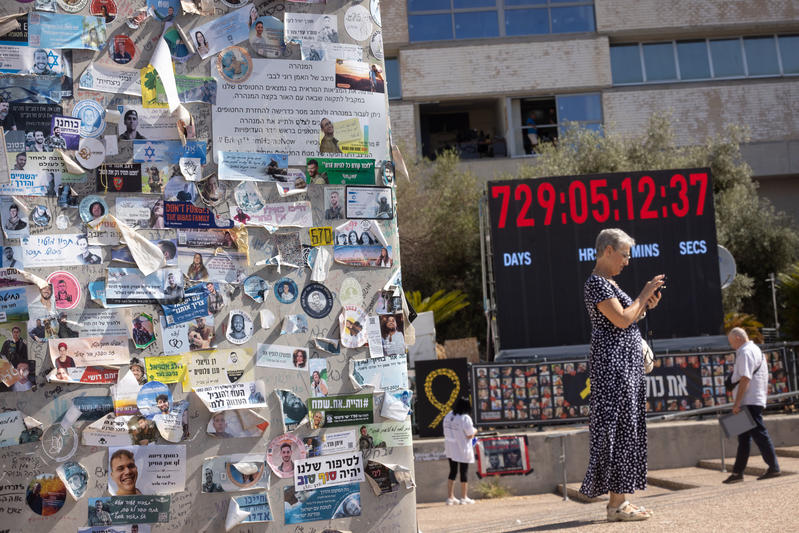
What’s happened: Following on the heels of the release of all the living Israeli hostages held in Gaza, Hamas has begun to hand over to Israel the bodies of deceased hostages as well. The ceasefire agreement in effect since last Friday stipulates that all hostages, living and dead, are to be returned to Israel before the parties advance to the second stage of the agreement.
- Over the past 72 hours, the National Institute of Forensic Medicine has positively identified nine bodies handed over by Hamas.
- Staff Sergeant Tamir Nimrodi, 18, was abducted alive in the October 7 attack and killed in captivity during the early stages of the war.
- Sergeant Major Muhammad Al-Atresh, 39, from the Beduin village of Sa’wa, was a Tracker in the IDF’s Northern Gaza Brigade.
- Captain Daniel Perez, 22, an immigrant from South Africa and platoon commander in the IDF, was killed battling Hamas during the October 7 attack.
- Yossi Sharabi, 53, was kidnapped from his home on Kibbutz Beeri and killed in captivity.
- Uriel Baruch, 35, was murdered fleeing the Nova Festival, and his body was taken into Gaza.
- Eitan Levi, 53, was also murdered in the October 7 attack, and his body was taken to Gaza and held for two years.
- Guy Iluz, 26, was injured in the attack on the Nova Festival, and died in captivity after not receiving proper medical treatment.
- Bipin Joshi, a Nepalese citizen, was abducted from Kibbutz Alumim and murdered in captivity several months later.
- Inbar Hayman, 27, was murdered at the Nova Festival, and her body was held by Hamas. She was the only female hostage still in captivity following the January-March 2025 ceasefire.
- One body handed over by Hamas was determined to not be an Israeli hostage at all and was retuned to Gaza via the Red Cross.
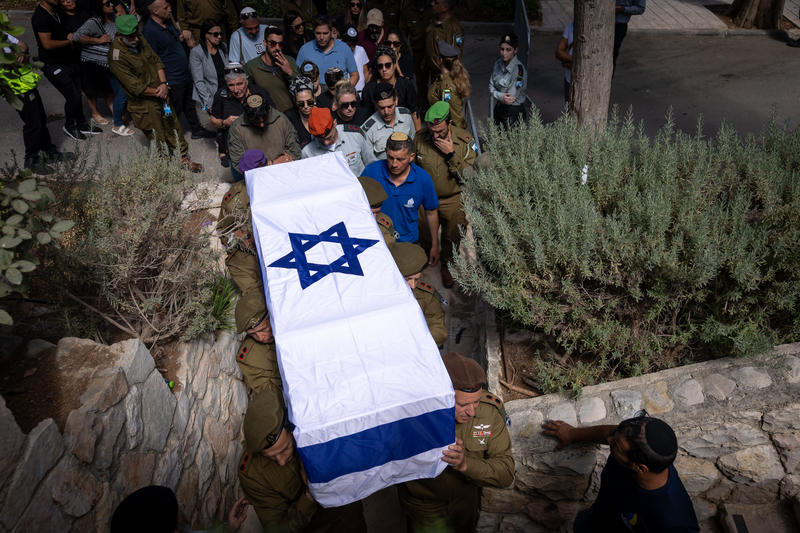
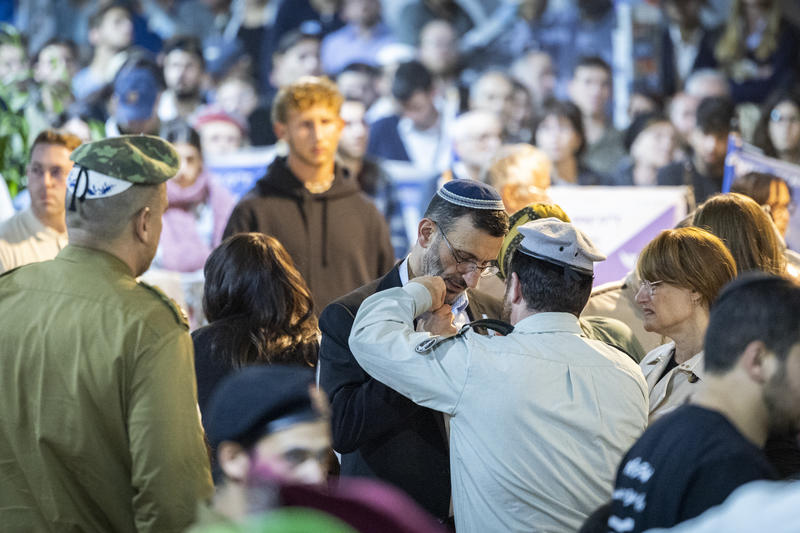
- A funeral held on Mt Herzl in Jerusalem for Daniel Perez yesterday was attended by Matan Angrest, who fought with Perez in the same tank on October 7.
- Angrest was released by Hamas together with the other remaining living hostages on Monday after two years in captivity, where he was subject to particularly extreme mistreatment. “It was important for me to salute and pay final respects to my commander, Daniel,” he said. “Daniel led our heroic battle that Saturday.”
- President Herzog also attended the funeral. “Daniel led his soldiers with responsibility, with faith in the justice of their cause, and with boundless love for his people and his homeland,” he said in his eulogy. “He fought until the last drop of blood, embodying the very spirit of the Israeli warrior — steadfast, moral, and brave. Today, the son of the nation returns to his soil, to our soil.”
Context: With the release of the remains of nine hostages, Hamas claimed that is has completed the handover of all the deceased Israeli hostages it can find. Nineteen more hostages believed to be dead remain to be handed over to Israel. Yedioth Ahronot reports that Israeli defence officials believe that at least ten of those are easily accessible to Hamas and that the terror organisation is deliberately dragging its feet on implementation of the agreement.
- Throughout the war Hamas has at various times claimed to have lost contact with hostages it held or even alleged that hostages who were still alive were dead. Such actions have been a part of its psychological warfare campaign.
- The remaining hostages, all presumed dead, are among its last real bargaining chips as negotiations over the future of Gaza without Hamas leave it isolated even from their longtime backers in Qatar and Turkey.
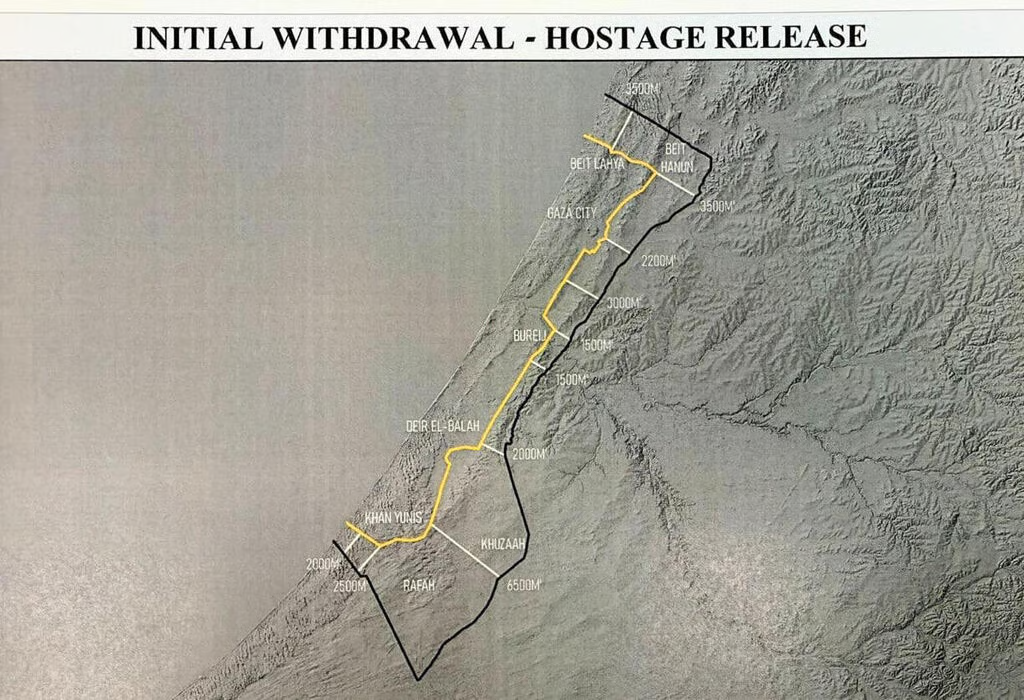
- A full hostage release in the first stage of the agreement is necessary in order to move on to the second stage, which will involve further withdrawals of IDF forces from Gaza. While Israel waits for more bodies to be handed over, it has delayed the full opening of the Rafah Crossing between Gaza and Egypt.
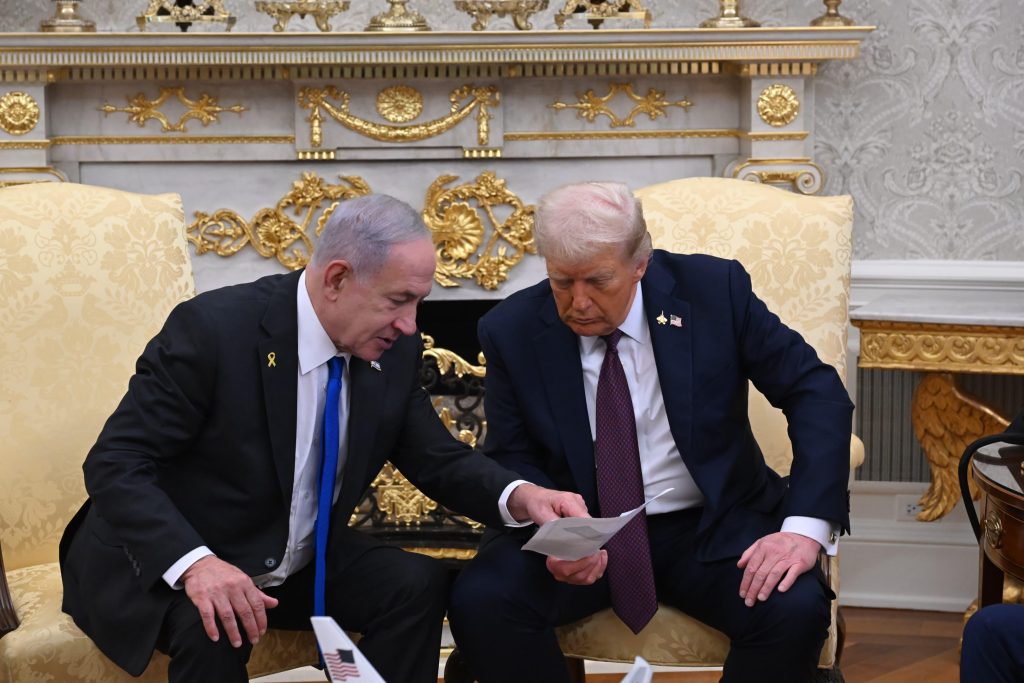
- President Trump told CNN that if Hamas fails to uphold its end of the deal, Israel would have his approval to renew its military offensive in Gaza. “Israel will return to those streets as soon as I say the word,” he said. “If Israel could go in and knock the crap of them, they’d do that.”
- Other administration officials, however, emphasised that as far as the US is concerned, Hamas is not now in breach of the agreement. Live hostages were a priority for the administration, and these were indeed released on deadline, and it was understood by all parties that it might take time to locate all the bodies of deceased hostages.
- Turkish and Egyptian teams will enter Gaza and, with the help of Israeli intelligence, help locate remaining bodies of Israelis abducted in the October 7 attack.
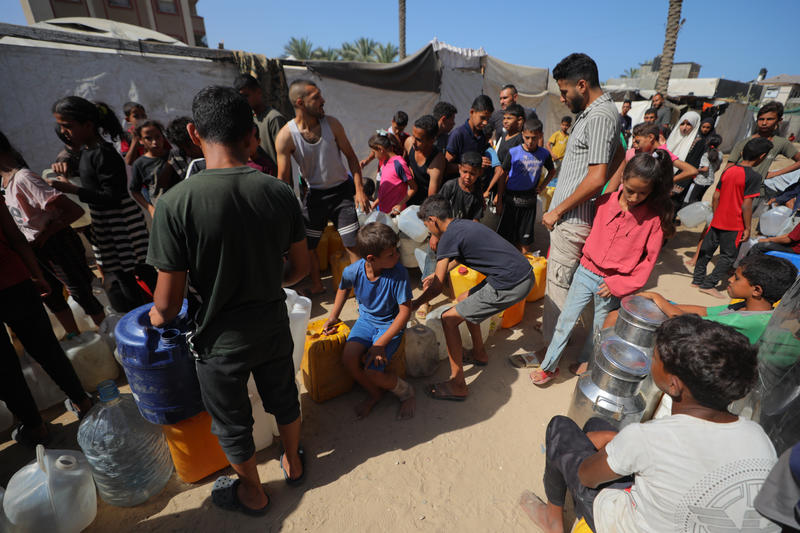
- Internecine fighting among Palestinian factions in Gaza raged over the past three days. Hamas officials reported that 10 Hamas operatives and 20 members of rival factions were killed this week. In one widely circulated video, Hamas fighters are seen lining up eight captured Palestinians on a crowded Gaza street and summarily executing them.
- As part of the peace plan, Israel released 250 terrorists serving life sentences, along with 1,700 detainees who were arrested after the October 7. The list includes notorious terrorists.
Looking ahead: There were conflicting reports about negotiations underway regarding the second stage of the new ceasefire, with the Prime Minister’s Office denying a report in the Wall Street Journal that official talks had begun in Egypt. In the second stage, the sides are due to agree on the new regime which will govern Gaza and on the process of disarming Hamas.
- Yedioth Ahronot reports that Egypt and Jordan have trained a small Palestinian force of about 1,000 police officers to help enforce security in the Gaza Strip.
- They Egyptians would like to see this force grow to at least 10,000 officers, but Israel is expected to object to any official armed presence of the Palestinian Authority.
- The terms of the ceasefire call for an International Stabilisation Force (ISF) to operate alongside a “technocratic” Palestinian government. So far, only Indonesia, a country which does not recognise Israel, has offered to send soldier to Gaza, though its offer referred to a UN mandate (which does not exist) and not to the ISF.
- American officials quoted anonymously also mentioned contributions from the UAE, Qatar, Egypt, and Azerbaijan, though both the UAE and Qatar deny any intention of sending forces to Gaza.