What’s happened: There was a notable de-escalation in southern Lebanon yesterday, following two days of incidents which nearly brought the June ceasefire to a breaking point.
- The Israeli air strikes on Monday and Tuesday were in or near the Shiite town of Nabatieh, with the deadliest occurring in the nearby village Kfar Roumanne, where Lebanese officials reported twelve killed in an air strike described by Israel as targeting a Hezbollah weapons transport.
- The Israeli air strikes were in response to Hezbollah drone attacks on IDF positions earlier this week, in violation of the ceasefire in place since June 19.
- Lebanese officials quoted anonymously in the media described the Hezbollah drone attack as a deliberate provocation by Hezbollah in an attempt to provoke an Israeli response and extricate itself from the closing noose around it. The Israeli daily Yediot Ahronot published an extensive interview with an unnamed senior Lebanese official on its front page this morning reiterating this point.
- Elsewhere in the interview, the same senior official from Lebanon made repeated references to the prospect of reaching a full peace treaty with Israel at some point in the future. “The Lebanese people now dream of peace with Israel,” he was quoted as saying. “This hope began when Israel killed Nasrallah. Hezbollah is Lebanon’s cancer, but in order for it to succeed, we need your help. Israel must promise us that there won’t be an Israeli occupation in Lebanon.”
- Regarding Hezbollah disarmament, he said, “It’s clear to us that only you can do the job, but do it properly. You need to declare that when Hezbollah is disarmed, Israel will make a complete withdrawal. Then peace will be possible between our countries.”
- At the same time, Lebanese officials speaking publicly directed their ire more at Israel than at Hezbollah, with Lebanese President Joseph Aoun calling the Israeli air strikes a “dangerous escalation.”
Context: According to both Lebanese and Israeli observers, Hezbollah sought to escalate the fighting at the beginning of the week in response to the significant strategic setback it absorbed on — and under — the Ali Taher Ridge, overlooking Nabatieh.
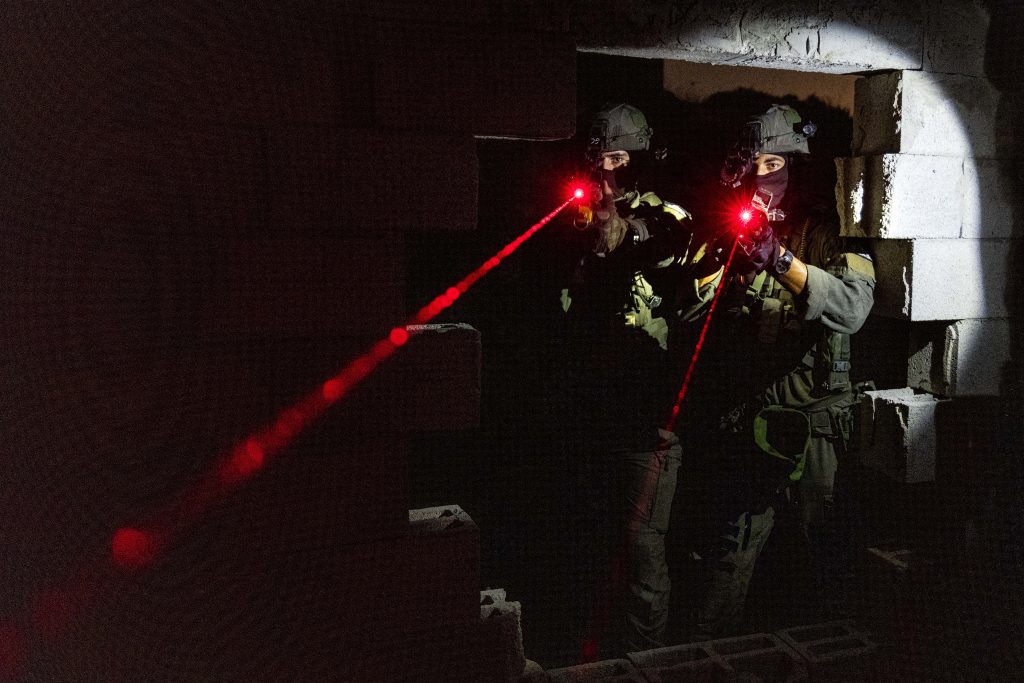
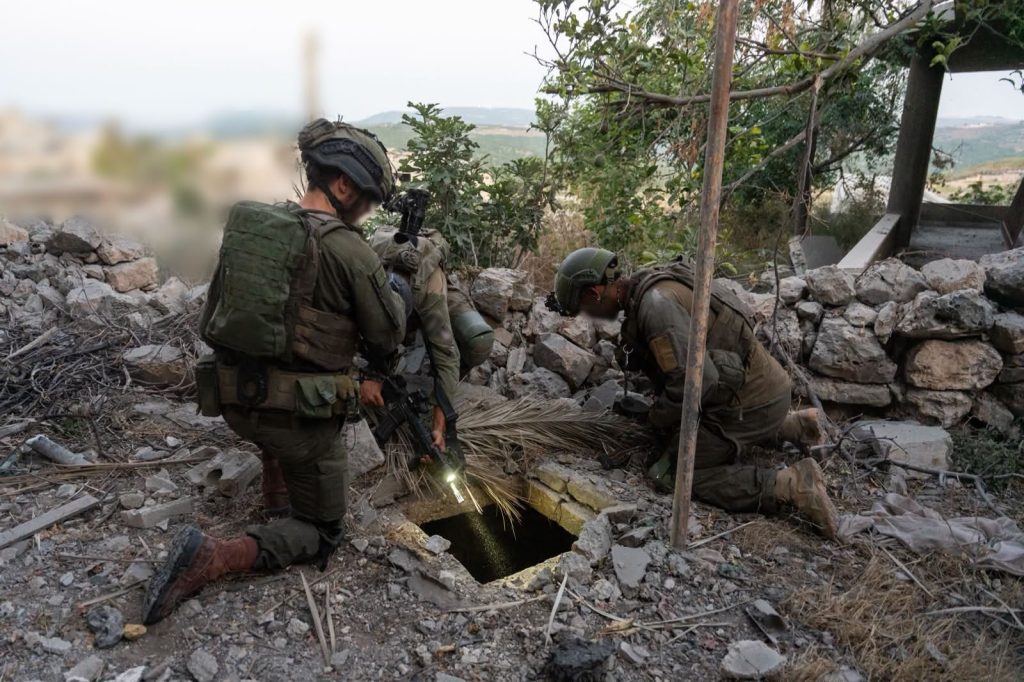
- IDF forces had besieged the massive underground facility inside the ridge all summer, with large numbers of Hezbollah fighters apparently holed up inside. The facility, containing command centres, weapons depots, and living facilities and supplies for extended deployments, had been constructed over the course of two decades by Hezbollah’s Badr Unit with financing from the Islamic regime in Iran, according to official Israeli sources.
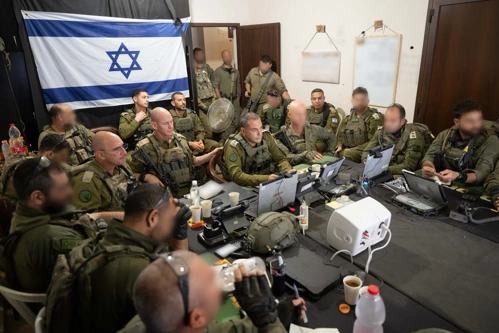
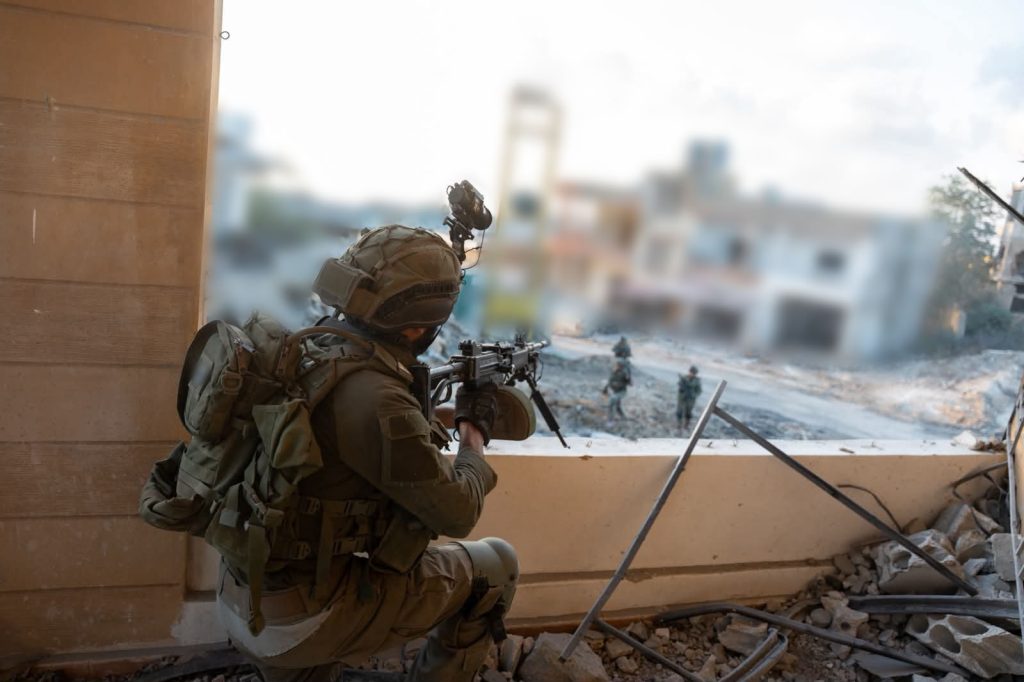
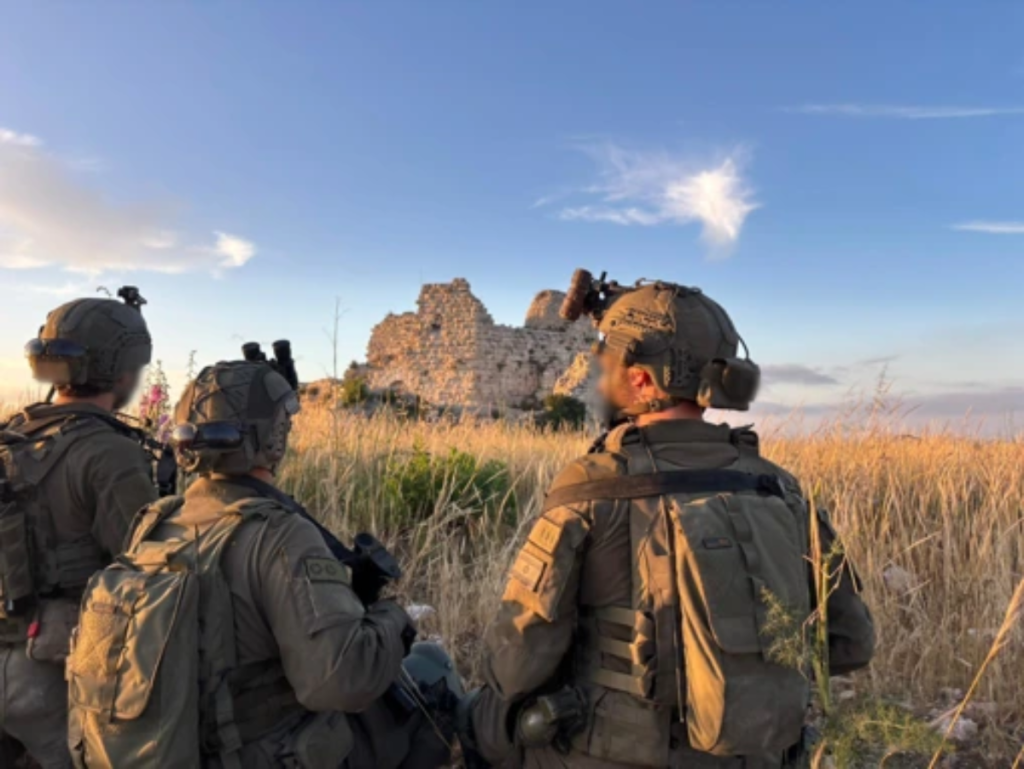
- Late last week, the IDF announced that it had achieved “operational control” of the ridge and its underground facilities. Prime Minister Netanyahu followed on the IDF’s announcement saying that “a great many terrorists were eliminated there,” but gave no specific figures, and neither did the IDF. Pictures of the operation, carried out by the IDF’s 36th Division, were also not forthcoming for the time being.
- Israeli officials hinted that once the facility under Ali Taher was destroyed, it would be more likely that Israel could continue withdrawing its forces from southern Lebanon. This is a notable development as Israel officials had been publicly expressing deep disappointment with the performance of the Lebanese Armed Forces in the small “pilot zones” which the IDF handed over to the LAF in southern Lebanon in late July. Three pilot zones were established six weeks ago, in Zawtar al-Gharbieh, Froun, and Srifa, as explicit prototypes for further Israeli withdrawals. In all three, according to Israel, the LAF did not effectively carry out full disarmaments of Hezbollah. In the Yediot interview referred to above, the senior Lebanese official effectively conceded that Israel’s disappointment was justified, but blamed the LAF’s general weakness for the problem.
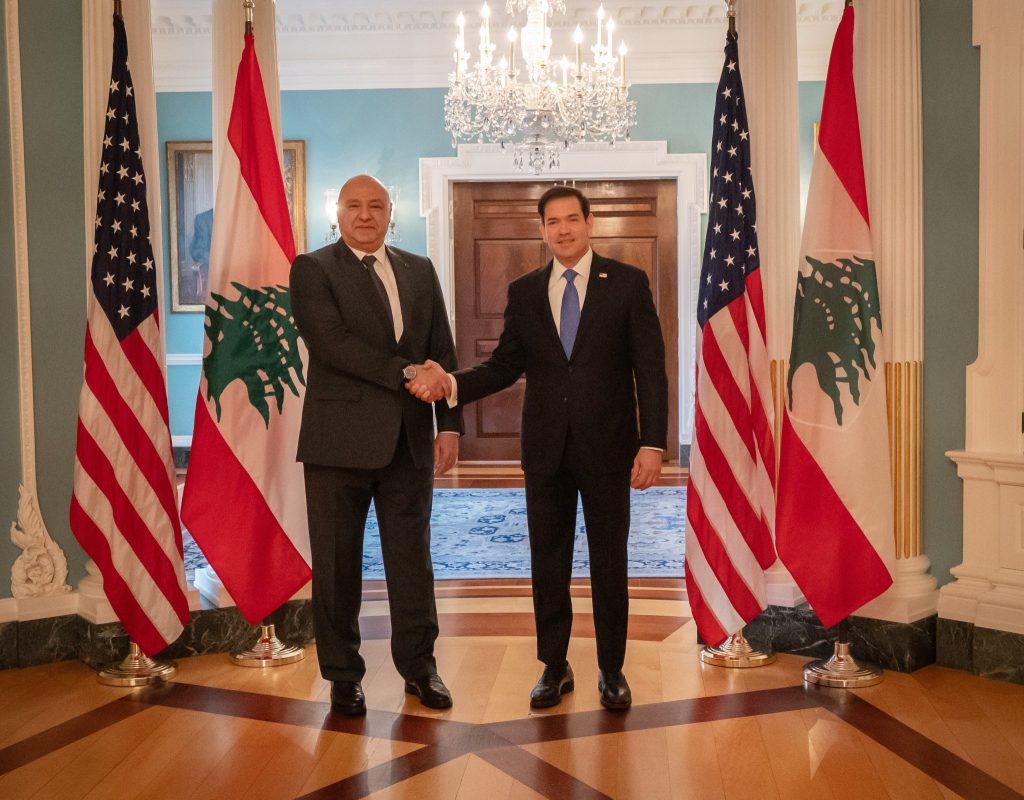
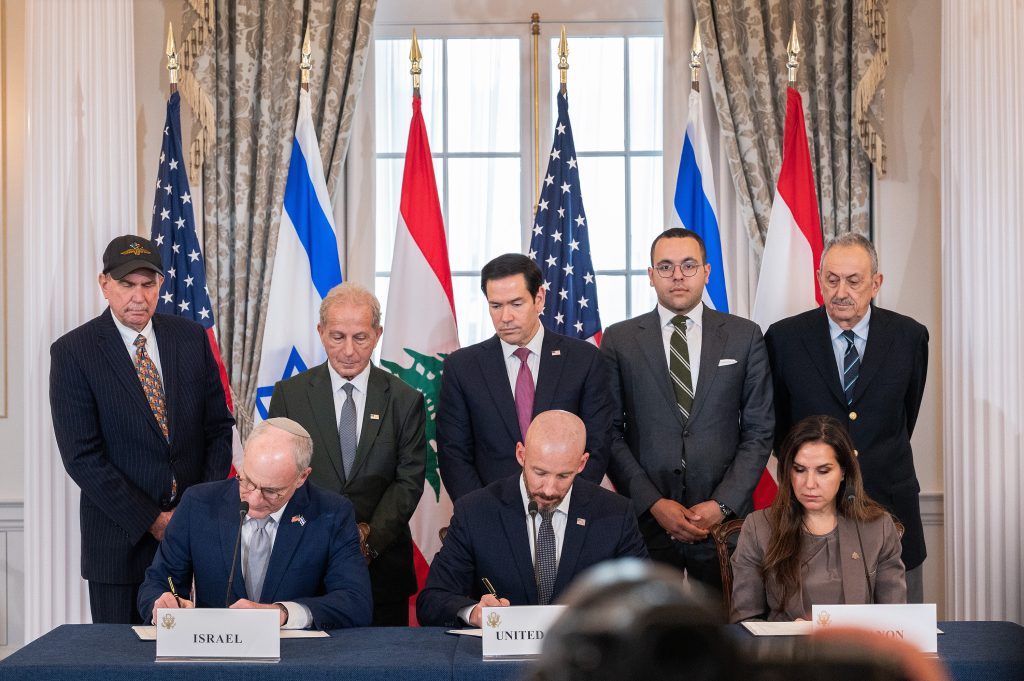
- Diplomatic efforts continue, mostly mediated by the US, to reach a more robust Israel-Lebanon agreement that would see a full withdrawal and, at a minimum, some kind of long-term non-belligerency pact between the two states if not a full peace treaty. The US sent its ambassador to Lebanon Michel Issa for a short visit to Israel last week just before the most recent escalation to convey messages between the two governments.
- It is likely that Issa’s brief visit to Israel was also connected to a deal that was quietly negotiated between Israel and Lebanon regarding the release of prisoners held by Israel in exchange for Lebanese help locating the remains of Jewish community leaders who were kidnapped and murdered in Lebanon in the 1980’s.
- Israel released five civilian detainees, three Lebanese citizens and two Syrians, and handed them over to the Red Cross on the border at Rosh Hanikra – Naqoura.
- Eleven communal leaders of Lebanon’s tiny Jewish community were kidnapped and murdered in 1984-87, and the bodies of seven of them have never been recovered.
- The agreement was promoted by US officials as a confidence-building gesture for both parties.
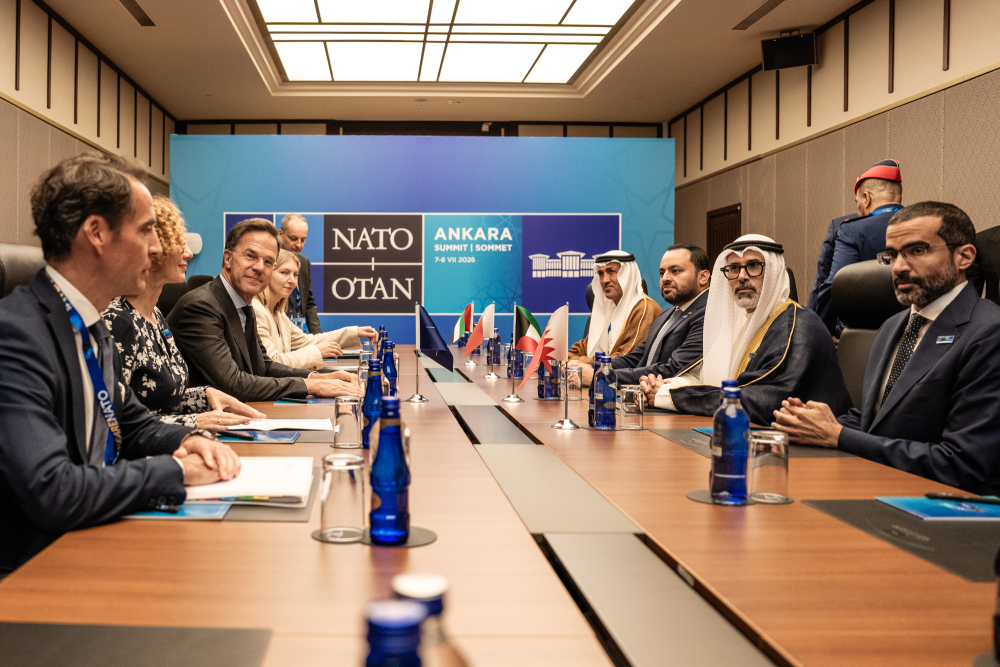
- The topic of the Israel-Lebanon problem was also a major concern at the fourth MEAD Conference underway this week in Washington. MEAD (Middle East American Dialogue) brings together representative from 24 countries, mostly in the middle east, for Chatham House-style talks and includes Israel as well as several countries which don’t maintain formal diplomatic relations with it. The MEAD conference was apparently where the Yedioth interview with the senior Lebanese official took place.
Looking ahead: For now, it appears that spectre of a major escalation has passed. The Lebanese government is keen to keep the pressure on Hezbollah, let Israel do the heavy lifting of disarming Hezbollah where the Iran-backed terrorist organisation is most firmly entrenched, and then accept responsibility for more pilot zones where and when the required effort to keep Hezbollah out will be significantly less.
- The next diplomatic milestone will be not in Washington but in Rome, where Lebanese and Israeli officials are due to meet for direct talks on September 15 and 16.
- The IDF is on a heighted state of alert across all fronts as the Jewish High Holidays begin tomorrow evening.