What’s happened: An Israeli air strike eliminated Radwan Force Commander Malek Balout. The Radwan force is Hezbollah’s elite strike force.
- Balout has been its commander since January 2024 when the previous commander Wissam al-Tawil was eliminated. Under both men, the Radwan Force has been responsible for rocket fire on Israel and for preparing an October 7-style invasion of Israeli territory from the north.
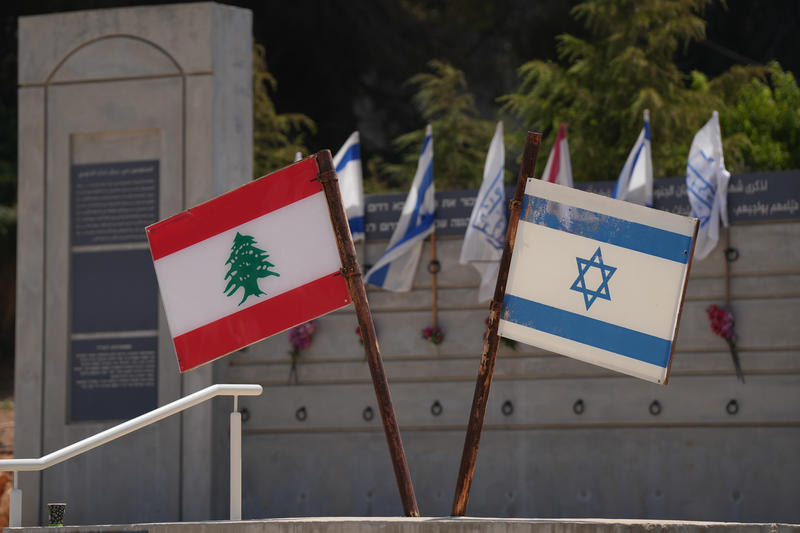
- Balout was eliminated in his hideout in the Dahiya quarter of Beirut. It was Israel’s first air strike in Beirut since an informal commitment to the US to refrain from striking Beirut four weeks ago in order not to destabilise the US-Iran ceasefire. It is understood that Israeli officials informed the US about the impending air strike.
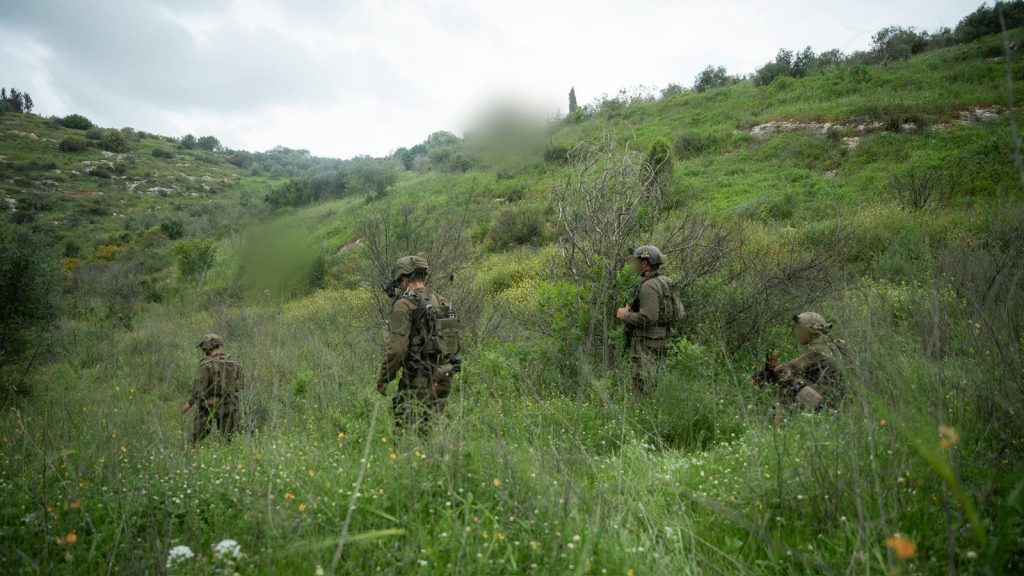
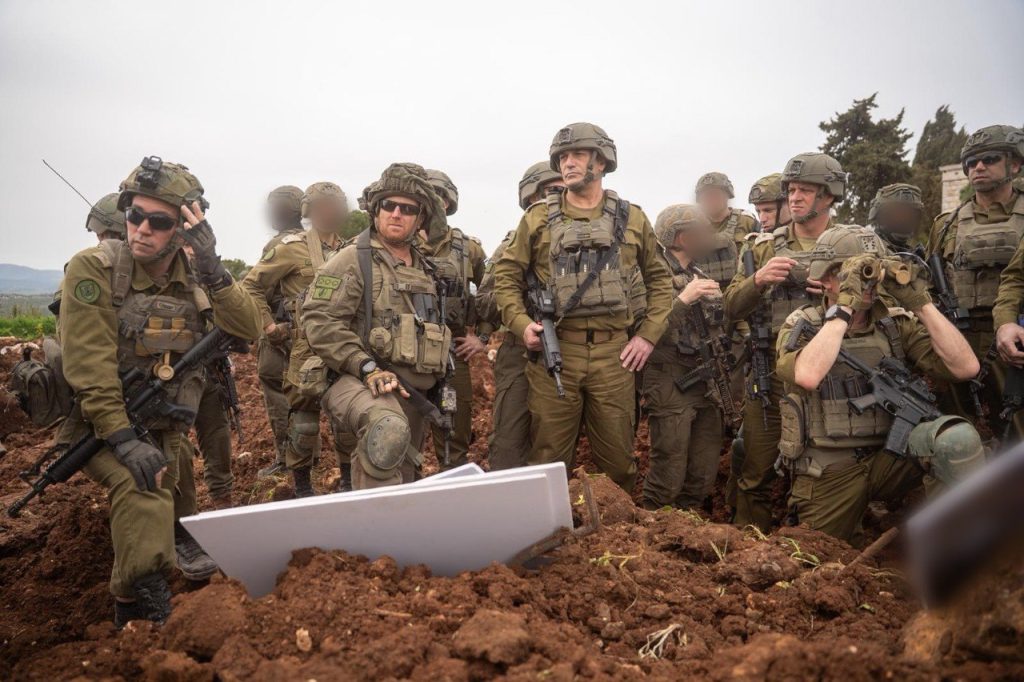
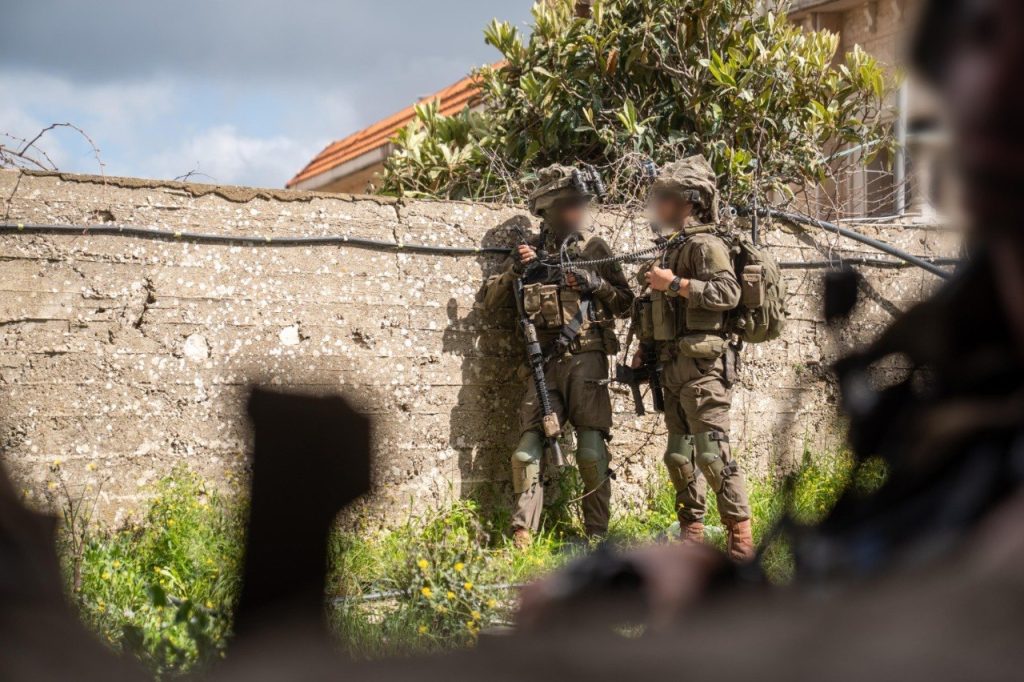
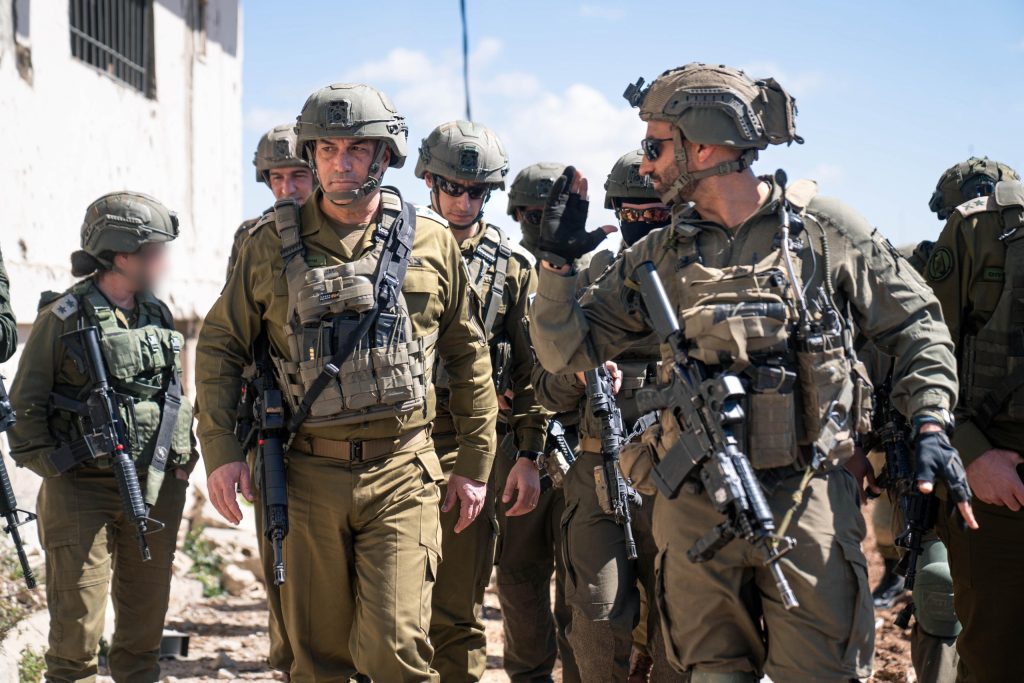
- In a separate incident, four IDF soldiers were wounded in a Hezbollah attack last night in southern Lebanon. One of the four is listed in a serious condition. The attack was carried out by an explosive drone. In an earlier attack, three more soldiers were wounded by an explosive drone, including one who was also listed in a serious condition.
- Gaza was also the scene of an Israeli air strike, though the exact target of it remains unclear, with some media reports suggesting that a senior Hamas terrorist from the Nukhba force, which led the charge in the October 7 massacre, was targeted.
- Local media reports focused on the death in the strike of Azzam al-Haya, a Hamas militant who is also the son of senior Hamas leader Khalil al-Haya, target of Israel’s unsuccessful air strike in Doha last year. Israeli officials indicated, however, that al-Haya was not the target.
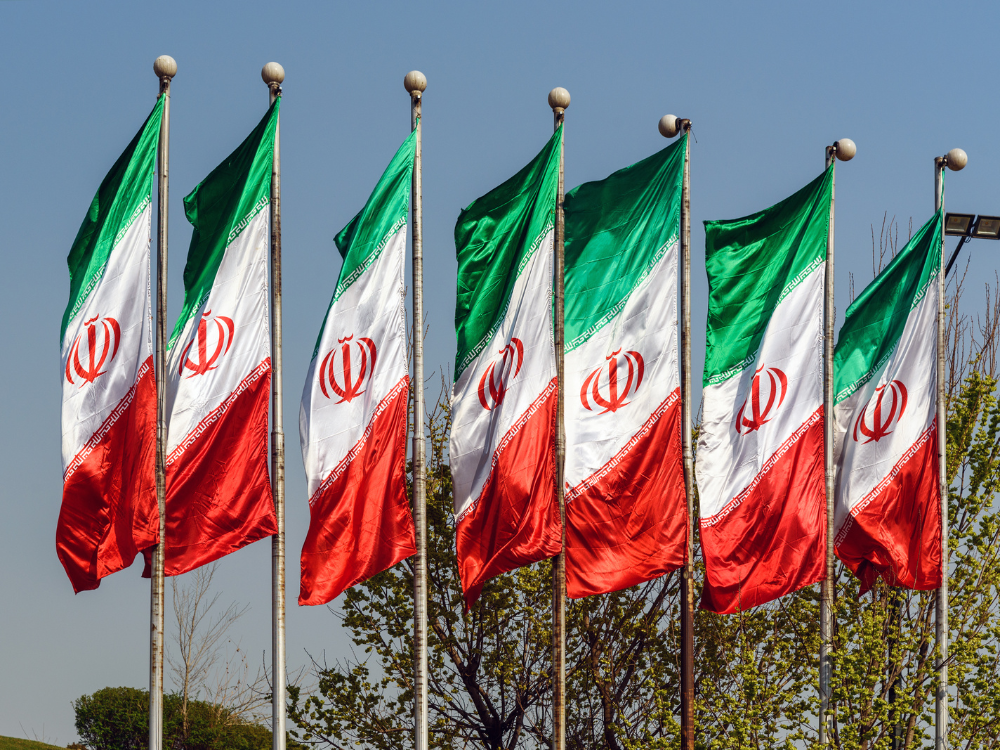
- The Israeli security cabinet met last night to discuss President Trump’s fourteen point proposal to conclude the war with Iran, a further indication that a successful conclusion to the negotiation process is considered a realistic possibility, even if not a guaranteed one. Prime Minister Netanyahu was keen to emphasise the high level of coordination between Jerusalem and Washington, saying yesterday, “We have full coordination between us, no surprises. We share common objectives, and the most important objective is the removal of the enriched material from Iran, all of the enriched material, dismantling enrichment capabilities in Iran. President Trump believes that he can achieve that in one way or another. But we are prepared for any scenario.”
- The IDF meanwhile is still preparing for the possibility that the negotiations fail and the war resumes. Chief of General Staff Eyal Zamir said yesterday that, “We have an historic opportunity to change the regional reality in the multi-theatre war. Cooperation with the US military and coordination remain constantly ongoing and we are monitoring the situation. We have another series of targets in Iran that are ready for attack. We are on heightened readiness to resume a powerful and broad war that will facilitate deepening our achievements and which will further weaken the Iranian regime.”
Context: The exact details of Trump’s proposal have not been made public, but it was reported that the Iranians were given a one-page memorandum containing fourteen points.
- The memorandum stipulates a 30-day period after the agreement in principle to negotiate a detailed agreement. But already in the points would be included various commitments, such as:
- the removal of highly enriched uranium (HEU) from Iran,
- a moratorium on enrichment for an unknown number of years,
- a limit on enrichment up to 3.67% after the end of the moratorium,
- restrictions on weaponisation activities (not just on nuclear technology itself),
- restrictions on underground facilities,
- snap inspections, and
- Iranian pledge never to build a nuclear weapon.
- The proposal also calls for an immediate opening of the Strait of Hormuz, sanctions relief, and a declaration of a formal end of US-Iran hostilities.
- Some reporting mentions the inclusion of the ballistic missile programme and Iranian sponsorship of regional proxies and other reporting leaves it out.
- Multiple reports in western media indicate that Iran might agree to the removal of HEU from Iran, which could explain the optimism from the White House. Even in such a case, the Iranians would be still be left with lower-grade enriched uranium which they could rapidly enrich to a higher grade if they wanted to pursue a rapid breakout to a nuclear weapon.
- Overall, Israeli officials appear divided on both the question of whether an agreement is likely and on the question of whether an agreement that hues to these lines is a positive development.
- Sanctions relief without limitations on Iran’s proxy network will be a vital lifeline for Israel’s most violent regional threats at precisely the moment when Israeli military action had finally degraded their capabilities.
- A concession on HEU that leaves Iran with the potential to enrich again on its own might just delay a future reckoning to a less advantageous point, from the Israeli and American standpoint. An Iran that reconstitutes its ballistic missile programme outside the shadow of a rigid sanctions regime could threaten Israel in future conflicts in the region.
- At the same time, there has been no indication that the Israeli-American offensive has put the regime’s grip on power in question, as was hoped by decision-makers in Jerusalem and Washington when the war was first embarked on two months ago.
Looking ahead: Iran has not responded to President Trump’s proposal, though leaks from US officials indicate the US is expecting an answer soon — and that US officials are unusually optimistic about the outcome.
- Trump will be in China next week, and it is widely understood that he will want to successfully conclude the diplomatic process by then. Failing that, a renewed military offensive would likely commence upon his return on May 16.