What’s happened: Following President Trump announcement on Thursday afternoon, the ceasefire between Israel and Hezbollah came into effect midnight local time.
- The sides released a joint statement which stated how an understanding had been reached “in which both nations will work to create conditions conducive to lasting peace between the two countries, full recognition of each other’s sovereignty and territorial integrity, and establishing genuine security along their shared border, while preserving Israel’s inherent right to self-defence.”
- The statement also confirms that “Israel and Lebanon request that the United States facilitate further direct negotiations between the two countries with the objective of resolving all remaining issues, including demarcation of the international land boundary, with a view to concluding a comprehensive agreement that ensures lasting security, stability, and peace between the two countries.”
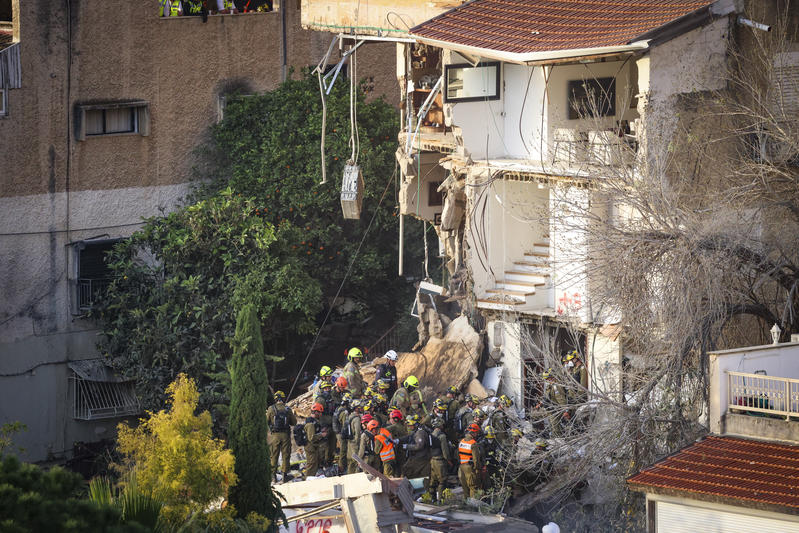
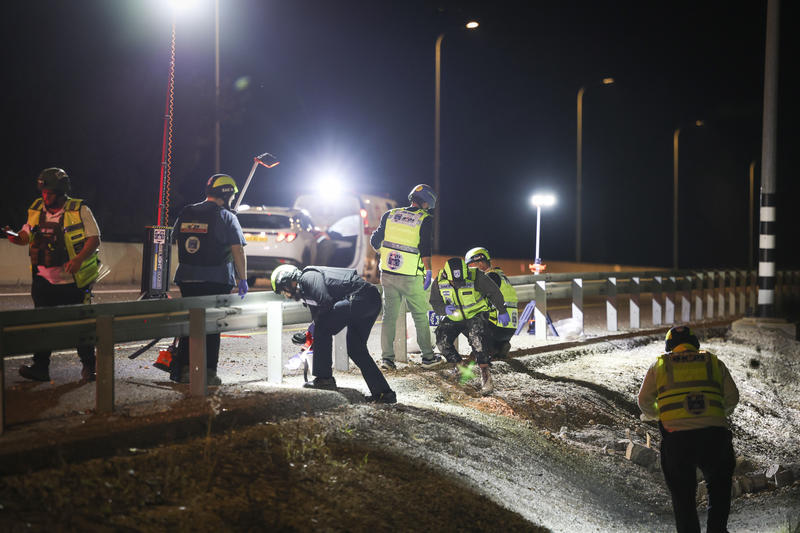
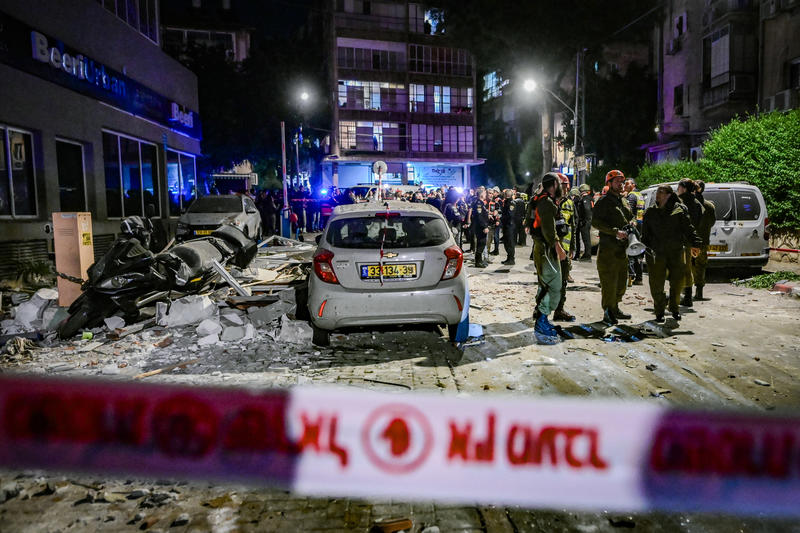
- In the final hours before the ceasefire Hezbollah fired dozens of missiles and rockets towards northern Israel. Most of them were intercepted and several landed in uninhabited territory. A 25-year-old motorcyclist and a 17-year-old girl sustained serious injuries from interceptor shrapnel near the city of Karmiel. A 40-year-old man in Nahariya sustained moderate injuries.
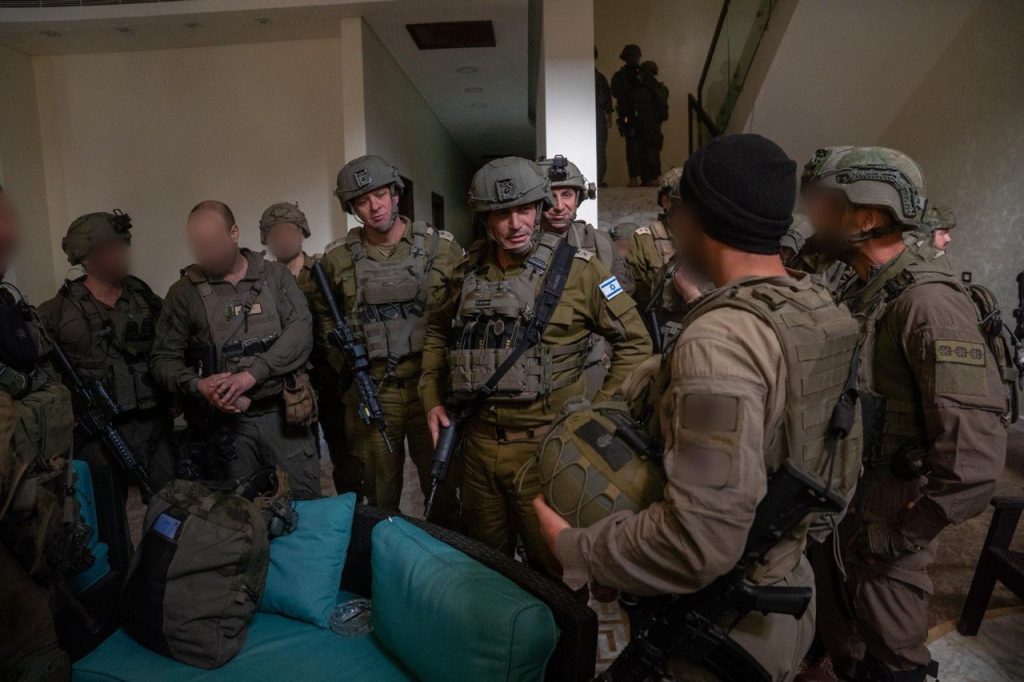
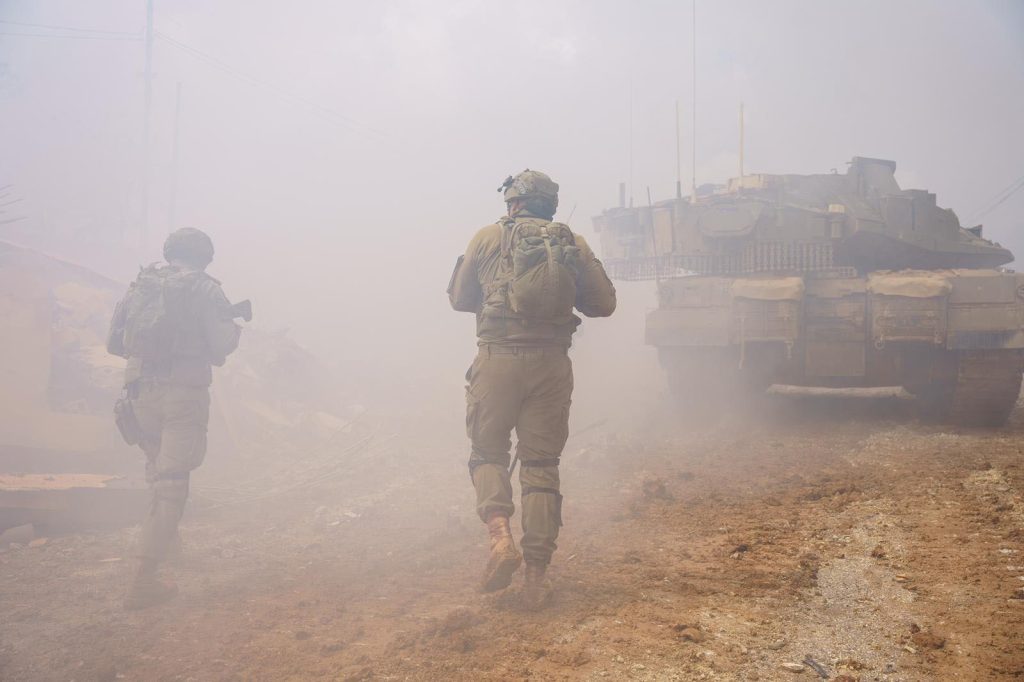
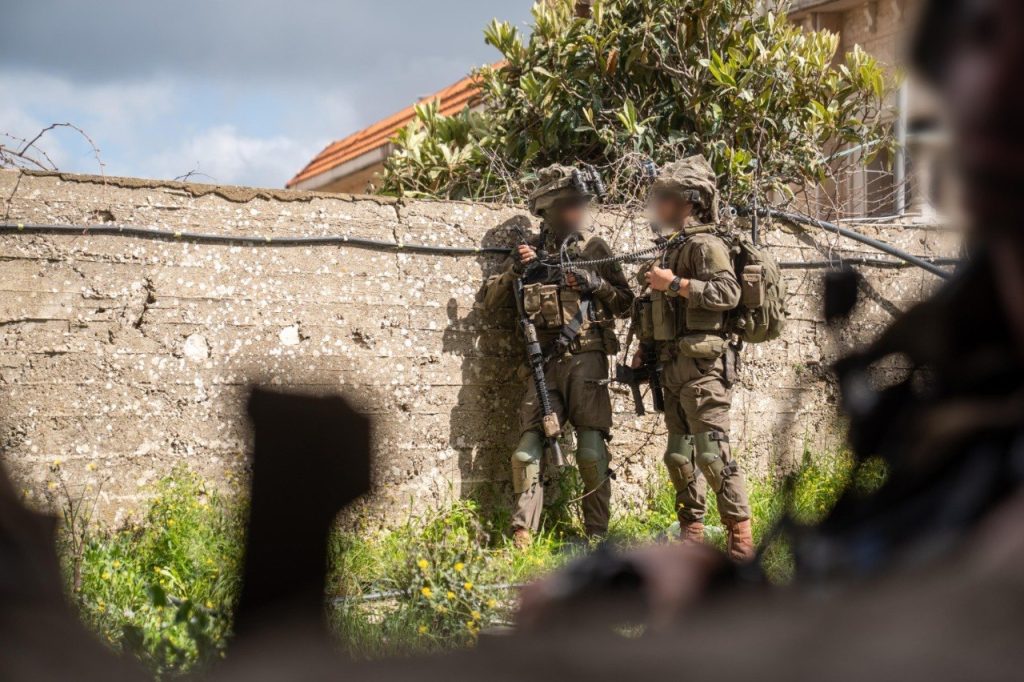
- Inside Lebanon the IDF attacked the launchers that fired the rockets. IDF officials reported that more than 380 Hezbollah targets in southern Lebanon were attacked in the past 24 hours.
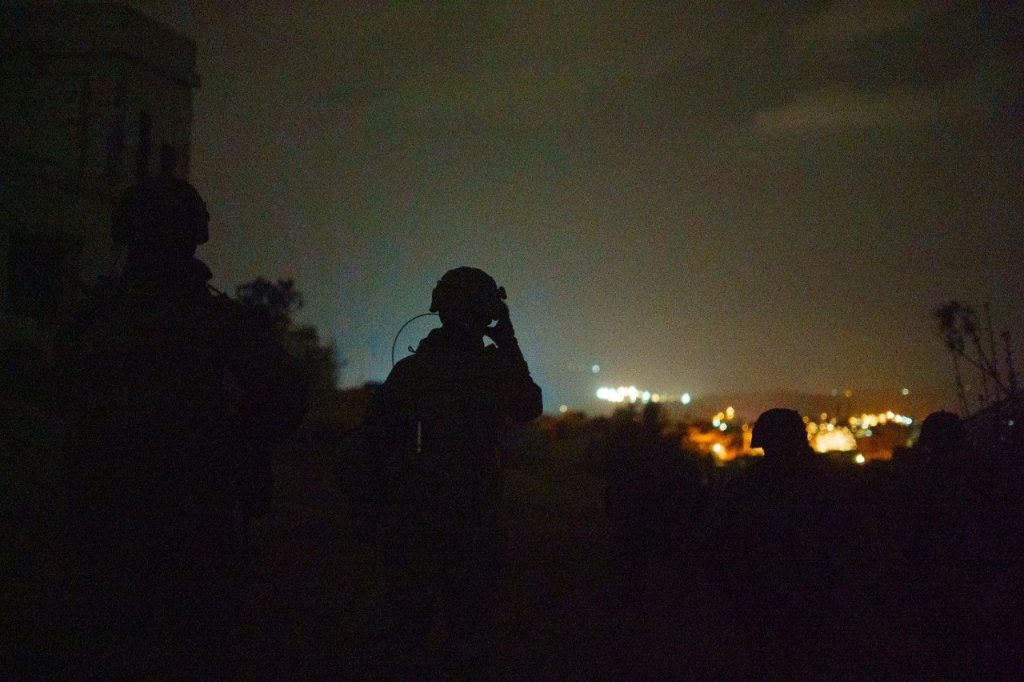
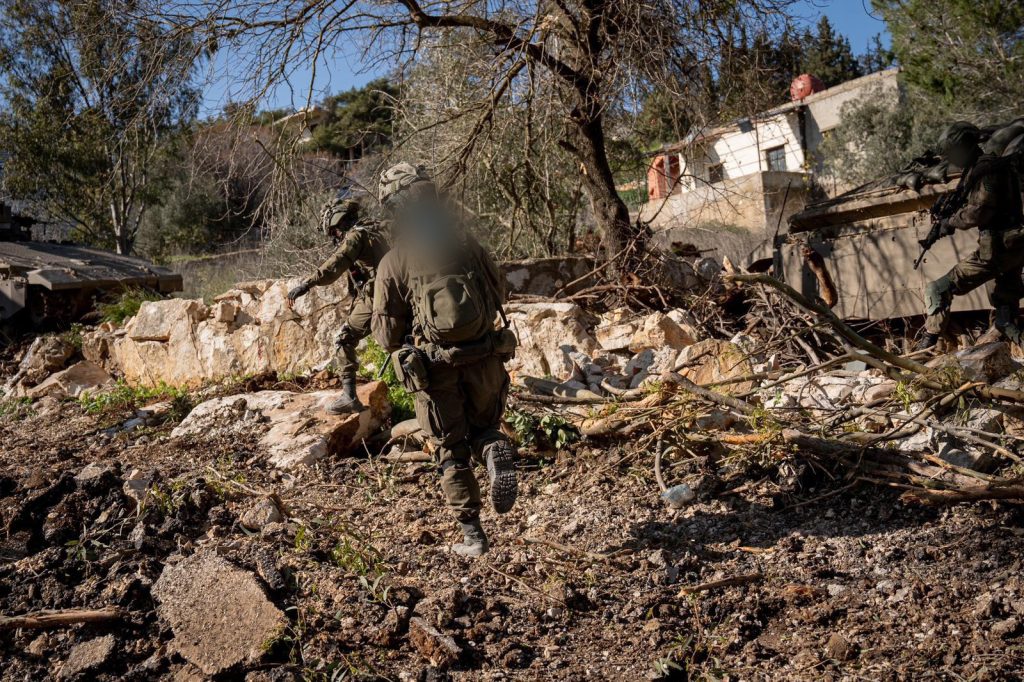
- The IDF told residents of southern Lebanon that IDF troops would remain in the area despite the start of the ceasefire and residents are forbidden to travel south of the Litani River. However, as of this morning it appears many Lebanese are ignoring this warning. Earlier in the day Lebanese President Aoun rebuffed US efforts to hold a telephone conversation with Prime Minister Netanyahu, contrary to President Trump’s declaration the day before.
Context: Prime Minister Netanyahu had informed government ministers at the security cabinet meeting on Wednesday that in the event that Trump were to ask Israel to hold its fire in Lebanon, he would agree. Nevertheless, the timing came as a surprise to the Israeli public and government ministers.
- There is grave concern that behind the scenes it was Iran that demanded the linkage to their own ceasefire, reinforcing the perception that their influence in Lebanon remains intact. This was a situation that Israel had categorically rejected when the US and Iran agreed to the broader ceasefire.
- Marom Hagalil Regional Council Chairman Amit Sofer told Israeli media, “It’s unreasonable for Trump to link the Lebanese theatre to the Iranian theatre. By so doing, he’s sentencing the residents of northern Israel to more years of an ongoing threat. The IDF must be allowed to win and to achieve the objective that the political leadership gave it: disarming Hezbollah…. Hezbollah must be isolated from its Iranian big brother, that’s part of cutting off the terrorist lifeline and breaking the axis of evil, which is why a ceasefire is currently a worse possibility for the north than continuing the war is.”
- The ceasefire is expected to follow the same format of the agreement that was concluded by the Biden administration in November 2024, whereby Israel will be allowed to take action against Hezbollah violations. There is hope (but limited confidence) that this time the Lebanese government will also act to enforce the agreement. However, even though the IDF continued to operate in Lebanon and to strike Hezbollah since November 2024, it is now self-evident that Hezbollah was still able to rebuild and threaten the residents of northern Israel.
- In an encouraging sign the statement including mutual “full recognition of each other’s sovereignty.” This is particularly significant as it marks the first time that Lebanon and Israel have recognised each other in a normalised fashion rather than as enemy states.
- Following Trumps announcement, Prime Minister Netanyahu declared, “We have two fundamental demands for these peace talks: First, the disarmament of Hezbollah. Second, a sustainable peace agreement, peace through strength. To achieve this ceasefire, Hezbollah insisted on two conditions: First, that Israel must withdraw from all Lebanese territory, back to the international border. Second, a ceasefire based on the ‘quiet for quiet’ model. I agreed to neither of these, and indeed, those two conditions are not being met.”
- He further clarified, “We are remaining in Lebanon in a reinforced security buffer zone…. This is a security strip ten km deep, which is much stronger, more intense, more continuous, and more solid than what we had previously. That is where we are and we are not leaving. This allows us, first and foremost, to block the danger of an invasion into our communities, and secondly, it allows us to prevent direct anti-tank fire into the communities. The residents are now protected from these two dangers. Of course, there are still problems; They still have rockets left. We will have to deal with that as well, as part of the progress toward a security agreement and a continuous peace treaty.”
- Earlier this week, Israel and Lebanon’s ambassadors to the US met for direct talks under Secretary of State Rubio’s supervision in Washington DC. These were Israel and Lebanon’s first direct talks since 1993, and shortly afterwards a joint statement was released proclaiming how they had held “productive discussions” on steps “toward launching direct negotiations between Israel and Lebanon.”
- This comes as the US and Iran also move towards extending their own ceasefire with further Pakistani mediated negotiations taking place in Islamabad.
Looking ahead: According to Netanyahu, he is anticipating another invitation to the White House, this time along with Lebanese President Aoun, for an opportunity “to forge a historic peace agreement with Lebanon.”