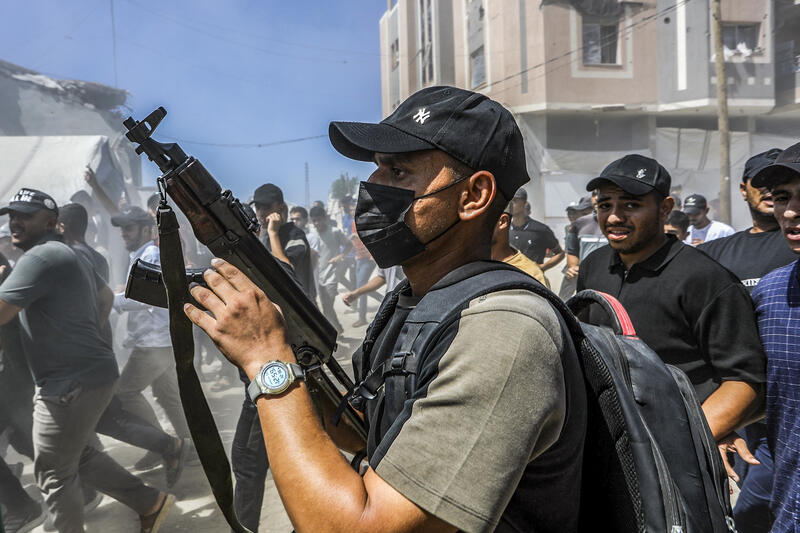
Gaza: For the second time this week, the IDF successfully targeted a Hamas brigade commander in the Gaza Strip.
- On Tuesday, Nael Abu Obeid was eliminated in an Israeli airs trike. He was the commander of the Hamas Rafah Brigade, which had been heavily degraded in combat with the IDF before last October’s ceasefire. According to official Israeli sources, he was responsible for attempts to reconstitute the brigade itself and also served as head of Hamas’s military operations division, giving him responsibilities beyond Rafah and making him a senior figure in Hamas’ military chain of command.
- Days before that, an IDF air strike eliminated Khan Younis Brigade commander Muhammad Abdul Salam al-Yazouri, along with two other wanted Hamas terrorists. In both cases, senior commanders working to reconstitute large fighting forces in violation of the October 2025 ceasefire were hit.
- Another Hamas commander, Jihad Samih Mahmoud was eliminatd in Khan Younis last week. He was as Nukhba squad commander who invaded Israel on the October 7, 2023 and took part in the abduction of four tank soldiers near the community of Nir Oz.
- Israel insists on maintaining freedom of action as it thwarts Hamas’ attempt regroup and reconstitute thread against Israeli civilians and as it targets those responsible for October 7 massacre.
- At least 21 people were killed in Gaza City in a building collapse yesterday. According to Palestinian sources, the building, which had previously been damaged during the war, was housing large numbers of displaced Gazans. In an unusual step, the IDF Spokesperson announced yesterday that the specific building had never been struck by IDF fire.
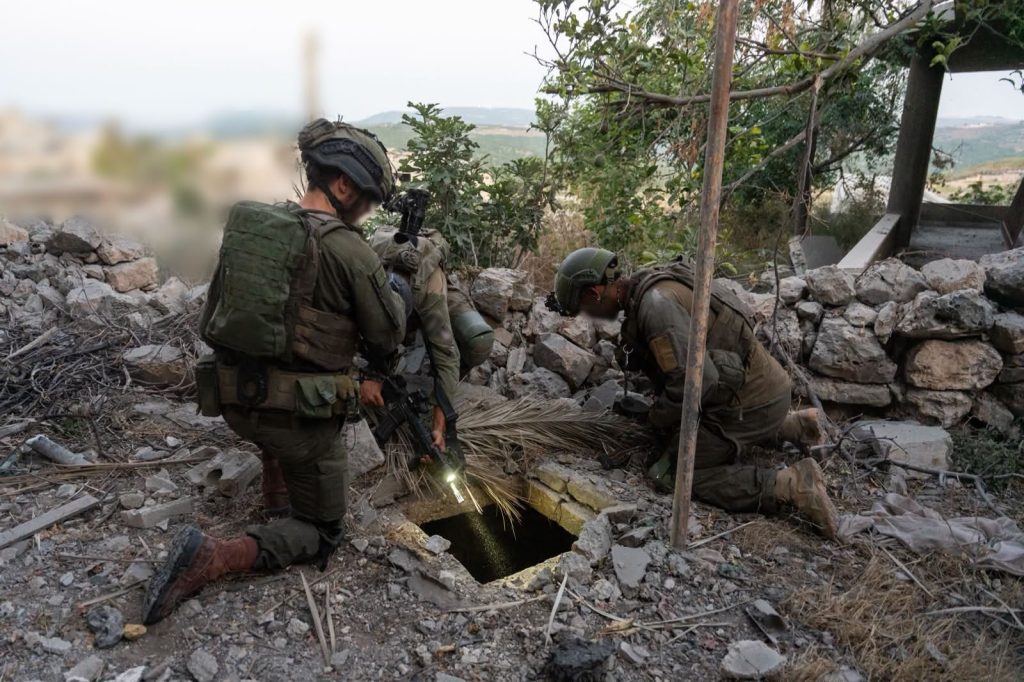
Lebanon: Earlier this week, the IDF confirmed that it had redeployed from the Ali Taher Ridge in southern Lebanon, following the successful demolition of the entire large underground site, built by Hezbollah with Iranian assistance.
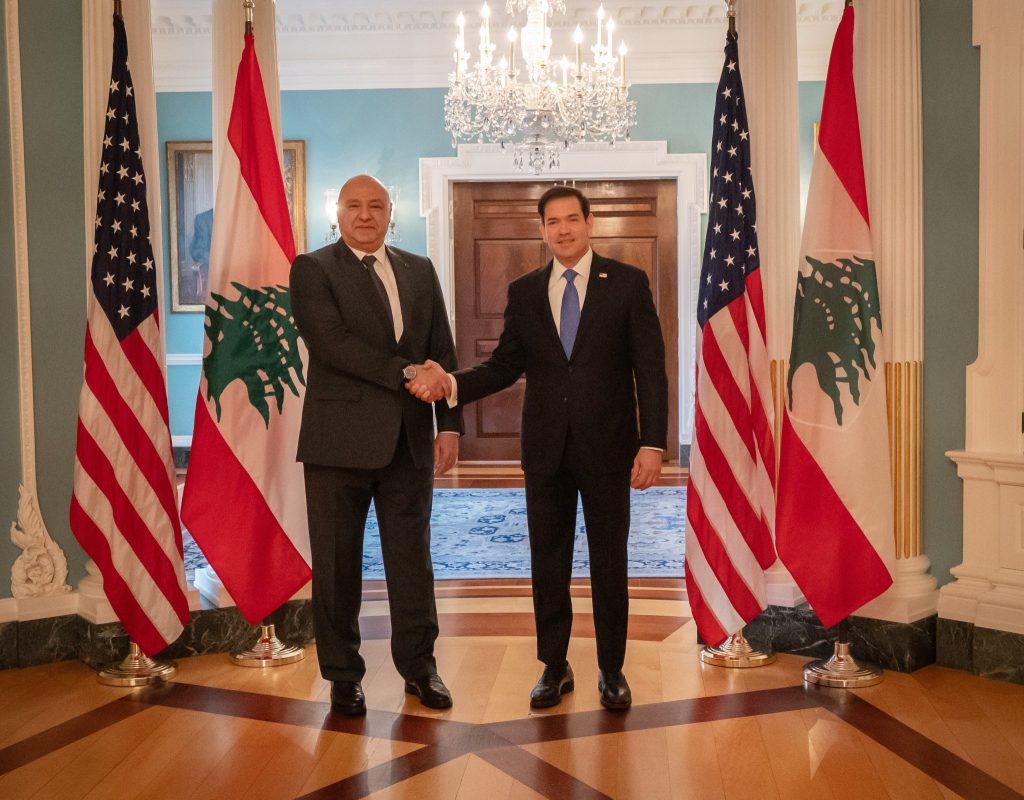
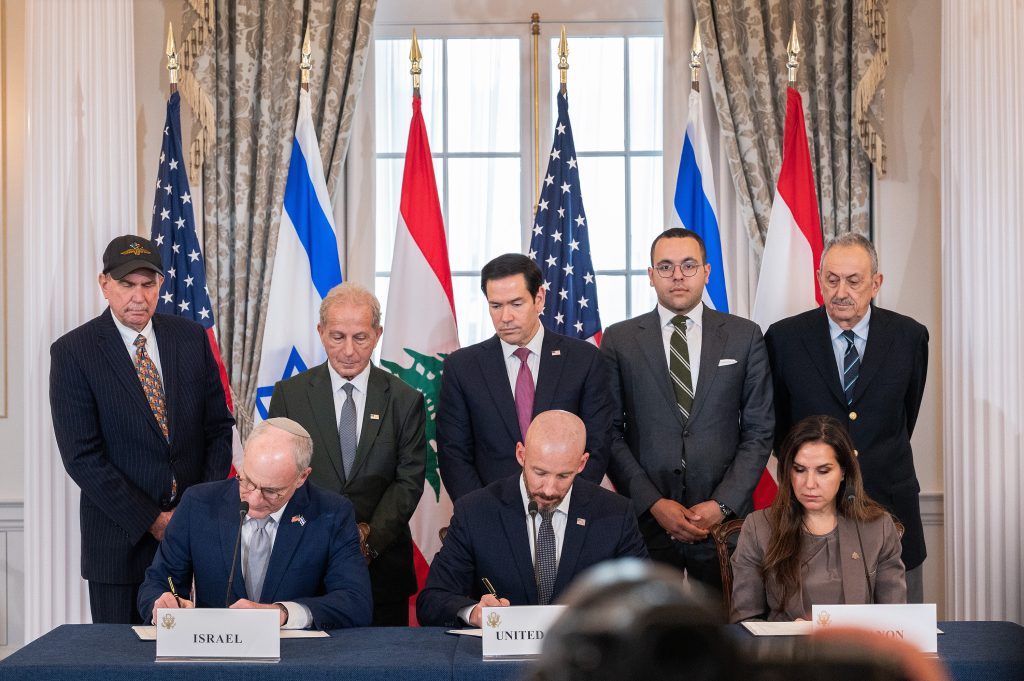
- In Washington, the Israeli ambassador to the US Yehiel Leiter met his Lebanese counterpart Nada Hamadeh Moawad for what all sides later described as a “positive” encounter. Formal talks between the two countries scheduled to take place in Rome in a few weeks have been postponed until after the Israeli election.
- Lebanese President Joseph Aoun is in Paris today for meetings with President Macron and Jordan’s King Abdullah to drum up support for the Lebanese Armed Forces.
- Aoun continues to hesitantly signal a willingness for major diplomatic progress with Israel, if Hezbollah is disarmed and Israel can be induced to withdraw from southern Lebanon. Just before leaving for Paris on Wednesday, he told reporters that such developments “could be a prelude to a later peace agreement, but we cannot jump directly to a peace agreement.”
- Parallel to the “pilot zone” process which has not been seen as a great success by either the Israeli or Lebanese government, this redeployment constitutes a different, as yet unnamed, model of redeployment where first the IDF itself eliminates the Hezbollah presence and only hands the LAF (Lebanese Armed Forces) a cleared territory, rather than depending on the LAF to finish the job itself.