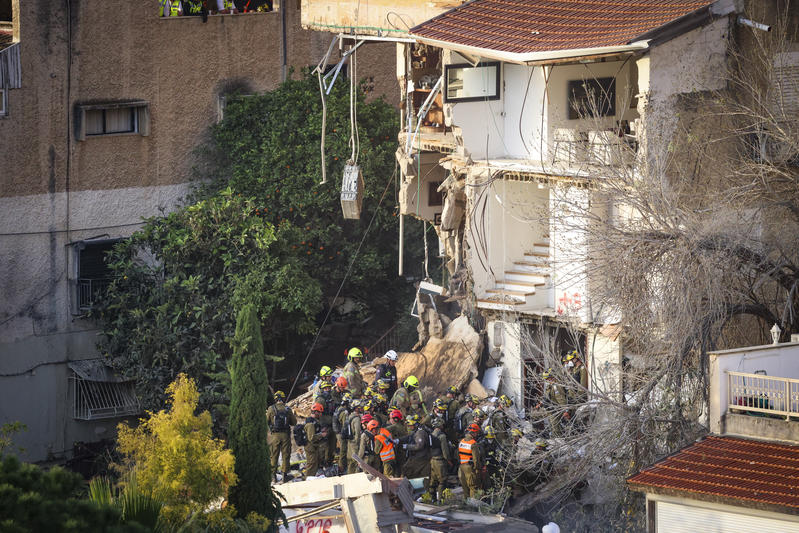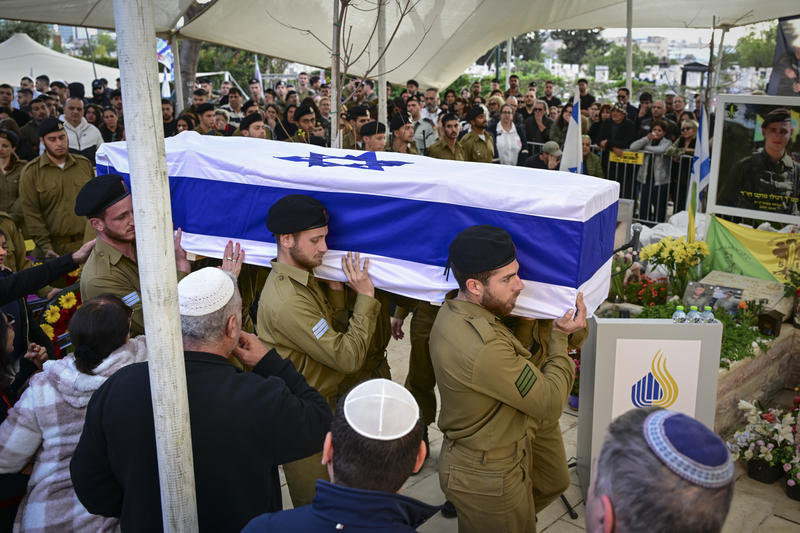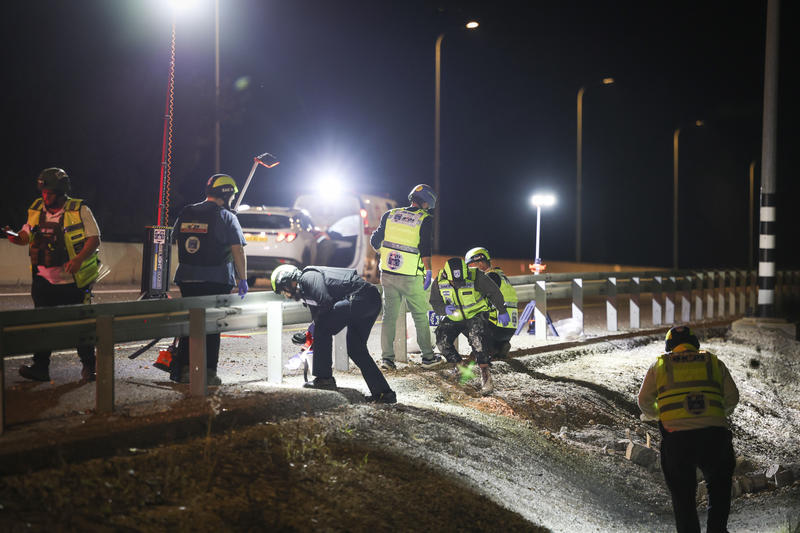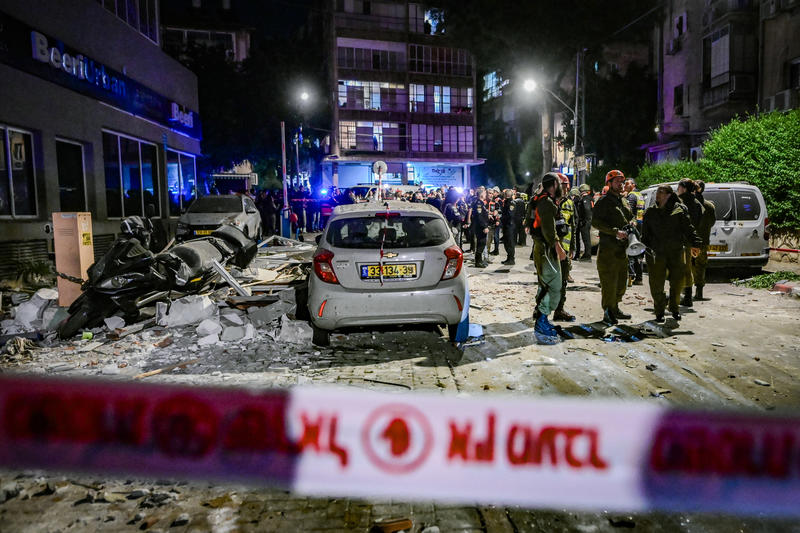
What’s happened: A Hezbollah rocket killed an Israeli woman in northern Israel yesterday. Nuriel Dubin, aged 27, was in her car when a rocket struck the Mahanayim Junction. Her fiancé was injured in the attack. The two had met in the immediate aftermath of the October 7 attack when he was evacuated from his home to a hotel in the Kinneret area where she worked as a teacher.
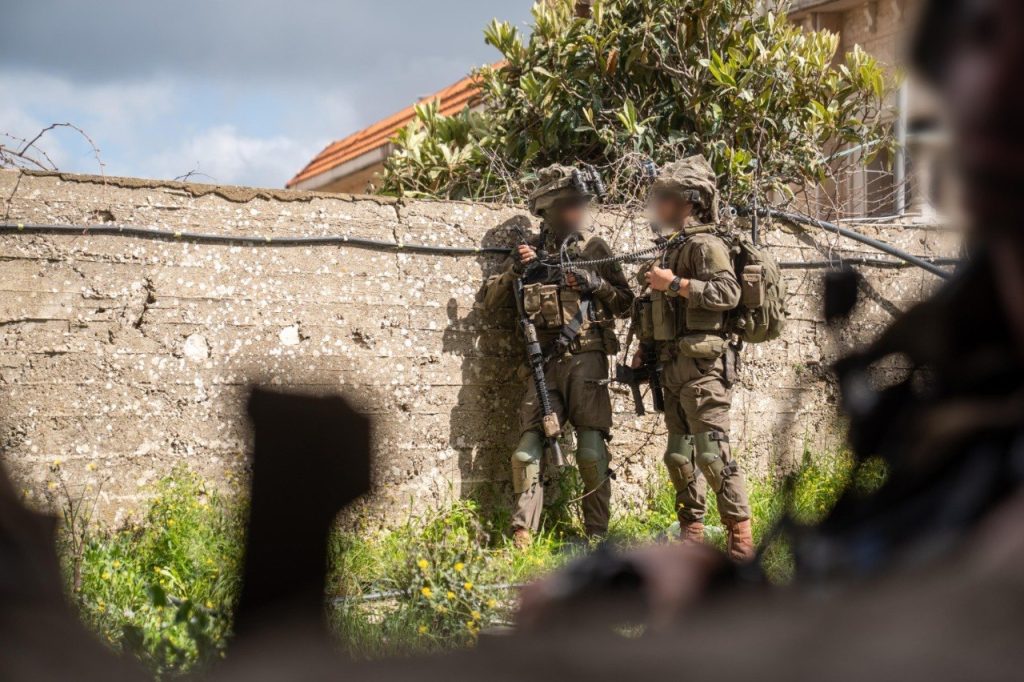
- Since Hezbollah entered the war on March 2, the Iran-backed terrorist group in Lebanon has been launching an average of 150 rockets a day. Some of its barrages have been timed with Iranian missile attacks on Israel’s north as well. Over the same period, according to official Israeli figures, the IDF has killed 600 Hezbollah combatants, including 220 of the group’s elite Radwan Force.
- In the most significant diplomatic development on Israeli northern border, Lebanon has expelled the Iranian ambassador yesterday and withdrawn their own ambassador from Tehran. This a further escalation of tensions between the two countries, following the expulsion of Iranian military personnel last week.
- Following on the dramatic announcement by President Trump the day before to defer planned attacks on Iran’s energy infrastructure, the US yesterday conveyed to Iran a 15-point plan for ending the current war. The text of the plan has not been made public, but according to media reports, it goes far beyond a simple ceasefire and includes details regarding most of the outstanding issues that were being negotiated by the two sides in the weeks prior to the Israeli attacks on Iran in June 2025 and February 2026. These include not just the Iranian nuclear programme, but also the ballistic missile programme and Iran’s support for regional proxies.
- The plan was conveyed through Pakistan, which has emerged as a possible mediator between Iran and the United States, along with Oman, Egypt and Turkey. Notably, there has been no reported mediation role for Qatar, which has found itself on the receiving end of Iranian missile and drone attacks since the current war began.
- President Trump struck an optimistic note regarding the diplomatic process, noting that “we’re talking to the right people,” without revealing who those people were. He alluded cryptically to a significant Iranian concession, without saying what it was. “They gave us a present, and the present arrived today,” Trump said to reporters in the Oval Office. “I’m not going to tell you what that present is, but it was a very significant prize.” Pressed for more details, he would only say that it was “oil- and gas-related.” Other reports during the day indicated that Iran was considering opening the passage through the Straits of Hormuz to non-belligerent countries, something that if implemented would remove a major looming threat to global energy markets.
- With the US threat to attack energy infrastructure off the table until the end of trading this week, oil prices have fallen again to around $90 a barrel on global markets.
- More details were reported today regarding Israel’s air strike on Iran’s Caspian port Bandar Anzali last Wednesday. Satellite images show significant damage to Iran’s naval headquarters and numerous destroyed naval vessels. The IAF hit dozens of targets including warships, a port, a command centre and a shipyard used to repair and maintain vessels. The attack hobbled a smuggling route that was crucial for both Iranian and Russian war efforts and sanctions evasion.
- Meanwhile, the UK has offered to host a security summit about opening the Strait of Hormuz.
Context: The exact text of the American 15-point proposal is unknown.
- However, it is believed to contain some of the following conditions:
- Three main nuclear sites in Iran would be dismantled.
- All enrichment activities in Iran would be banned.
- The ballistic missile programme would be suspended.
- Support for regional proxies would be curbed.
- The Strait of Hormuz would be fully reopened.
- Sanctions related to Iran’s nuclear programme would be lifted. Sanctions connected to human rights abuses would stay in place.
- The United States would provide direct assistance for Iran’s civilian nuclear programme, while also monitoring it.
- It is unclear what the US propose to do with the 450kg of highly enriched uranium (HEU), and whether they will seek to remove it or dilute it.
- The Iranians have also made a list of demands for an agreement with the US. Some of them would be extraordinary gains for Iran even if the war had been characterised by stunning Iranian military successes, which it decidedly has not been. These demands include:
- Turning the Strait of Hormuz into an Iranian-managed passageway where Iran would collect fees, similar to the Suez Canal — though of course, the Suez Canal artificial and located inside Egypt and the Strait of Hormuz in an international waterway.
- Guarantees that neither Israel nor the US could attack Iran again, together with a guarantee that Israel could not attack Lebanon.
- The lifting of all sanctions on Iran, not just those related to the nuclear programme.
- Permitting Iran to keep and develop ballistic missiles with no limitations.
- Israeli officials remain sceptical regarding the prospects of an agreement along the lines of either proposal. To the extent one can be reached, Israel is concerned that the implementation will run along the lines of ceasefires with Hamas and Hezbollah, with the major steps called for in the beginning carried out in full, but with the provisions regarding disarmament dragging on to the point where attention lags, urgency fades, and the threat to renew hostilities in light of violations becomes ineffective.
Looking ahead: In the meantime, US continues to move Marines and airborne forces into the theatre of conflict, raising the possibility of a limited land manoeuvre either on Kharg Island or on shore of the Hormuz Strait. 3,000 troops are reported to have arrived already. 2,200 more Marines are due on Friday.
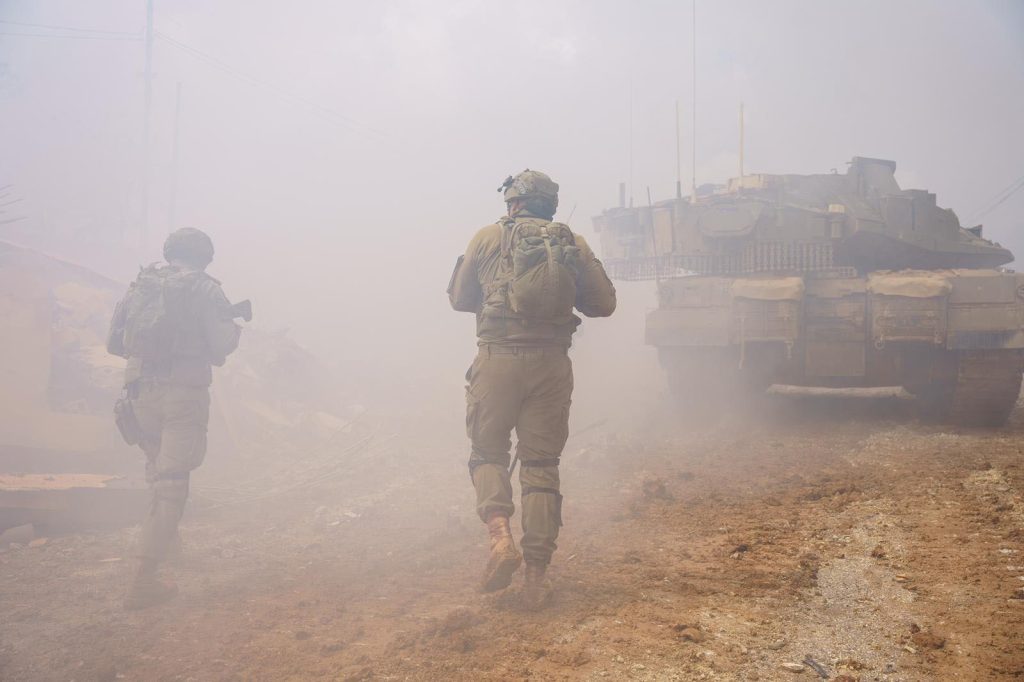
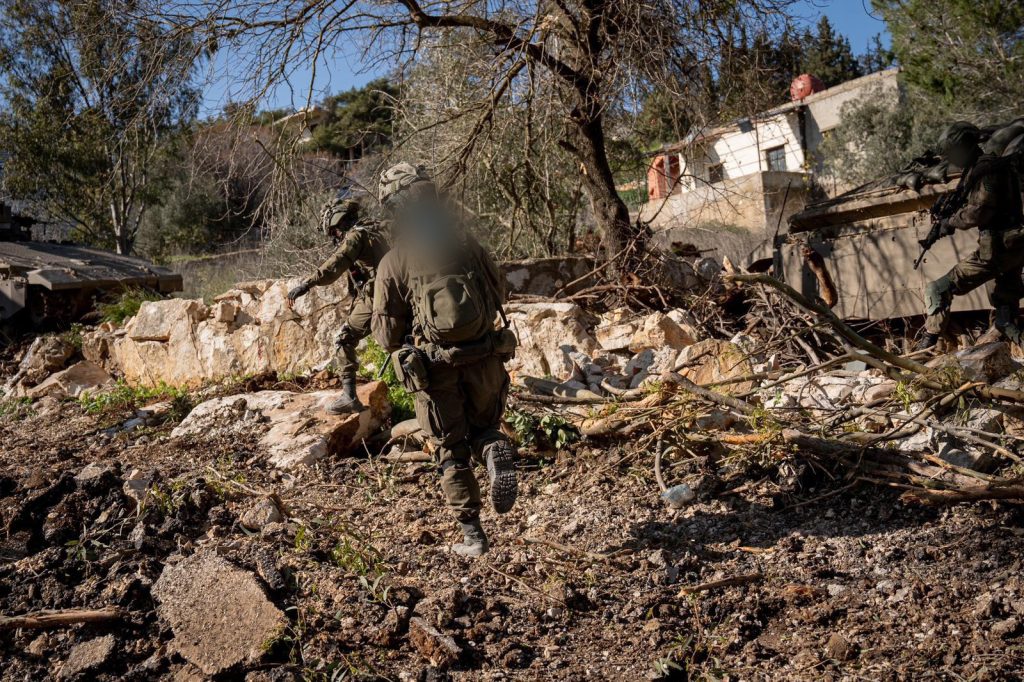
- Even a successful agreement on Iran won’t necessarily end the current fighting in Lebanon where Israel has yet to embark on a large land offensive. Israel destroyed five more bridges of the Litani River over the past 48 hours, and according to Defence Minister Katz, “the IDF will control the remaining bridges and the security zone up to the Litani.”