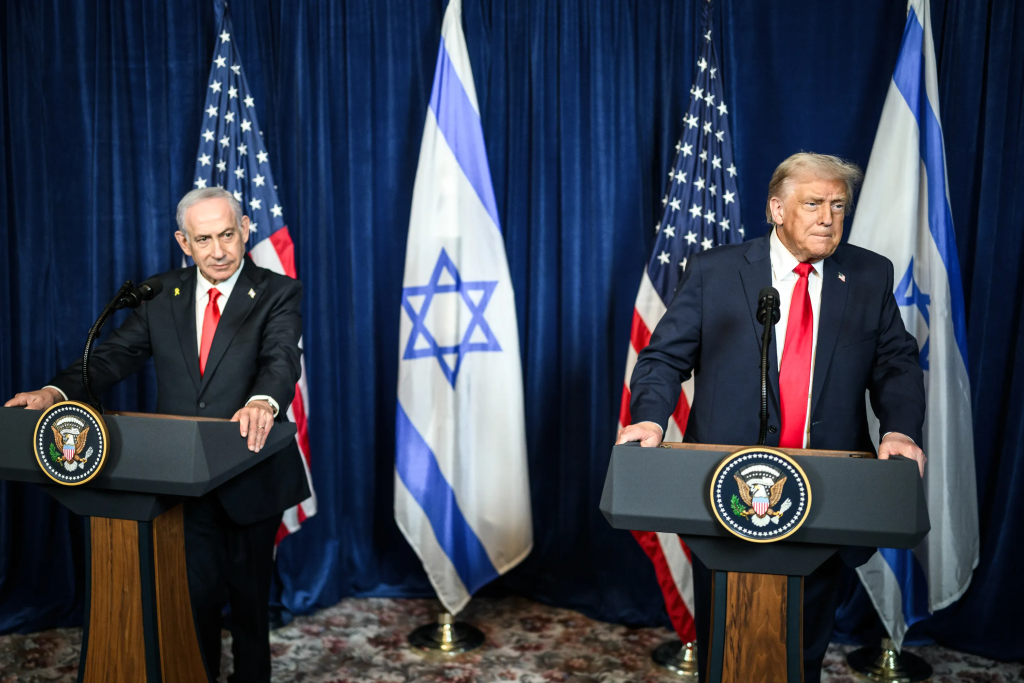
What’s happened: At the start of Sunday’s weekly cabinet meeting, Prime Minister Netanyahu expressed support for the Iranian people.
- Netanyahu told his ministers, “we identify with the struggle of the Iranian people, with their aspirations for freedom, liberty, and justice. It is very possible that we are standing at the moment when the Iranian people are taking their fate into their own hands.”
- Similarly, President Trump has also expressed support for the protesters in Iran and warned that if Iran, “starts killing people like they have in the past, I think they’re gonna get hit very hard by the United States.”
- According to the New York Times, senior Iranian officials acknowledged that the Islamic Republic has entered “survival mode.”
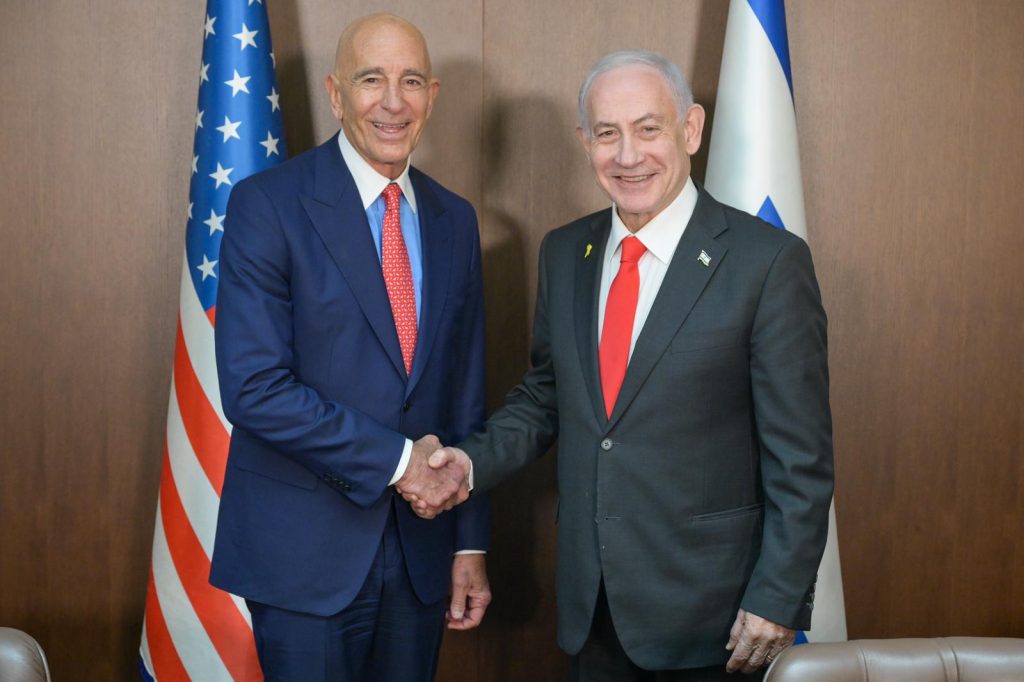
- During the cabinet meeting, Netanyahu also related to the Iranian issue that came up at last week’s meeting with President Trump saying, “We reiterated our joint position of zero enrichment on one hand, and the need to remove the 400 kilograms of enriched material from Iran and oversee the sites with tight and genuine supervision.”
- Netanyahu also expressed support for the US “determined decision and action” in Venezuela, “to restore freedom and justice to that part of the world.”
Context: The Iranian issue was one of the top priorities for Netanyahu when he met Trump last week. Overall, the top objective for Netanyahu was to consolidate on the military achievements across several fronts including Iran, Gaza, Lebanon and Syria. The common thread was to reaffirm US support that if necessary Israel will act to prevent Iran and their proxies from rearming and to ensure Israeli military freedom of action to counter any developing threats.
- Although details of the private meeting between Trump and Netanyahu remain vague, Netanyahu also told ministers on Sunday that Trump was “unequivocal” on Gaza.
- Netanyahu said, “He repeated this both in our private conversations and to public opinion at the press conference there. He said it: ‘The essential condition is that Hamas disarms.’ There is no other option. This is an essential and fundamental condition for the implementation of his 20-point plan. He made no concessions and showed no flexibility on this issue.”
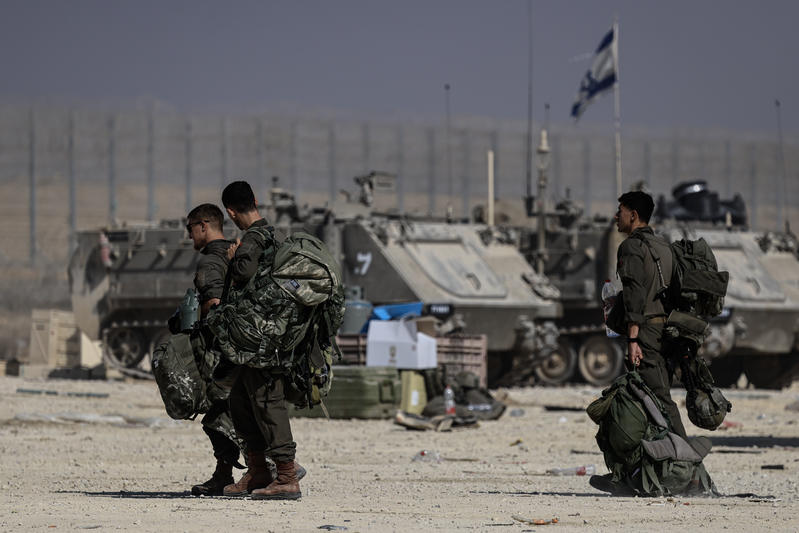
- Without continued Israeli action Israeli officials are concerned that the achievements of the last year will be eroded. To ensure the achievements are consolidated Israel is banking on continued close coordination with US defence officials.
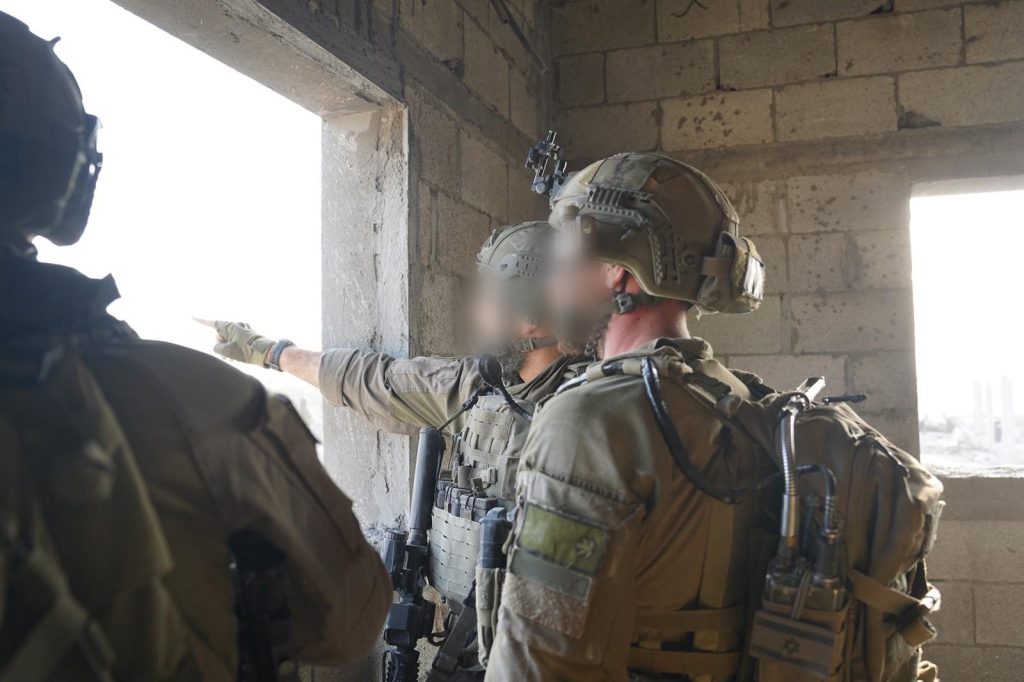
- In the wake of the October 7th attack Israel is pursuing a new security doctrine, that includes forward and pre-emptive defence. It is further understood Israel’s new defence posture includes:
- Disarming terrorist armies.
- Disarming and destroying military infrastructure above and below ground in a way that will make it impossible to renew the fighting, or to carry out surprise attacks on Israel’s borders and civilian communities adjacent to them.
- Preventing terror groups from restoring their military capabilities.
- Establishing effective international enforcement mechanisms that will ensure and enforce precise implementation of the disarmament.
- Secure US support to operate independently, without having to coordinate with the US every time Israel detects violations of the arrangements.
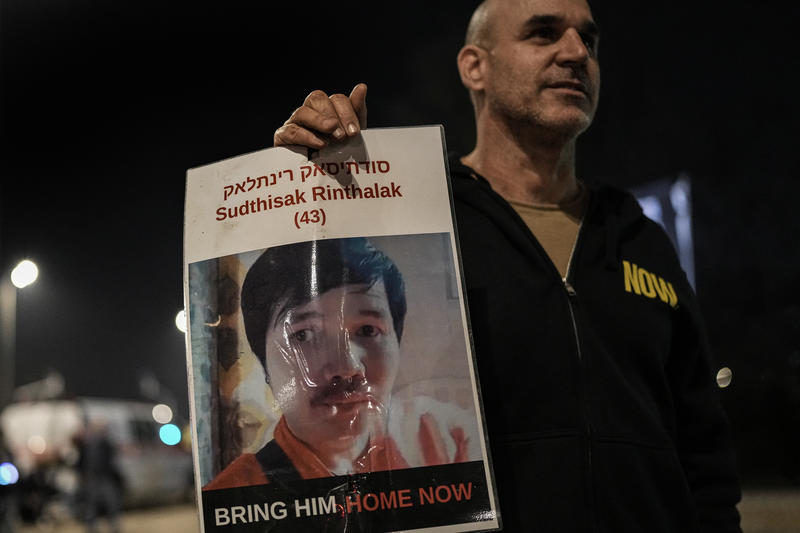
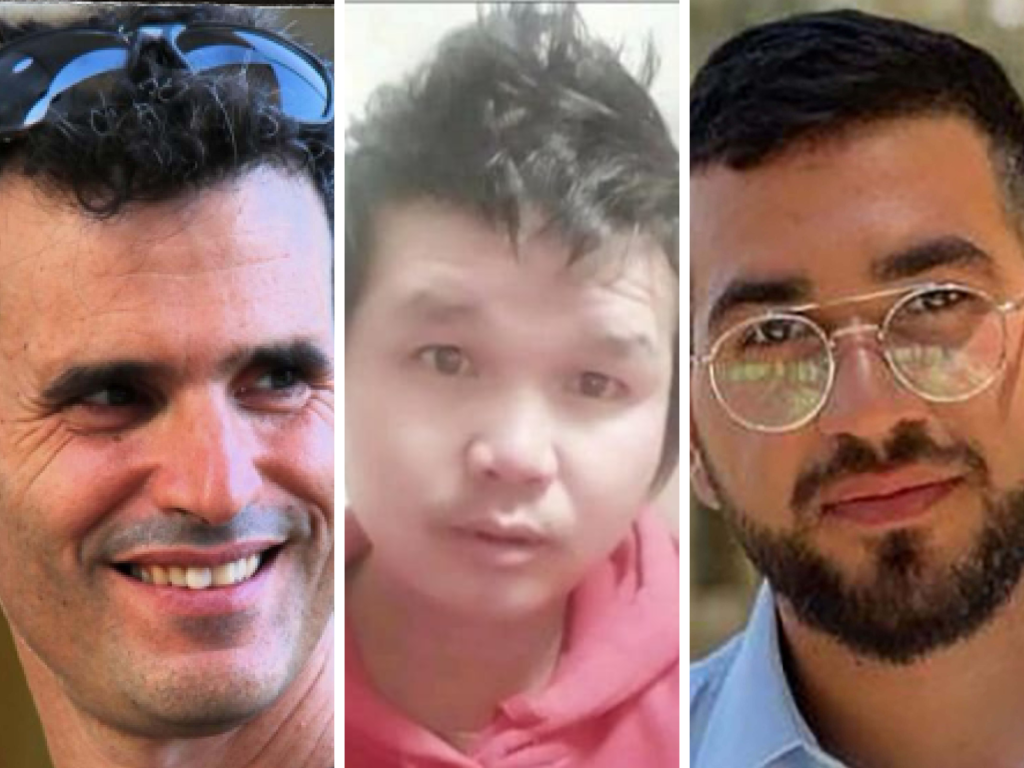
- Specifically on Gaza, Netanyahu reiterated the Israeli position to secure the return of the body of Ran Gvili, the last remaining hostage who has not been buried in Israel before transitioning to the second phase.
- When it comes to disarming Hamas the priorities include decommissioning RPG launchers, other rockets, missiles, mortars, anti-tank weapons, and heavy drones.
- Thirdly, the destruction of the remaining underground infrastructure, especially attack tunnels, as well as command and control centres and weapons manufacturing sites. Israel is also demanding a complete ban on military training in the Strip.
- At this point Israel remains insistent on remaining on the Yellow Line to ensure the protection of communities on the Gaza periphery.
- Similarly in the north, Israel is demanding that Hezbollah be fully stripped of its heavy and long-range arms, including rockets and missiles and drones
- Regarding Iran, Israel will support an international agreement that removes Iran’s ability to develop its military nuclear programme. In addition, Netanyahu seems to have secured support from Trump that also recognises Iran’s efforts to rebuild its array of conventional military threat of ballistic missiles as another red line.
- It appears that Trump was accommodating to most of Israel’s demands. The main area of disagreement appears to be the role of Turkey, both in Gaza and their ambitions to extend their sphere of influence in Syria.
- According to Nahum Barnea writing in Yediot Ahronot, “There will probably not be Turkish soldiers in the international force whose establishment is unlikely, but Turkish contractors will be included in the [Gaza reconstruction] work, and F-35 jets will be sold to the Turkish air force. Netanyahu was unable to persuade Trump that Erdogan is bad; Erdogan was unable to persuade Trump that Netanyahu is bad. Trump enjoys both of their displays of sycophancy.”
- On Venezuela, Israel has been concerned for several years of their alliance and connection to both Iran and Hezbollah.
Looking ahead: Later today Israeli – Syrian negotiations over a security agreements in southern Syria are expected to be resumed in Paris. The talks have been on hold for the last two months.
- Israeli defence establishment remains on high alert over concern that the Iranian regime could try and divert domestic attention by launching an attack on Israel.
- On Sunday, Iran International, a Persian language opposition channel broadcasting from London, reported that the Islamic Revolutionary Guards Corps (IRGC) has conducting further missile launching exercises. The exercise includes tests of air defence systems and is being conducted in several cities including Tehran and Shiraz.
- The Israeli assessment remains that the Iran remains exposed, and that their air defences have not been reconstituted since the 12 Day War last summer. Nevertheless, there is concern that if the regime fears it will be deposed then an attack on Israel could be its only move left.