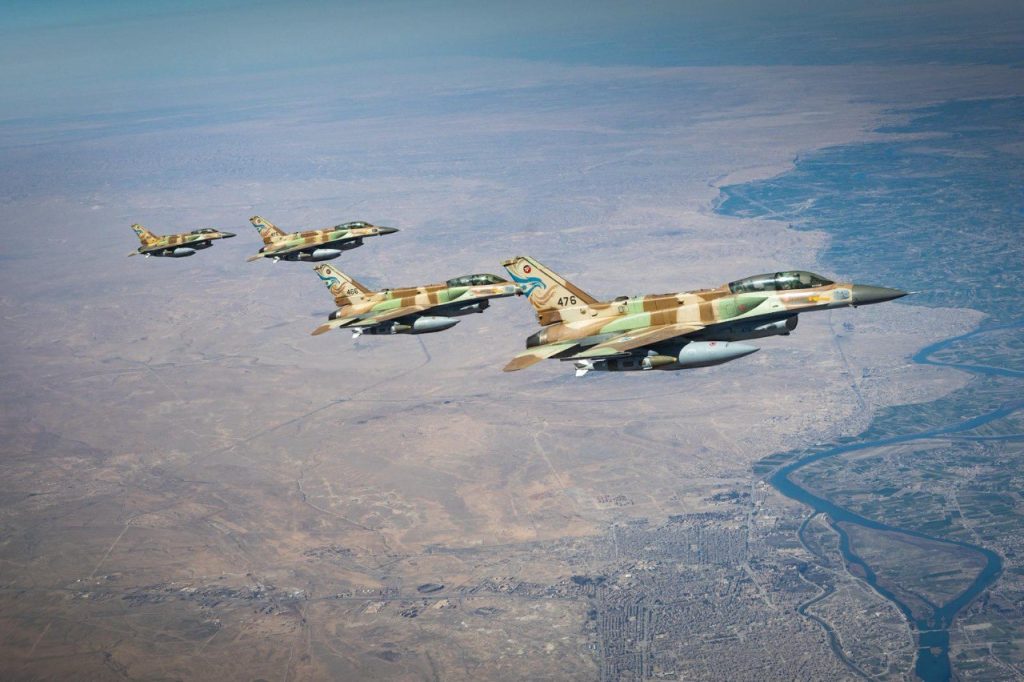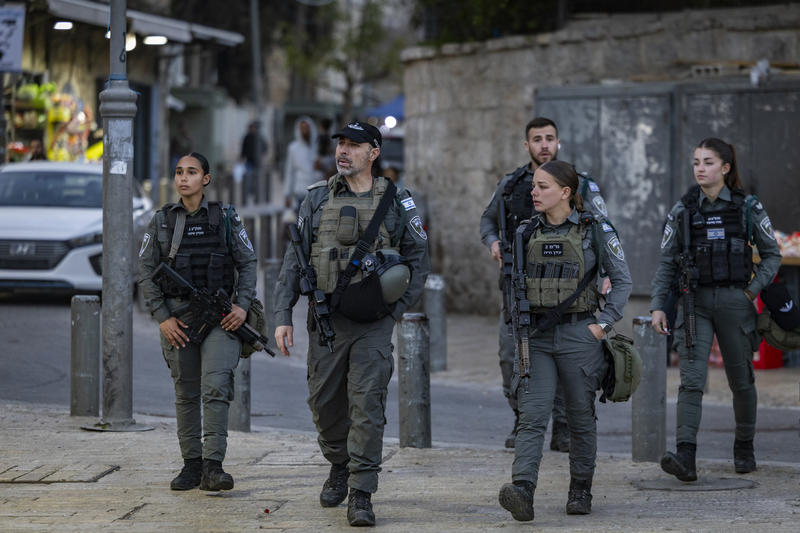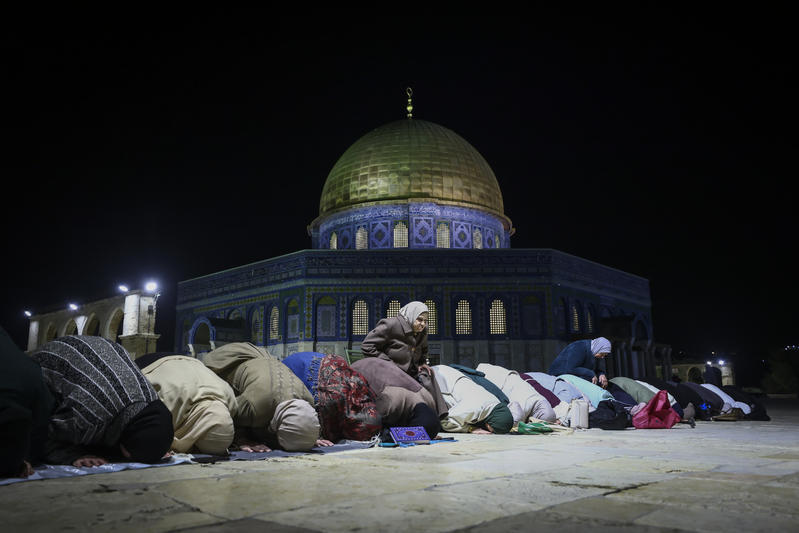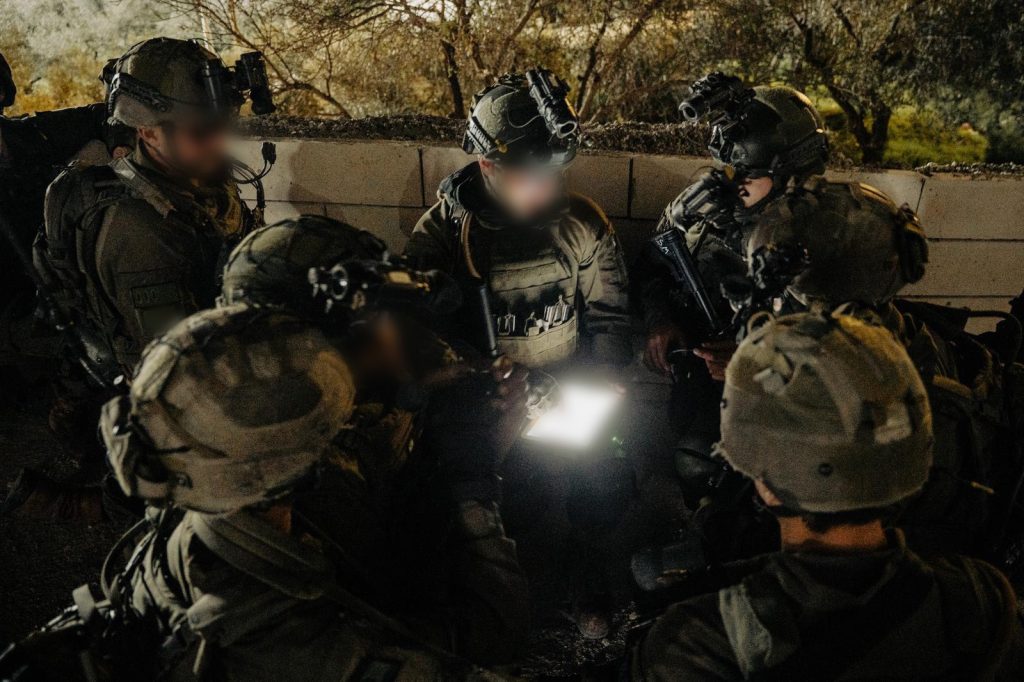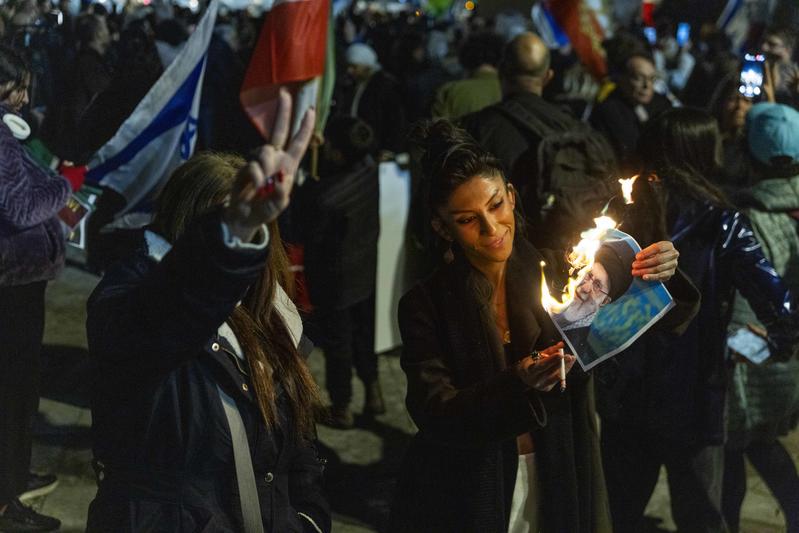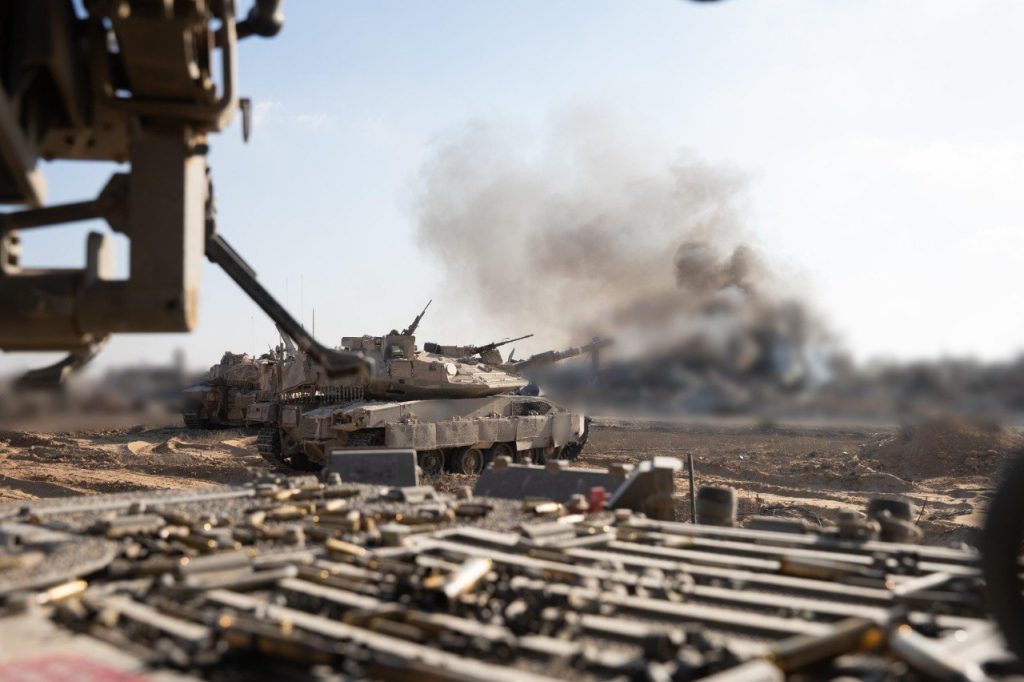
What’s happened: The IDF and the US armed forces have kept up relentless strikes against the Iranian regime and military targets.
- In the last 24 hours, more than 140 targets of the Iranian regime were bombed using more than 900 munitions. IDF Spokesperson Defrin said last night that the air force headquarters of the Islamic Revolutionary Guard Corps had been destroyed. The headquarters had been used to fire missiles and drones at the Israeli home front and at the Persian Gulf states.
- On Sunday, the IDF eliminated Abu al-Qassem Baba’iyan in Tehran. Baba’iyan was only recently appointed as the Head of the Military Office of the Supreme Leader and the Chief of Staff of the emergency command of Headquarters. Baba’iyan was appointed after his predecessor, Ali Shadmani, was eliminated during Operation Rising Lion in June 2024.
- Israel also targeted Iranian fuel storage facilities in Tehran on Saturday. This was the first reported attacks on Iran’s oil infrastructure since the start of the war. The IDF said the fuel was used for their missiles programme and to support their military and was therefore a legitimate target.
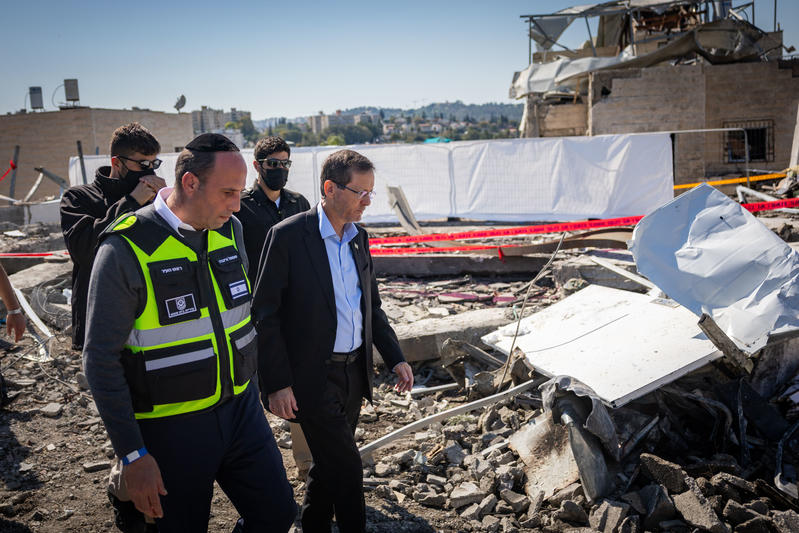
- Iran meanwhile continues to fire missiles at Israel and overnight, air raid sirens were triggered in the centre of the country, the south, and the coastal region. Some of the missiles were intercepted and the others fell in uninhabited areas. There are reports this morning of six missiles hitting Tel Aviv area with two reportedly killed. Meanwhile, communities in the north remain under frequent rocket and drone attacks from Hezbollah.
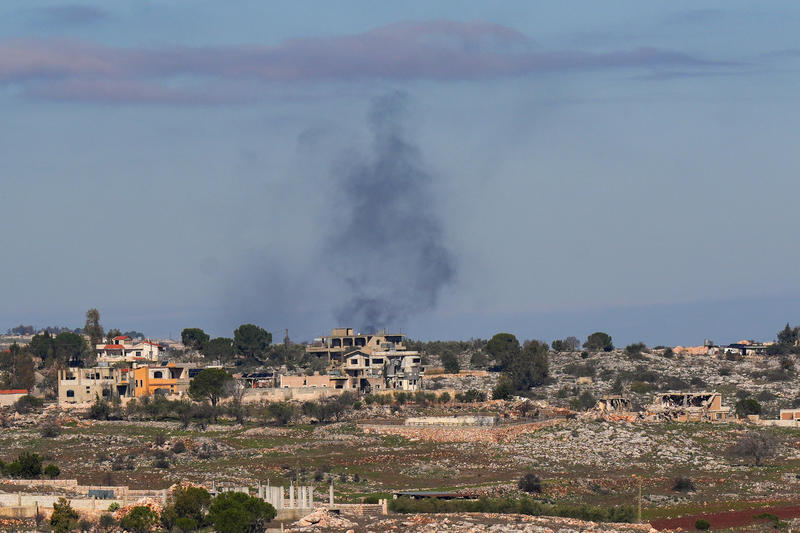
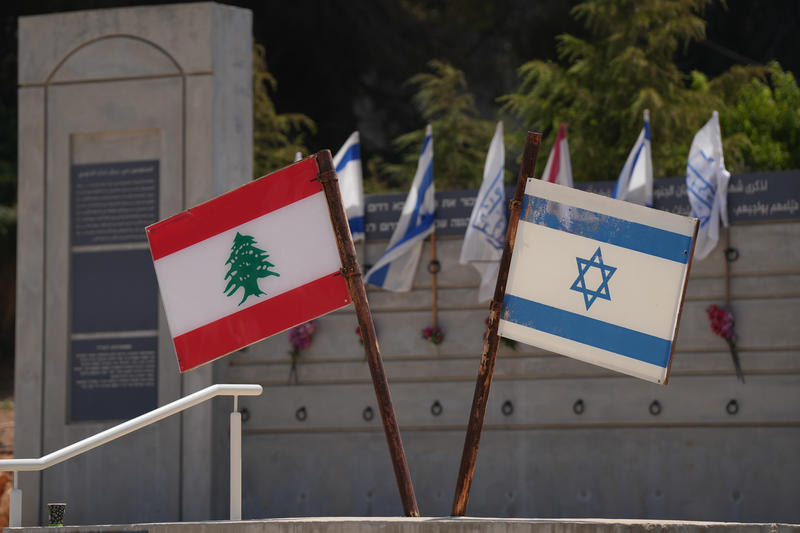
- The IDF has also continued its offensive again Hezbollah targets. This morning it carried out several waves of strikes on Hezbollah targets in Beirut’s Dahiya neighbourhood. Lebanese media also reported an Israeli strike in southern Lebanon.
- Also over the weekend, the Israeli Navy conducted a precision strike that eliminated five senior commanders in the IRGC Quds Force’s Lebanon Corps, while they were meeting at a hotel in Beirut.
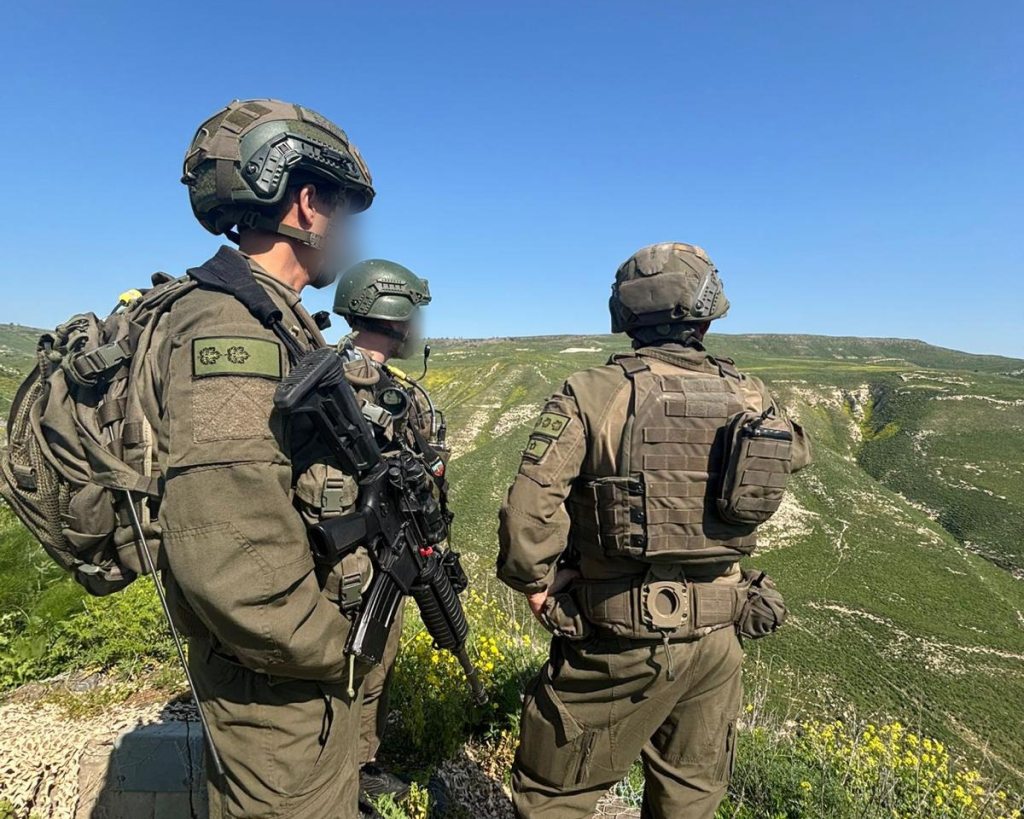
- Two IDF soldiers were killed on the Lebanese border yesterday. Sgt. Maj. Maher Khatar, 38, was laid to rest last night in Majdal Shams. The name of the second soldier has not yet been released. Prime Minister Netanyahu eulogised Maher as, “a brave fighter from the Druze community, [who] served as an example and inspiration to the youth of Majdal Shams who enlist in the ranks of the IDF, a growing trend in recent years that serves as an expression of the eternal covenant between us.”
- Over the past week, in Lebanon, the IDF revealed that it, “struck over 600 terror targets across Lebanon from the air, sea, and ground, with some 820 munitions. During the strikes, more than 190 terrorists were eliminated, including the terrorist Abu Hamza Rami, the Commander of Islamic Jihad in Lebanon with the equivalent rank of Major General, two commanders at the equivalent rank of colonel, and three battalion commanders in the terrorist organisation. In addition, 27 waves of strikes were conducted in the Beirut region, including five in the Dahiya area.”
- Iranian attacks on the Gulf states continued on Sunday, despite President Pezeshkian’s pledge on Saturday to halt them. This may suggest a rift between the political leadership and the IRGC, which is responsible for most military operations. The attacks are now targeting oil refineries and desalination plants that are vital to the economy and daily life in the Gulf states.
Context: Ten days into the campaign, the US and Israel continue their division of labour with systematic strikes on Iran’s military and industrial capabilities.
- In the context of the war’s second phase (following the first phase of decapitation and establishing air superiority across most of Iran), the Israeli and US Air Forces are expanding the scope of their operations to increase the damage on Iran’s military, industrial and technological infrastructure. This includes strikes on IRGC headquarters, IRGC Air Force command centres, Basij and internal security headquarters.
- An IDF general is quoted in Yediot Ahronot saying, “We can’t miss this opportunity. We mustn’t take our foot off the gas pedal until this regime collapses—neither we nor the United States. This is an opportunity that we won’t get again.”
- From Israel’s perspective, one of the primary objectives remains the elimination of Iran’s ballistic missile arsenal. According to military estimates, Iran began the war with approximately 460 missile launchers and now has only about 150 left. Military officials describe creating ‘bottlenecks’ in the Iranian ability to launch heavy barrages, but they do retain some capabilities. Overall Iran has so far launched around 250 ballistic missiles towards Israel. Israel had anticipated around 150 a day.
- 13 people have been killed in Israel as a result of the Iranian strikes, with several more severely injured, including the fatalities from this morning.
- Overall, Iran has so far launched a total of around 830 ballistic missiles and over 1,300 drones across the region. On the first day, Iran launched around 350 ballistic missiles and nearly 300 drones. Over the weekend, this had fallen to roughly 15–30 missiles a day.
- The apparent appointment of Mojtaba Khamenei, the son of the late Supreme Leader is being interpreted as a sign of ongoing Iranian belligerence. Israel’s Defence Minister Katz has stated that any successor would be considered a target. A more conciliatory candidate could have posed more of a dilemma, particularly for some US officials who have expressed a desire to reach a surrender agreement with a more pragmatic leadership.
Looking ahead: At present, the IDF is preparing for a war that could last several weeks.
- Israeli military leaders recognise that the war will last as long as President Trump decides. Trump has suggested a military campaign would last about four weeks.
- Israeli officials are conscious that as successful as their military action may be, it will ultimately also require action by the Iranian public in order to topple the regime.
- In the US, there is speculation that Trump is considering sending in special forces in order to seize the stockpile of Iran’s approximate 450 kg of enriched uranium that remained following the June 2025 war.