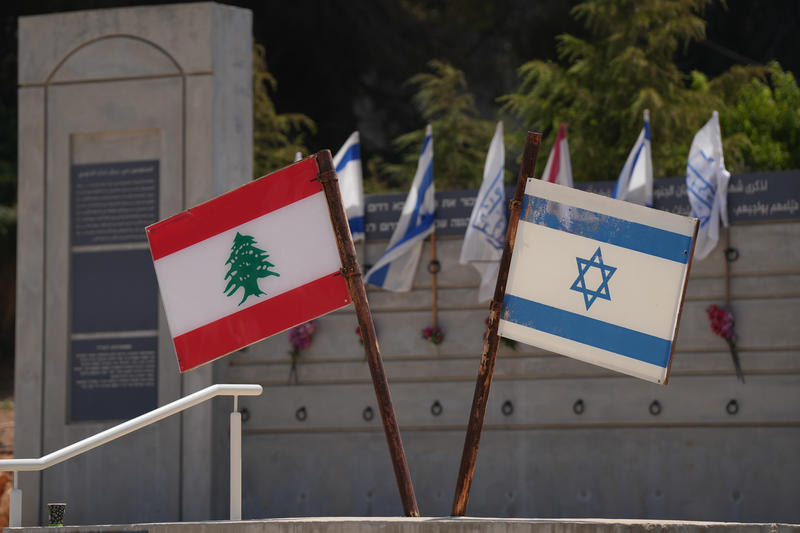
What’s happened: Israel affirms it will continue to act against threats.
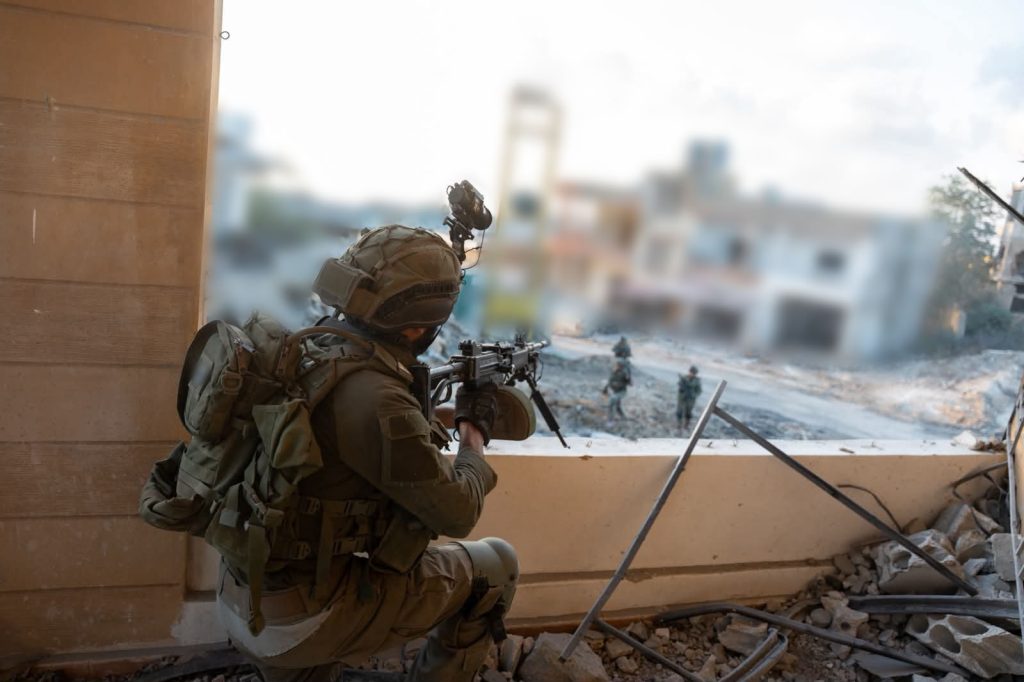
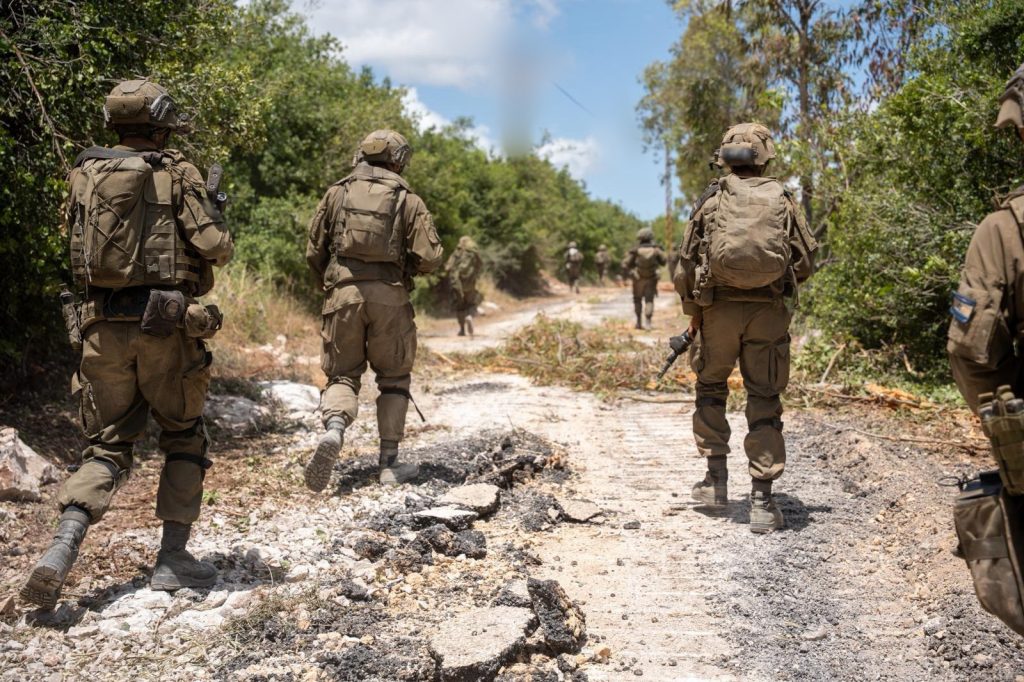
- On Monday evening Prime Minister Netanyahu along with his Minister of Defence and the IDF Chief of Staff issued a joint statement declaring, “The IDF will continue to act with determination in order to neutralise threats against our soldiers and our citizens, demolish terrorist infrastructure, and maintain the security zone in southern Lebanon.”
- The comments followed reports from the talks in Switzerland between the US and Iran that Israel would not be party to a new de-confliction mechanism in Lebanon. Instead, the US would serve as Israel’s representative, and Iran would represent Hezbollah, mediated by Pakistan and Qatar.
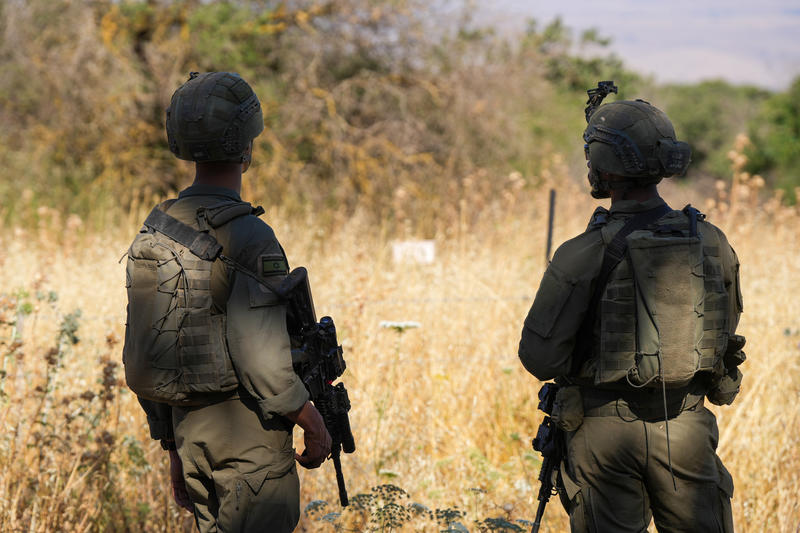
- Against the backdrop of those talks, Prime Minister Netanyahu stated earlier in the day that his directive to the IDF were clear and had not changed, adding that “Our fighters in southern Lebanon have full freedom of action to thwart any direct or developing threat to them or to the residents of the North. The IDF has no restrictions on this matter.”
- While the IDF maintains full freedom of action inside the yellow line security zone, and can act to remove immediate threats, the US has placed restrictions to act elsewhere, specifically Beirut, but also elsewhere in Lebanon. A senior Israeli official told Channel 13 News, “The message we’ve gotten from the Americans in the past few weeks is clear: ‘You had credit to operate without restrictions, and that’s over.’”
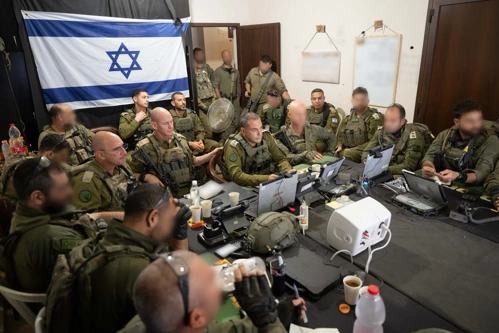
- On Monday evening, IDF Chief of Staff Zamir met in Gaza with senior IDF officers to discuss developments in the Strip and Hamas’s ongoing military buildup. The recommendation that was presented at the meeting was to begin an operation in the Gaza Strip to disarm Hamas—and to leave the intensity of this operation to the government’s discretion. However, the concern and assessment aired at the meeting was that President Trump would prevent a major operation and would agree to be flexible with Hamas on the issue of disarmament.
- The IDF also announced that over the weekend security forces eliminated Sabai Zaher Abd al-Hamid Abu Hasna, a Nukhba terrorist in Hamas’ military wing. According to the IDF, “Throughout the war, Abu Hasna planted explosive devices and recently attempted to advance terrorist attacks targeting IDF troops operating in the area. Abu Hasna infiltrated Israeli territory during the October 7th massacre and took part in holding Omer Shem Tov hostage in Hamas captivity.”
- Abu Hasna was eliminated alongside Ahmed Samir Muhammad Washah, who the IDF say “simultaneously served as a photographer for the Al Jazeera network and as a sniper operative for Hamas.”
- In a separate strike last week, the IDF eliminated two more operatives in the military wings of the Hamas and Palestinian Islamic Jihad (PIJ). According to the IDF, they operated within a Hamas-run financial network responsible for transferring funds into Gaza. As a result, they “facilitated the transfer of more than half a billion NIS (~£126 million) to Hamas’ military wing by operating a network of dozens of couriers and money exchangers in Turkey and the Gaza Strip. With these funds, Hamas has continued, particularly in recent months, to pay salaries to its terrorists and finance terror attacks against IDF troops and the civilians of the State of Israel, in violation of the ceasefire agreement.”
Context: Israel faces a challenging balancing act maintaining its freedom of operation in both Lebanon and Gaza, as well as how they maintain close coordination with the US.
- Despite these latest IDF operations (described above) it is also understood that the Trump administration recently blocked other planned Israeli military operations in Gaza. The operation was discussed by senior Israeli officials, but the Americans were reportedly unimpressed and asked Israel not to pursue it at the current juncture in time.
- There is ongoing concern that not enough pressure is being brought to bear by the US and their international partners to force Hamas into fulfilling its commitment to disarm. Two weeks ago, a delegation headed by Khalil al-Hayya travelled to Egypt to begin talks about the second stage of the Trump peace plan and Hamas’s disarmament. Hamas officials argued that they could not comply because of Israel’s ongoing targeted attack and instead would only agree to disarm after a Palestinian state was established.
- In lieu of any progress on disarmament, Israel is expanding its control of the Strip, now holding close to 70 per cent of the enclave. Despite the lack of progress the US are aiming to begin reconstruction in parts of Gaza that are under IDF control.
- One of the current agenda items is where to base the technocratic National Committee for the Administration of Gaza. Israel is insisting that it be built near the yellow line so as to keep the NCAG out of Hamas’s control, but the Palestinian Authority has demanded that the structure be built deep inside Gaza territory. Israeli officials are worried that acceding to this demand will have a negative impact on disarmament, and on the reconstruction and future administration of the Gaza Strip, producing a situation in which Hamas is able to perpetuate its rule under the auspice of the NCAG.
- Meanwhile Hamas remains armed and has continued to recruit and train operatives as well as preparing for future military operations against the IDF in Gaza.
- Another concern is the amount of aid entering into Gaza now exceeds demand. Hamas is able to control the supply and stockpiling goods and selling the aid for profit.
- Last week secret documents that were discovered in Gaza reveal that just before the October 7 assault, Hamas’s leadership discussed the need to prevent at any cost the steps being taken to normalise relations between Israel and Saudi Arabia. Two weeks before the massacre, Yahya Sinwar fiercely attacked Saudi Crown Prince Mohammad bin Salman and – just a few days before October 7 – said that there was no choice but to take extraordinary measures to generate a strategic reversal. The documents include minutes of a meeting in Tehran between Iranian officials and a Hamas delegation.
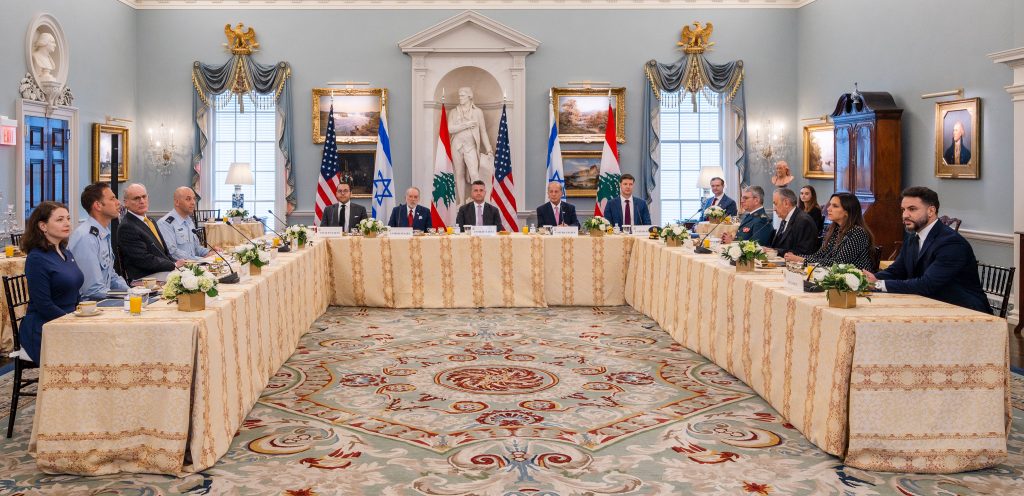
Looking ahead: The latest round of direct talks between Israel and Lebanon are scheduled to begin later today in Washington. The parties are expected to discuss reaching an agreement about an initial IDF withdrawal from southern Lebanon.
- Israel is thought to have drafted plans to resume fighting Hamas in the Gaza Strip, but will presumably seek to coordinate with the US first.